
In this article we cover:
- What the five most common UK planning mistakes are
- Why they matter
- Real life examples of what these mistakes look like in practice
- How to avoid them
Submitting a planning application can feel daunting, whether you’re building your dream home from scratch or extending the one you already love. While every project is unique, many delays and refusals stem from the same avoidable mistakes.
A planning refusal doesn’t just cost money, it costs time, momentum and often enthusiasm. The good news is that most common mistakes are avoidable with the right preparation and advice.
If your plans are complete, follow local policy, consider your neighbours, include the right documents and are professionally prepared, you will have a much better chance of success. You are still rolling a dice of course, just one with fewer sides. So, here are five of the most common planning application errors I see in my advisory planning practice and, more importantly, how to avoid them.
1. Submitting incomplete or inaccurate plans
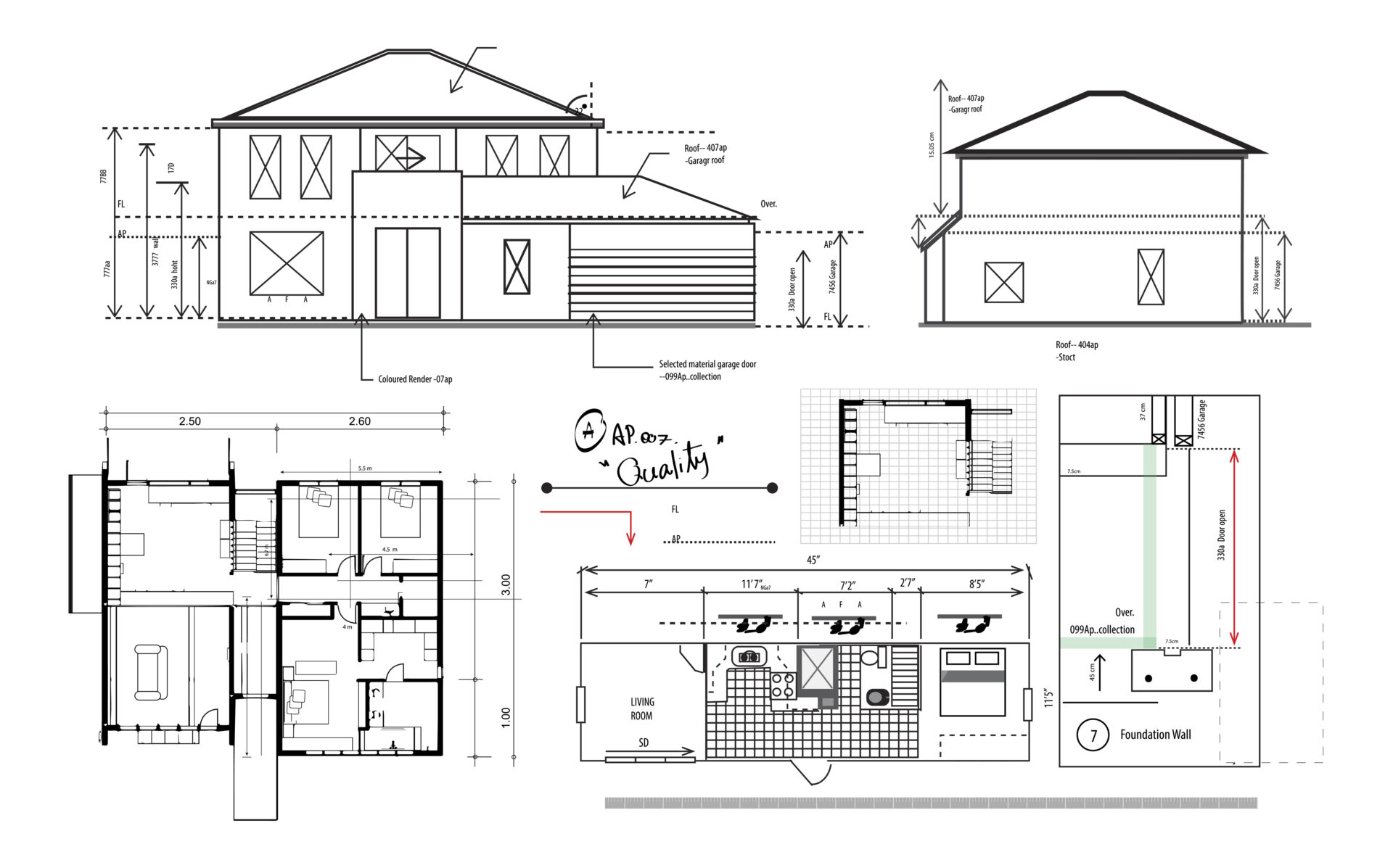
One of the most frequent (and frustrating) issues is submitting drawings that are missing key information. This might include absent block plans, inconsistent elevations or missing elevations (even where no changes take place on them). Equally missing scale bars or paper sizes will delay your submission.
Why it matters: If your application isn’t ‘valid’, the Council won’t pass it to a case officer for assessment. You’ll lose valuable time before the process has even started.
Real-life example: A listed building owner submitted drawings prepared by him without a measured survey. During validation, the council flagged inconsistencies which stemmed from most of the walls not being the same thickness and perfectly square. The application was delayed by six weeks while a proper laser survey was undertaken.
How to avoid it:
- Make sure drawings are accurate, scaled and consistent. Don’t assume everything is at a right angle and that all walls are the same thickness, especially on older properties.
- Include all required documents (site location plan, block plan, existing and proposed drawings, forms, ownership certificates).
- Speak to your planning consultant about instructing a professional measured survey before costly design work begins.
2. Ignoring local planning policies
Every local authority has its own Local Plan, design guides and supplementary policies. What may be acceptable in one area could readily be refused in another.
Why it matters: According to paragraph 15 of the UK government’s National Planning Policy Framework (NPPF), planning decisions are meant to be policy-led. If your proposal conflicts with adopted policies (it could have to do with the design, scale, overlooking or sustainability) it’s far more likely to be refused. That said around two thirds of Local Plans are outdated and so the policies will have eroded weight.
Real-life example: A self-builder was refused planning permission in Wiltshire for a new dwelling where the Local Plan was considered to be up to date. He approached me shortly after and my advice was not to rush to an appeal but rather wait a few months until Labours’ new housing targets came into effect. Overnight this dramatically changed the policy context of the proposals, and a resubmission was approved five months later. Planning can be highly time sensitive.
How to avoid it:
- Review your council’s Local Plan and design guidance early.
- Check if your site is within a Conservation Area, Green Belt, Area of Natural Beauty (AONB) or subject to specific constraints.
- Take professional advice as early as possible

3. Underestimating the importance of neighbour impact
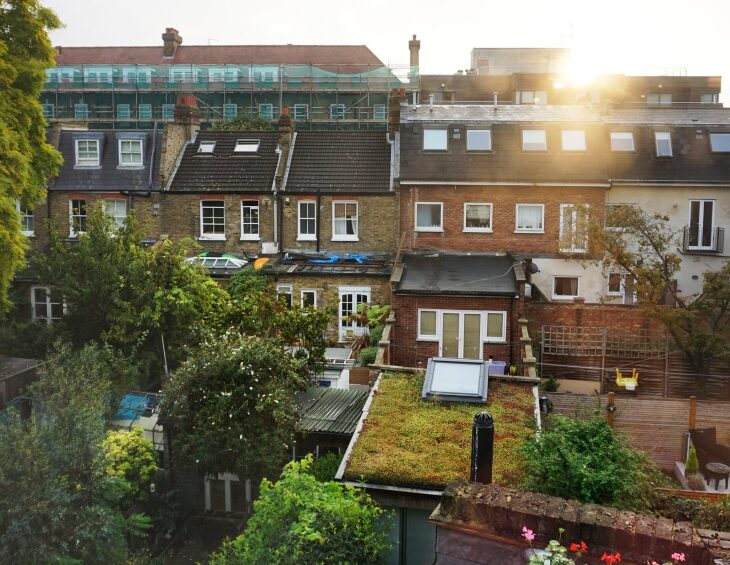
Overlooking, overshadowing and overbearing impact on neighbours are among the top reasons for refusal, especially for extensions. There is an informal rule often applied by many LPAs called the ‘45 degree rule’ where you draw an imaginary line from the edge of your neighbours’ first floor window, across and toward your plot, and anything crossing this line is often said to be overbearing, this is an easy way to pre-empt such potential concerns.
Why it matters: Even if your design looks reasonable on paper, its effect on neighbouring properties can carry significant weight in the decision-making process. Try putting yourself in your neighbours’ shoes and imagine the impact on their home and garden.
Real-life example: A rear extension was planned close to a boundary with a two-storey flank wall. The neighbour objected due to loss of light and outlook. The local ward member got involved and the case went to committee. After some debate, the planning committee deemed the proposal had met the informal 45-degree daylight guideline (see question 3 above) but still had an overall overbearing impact, and the case was refused permission. Later, a design that had a reduced depth was granted planning permission.
How to avoid it:
- Consider window placement and boundary distances carefully.
- Avoid daylight assessments for ‘right to light’ purposes as these are rarely cited by local planning authorities. Focus instead on the objective impact of your development and what the design guide states.
- Think about how the proposal feels from your neighbour’s garden, not just your own.
4. Misunderstanding fees and additional reports
Planning fees are only part of the cost. Many applications require supporting documents such as design and access statements, heritage statements, ecological reports, tree surveys or flood risk assessments.
Why it matters: Missing technical reports can delay validation or result in refusal if key issues aren’t addressed properly and worse, certain ecology reports (such as bats) can only take place from April to September, meaning long delays.
Real-life example: A homeowner submitted plans to extend a property near third-party trees but didn’t include an arboriculture report. The council requested further information, delaying determination by over six weeks while a tree survey was commissioned and plans amended.
How to avoid it:
- Check local validation requirements carefully.
- Identify constraints (trees, flood zones, heritage assets) at the outset.
- Budget for the worst-case scenario for extra reports.

5. Failing to seek advice early
Many applicants only seek professional advice after receiving a refusal, at a time when changes become more costly and time-consuming.
Why it matters: Early planning guidance can highlight potential red flags and shape a proposal that stands a far better chance of success. Chartered town planners offer high-quality insight into the polices, guidance and caselaw surrounding your case; it is not uncommon for your case officer to be unaware of these.
How to avoid it:
- Engage a planning consultant early in the process.
- At the start, don’t focus on design; focus on planning policy as it’s the first hurdle you need to jump.

Mark Doodes, MRTPI
Mark is a Chartered Town Planner and Director of Mark Doodes Planning, with over 24 years’ experience advising homeowners, self-builders and developers across England. He specialises in securing planning permission for new homes, rural projects, heritage work and strategic sites.
Mark Doodes Planning provides clear, practical planning advice from initial feasibility through to submission and negotiation, helping clients navigate the planning system with confidence.
For more information, visit markdoodesplanning.co.uk, email: [email protected], phone: 01865 600555