In this article we cover:
- Why replacement dwellings are on the rise
- How local planning policies affect rebuild projects
- Common constraints, including Green Belt, conservation areas and listed buildings
- Why scale, volume and design are often key planning issues
- The energy efficiency benefits of building new
- How replacement homes can improve layout and lifestyle
- Two real-life replacement dwelling case studies
- Why early advice from a chartered town planner can reduce planning risk
Many people prefer improving a well-located house rather than moving elsewhere. But lately, more clients are buying or keeping plots with existing houses to demolish and build a new one. This can carry less planning risk than applying for a new home on a greenfield site.
Rising costs, limited housing and plot supply and a desire to stay rooted in a particular area are all contributing factors.
Understanding the planning position
Although the principle itself is straightforward to understand, replacement dwellings still require careful navigation of the planning system. Local planning authorities (LPAs) usually accept the principle of replacement, but assess each proposal against policies that vary widely by area. Scale is often the primary issue, particularly in rural areas, where policies typically resist dwellings that are significantly larger than those they replace. The interpretation of what constitutes a disproportionate increase in volume varies between authorities, making a clear understanding of local policy essential.
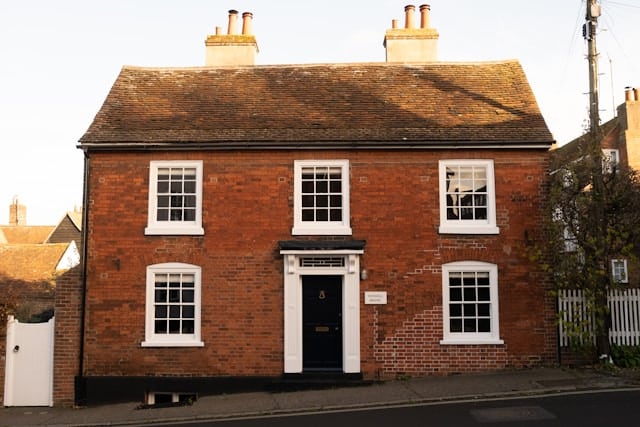
Don’t assume an LPA will welcome the loss of a modest 1940s bungalow in a Conservation Area. Its small scale and large open plot may still contribute positively to the area’s character or strategic views.
Additional constraints can make this more complicated, further influencing the art of the possible. Sites located within the Green Belt, near listed buildings or protected landscapes are subject to more restrictive policy frameworks, where a sensitive and informed planning strategy is critical. Even where replacement is acceptable in principle, neighbouring amenities, access, drainage and ecology can still shape the outcome. Applications that do not address these issues adequately at an early stage risk delay or refusal.
The benefits of starting again
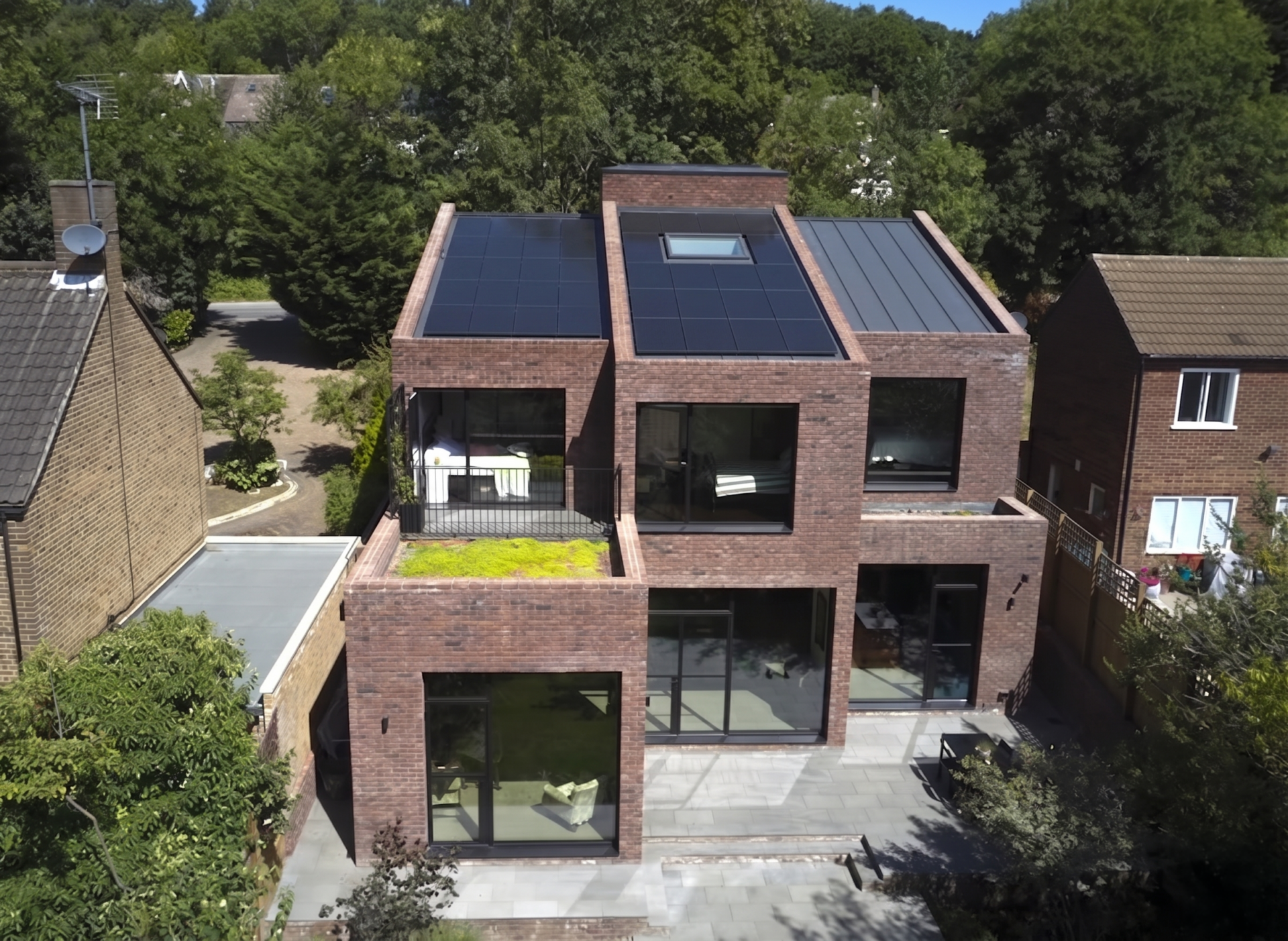
Balanced against these considerations are the clear advantages of replacement development. Much of the existing UK housing stock performs poorly in terms of energy efficiency, often resulting in higher running costs and a larger carbon footprint, especially compared to continental Europe. A replacement dwelling allows for a comprehensive upgrade, incorporating modern construction methods, improved insulation and low-carbon technologies from the outset. This can deliver long-term environmental and (private) economic benefits. However, don’t assume these legitimate factors will win the day at the town hall; many councils don’t have express policies in their local plan to encourage or reward this type of benefit.
Replacement also provides greater design flexibility. Working with an existing structure can limit meaningful change. A new build allows you to rethink the layout, position or orientation.Internal layouts can better reflect modern living, with more natural light, smarter use of space and stronger links outdoors. This can be particularly valuable where requirements include home working, adaptable living arrangements or preparing for future-proofing into later years of life.
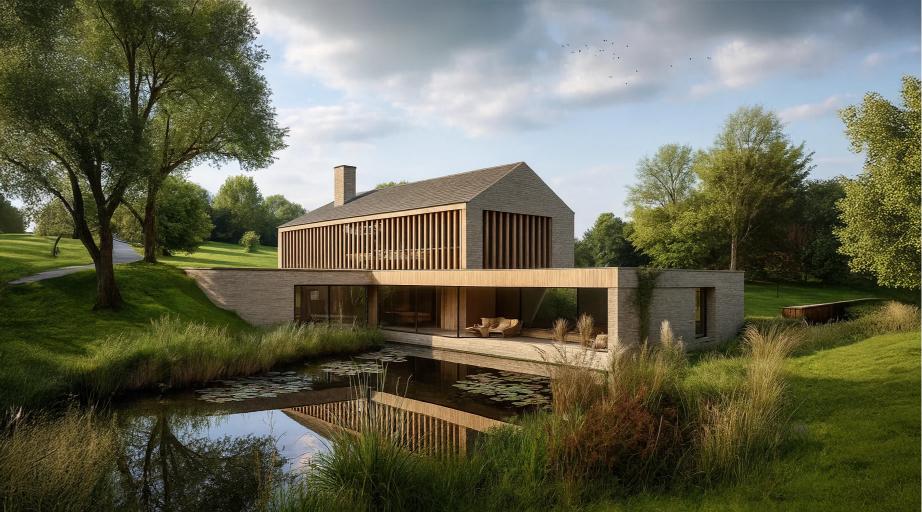
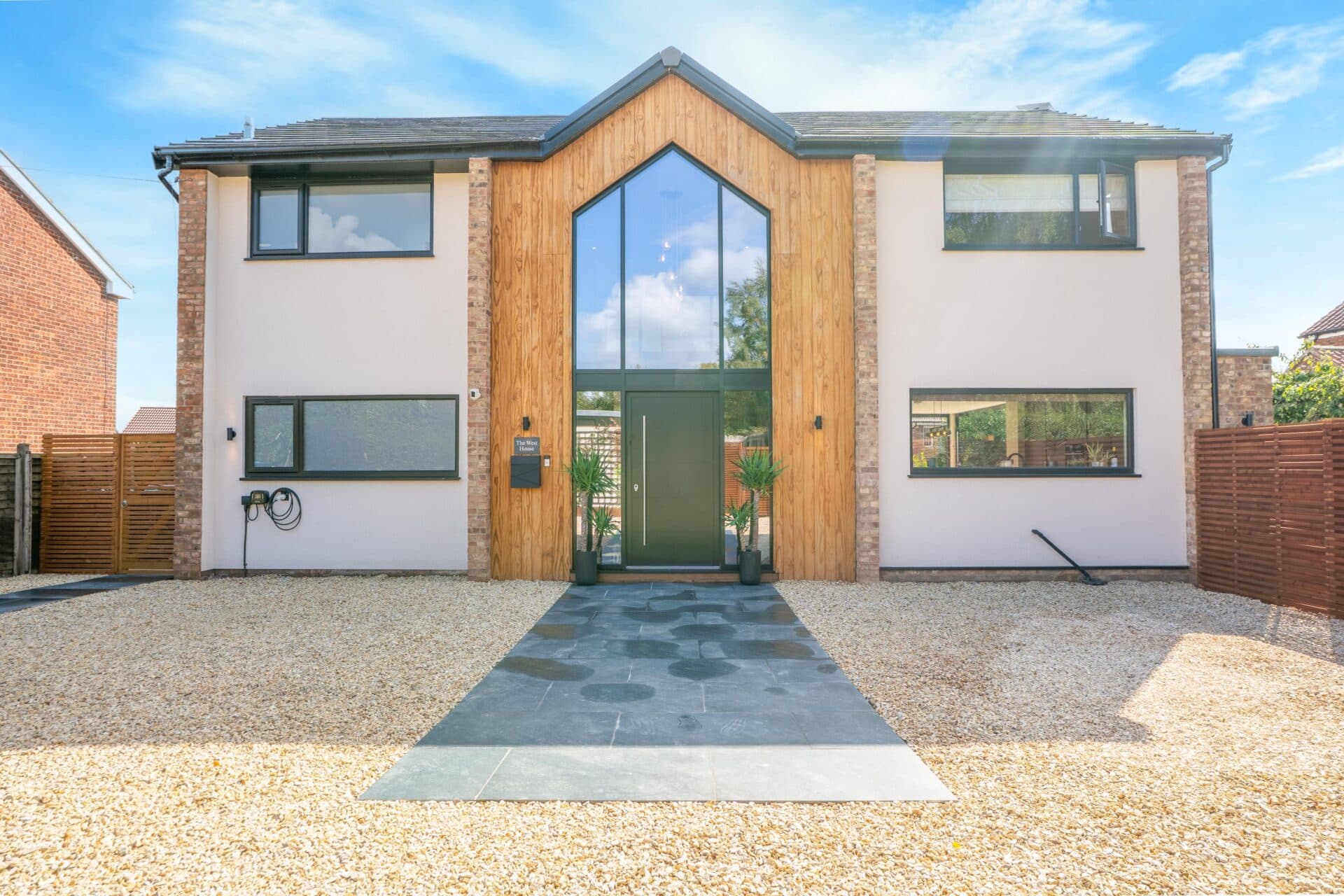
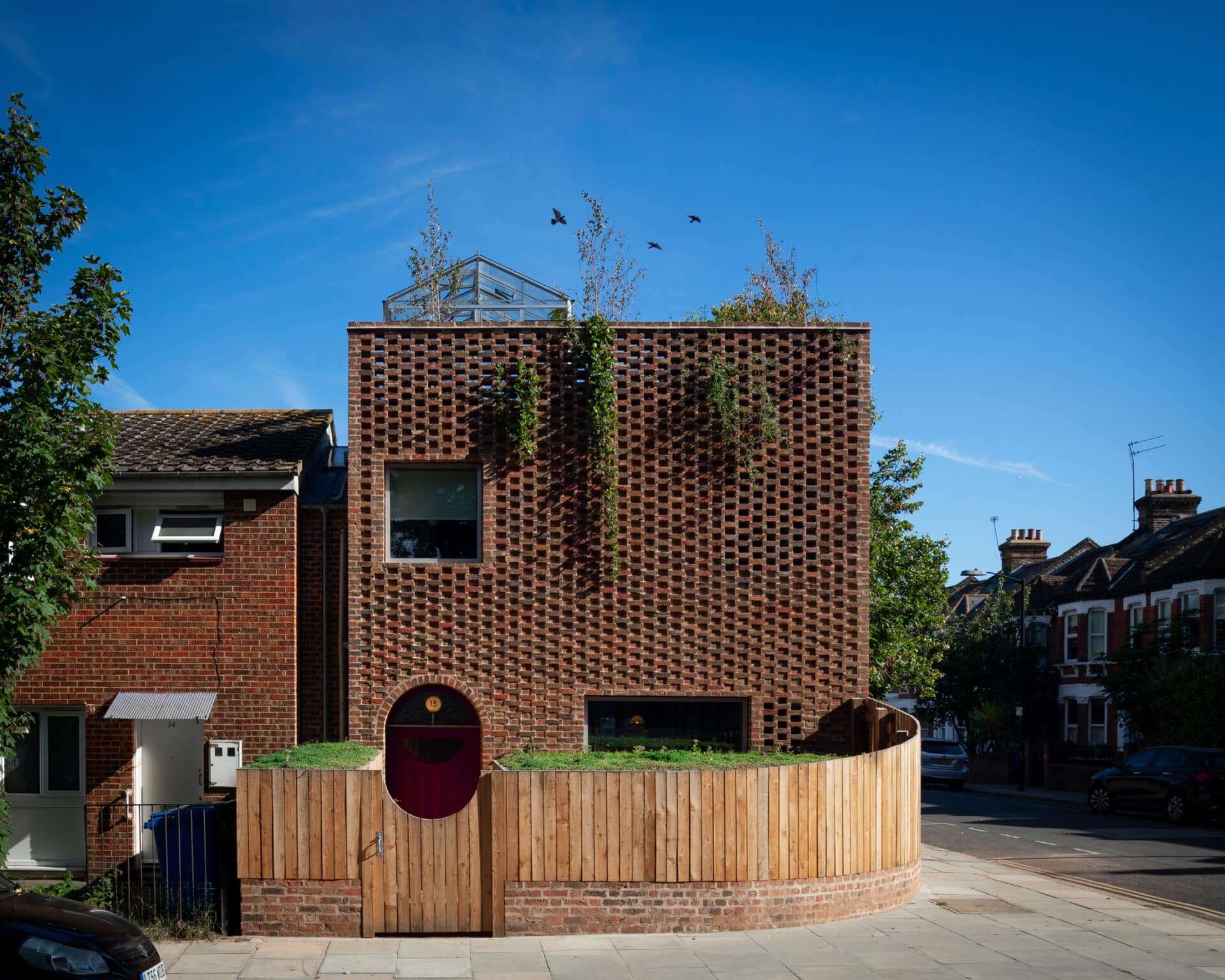
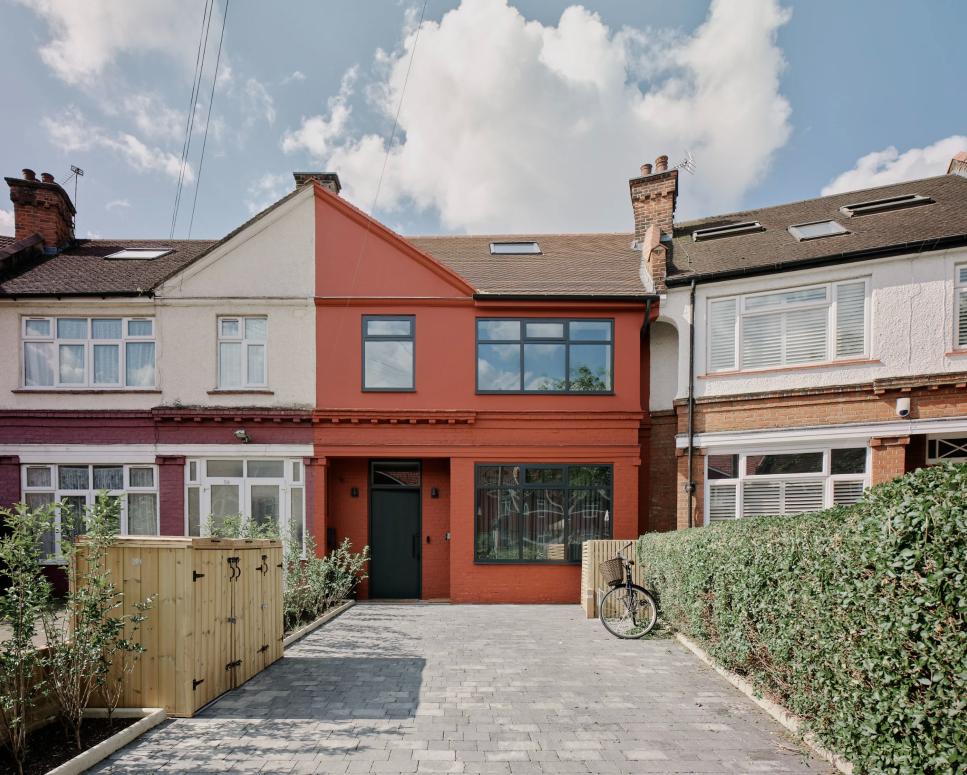
There is also potential to enhance the overall quality of the built environment. In some cases, the building being replaced makes a limited contribution to local character. A well-considered replacement dwelling can respond more positively to its surroundings in terms of scale, materials and form, resulting in an improved relationship with the wider context. We have worked on projects with thatched roofs, bold contemporary designs, large basements and even faux-barn ‘conversions’.
Case study: Rural replacement in Somerset
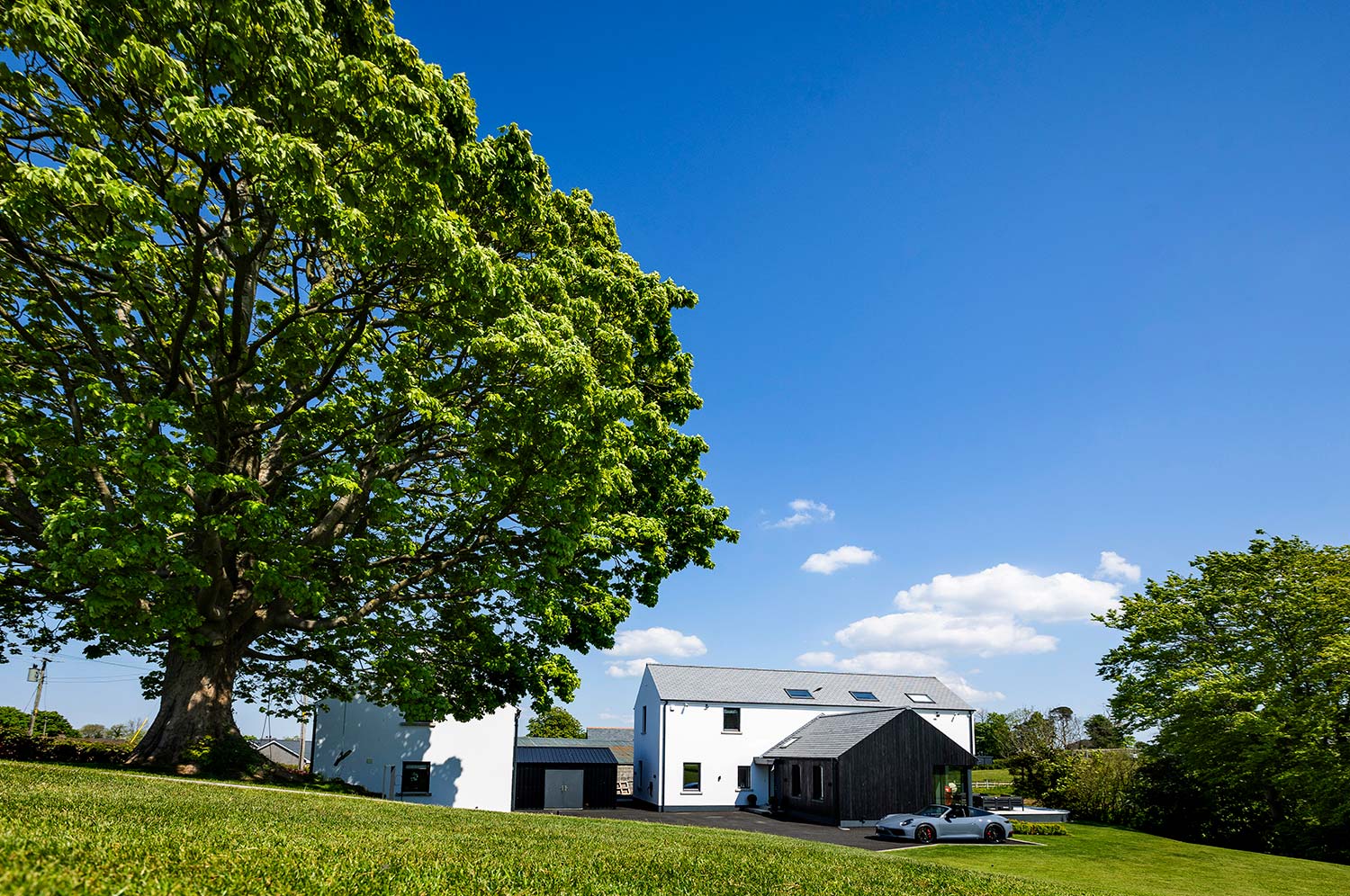
Mr and Mrs A purchased a site with commanding panoramic views on the edge of a Somerset village. The former dairy building presented an opportunity for replacement development in a sensitive rural setting.
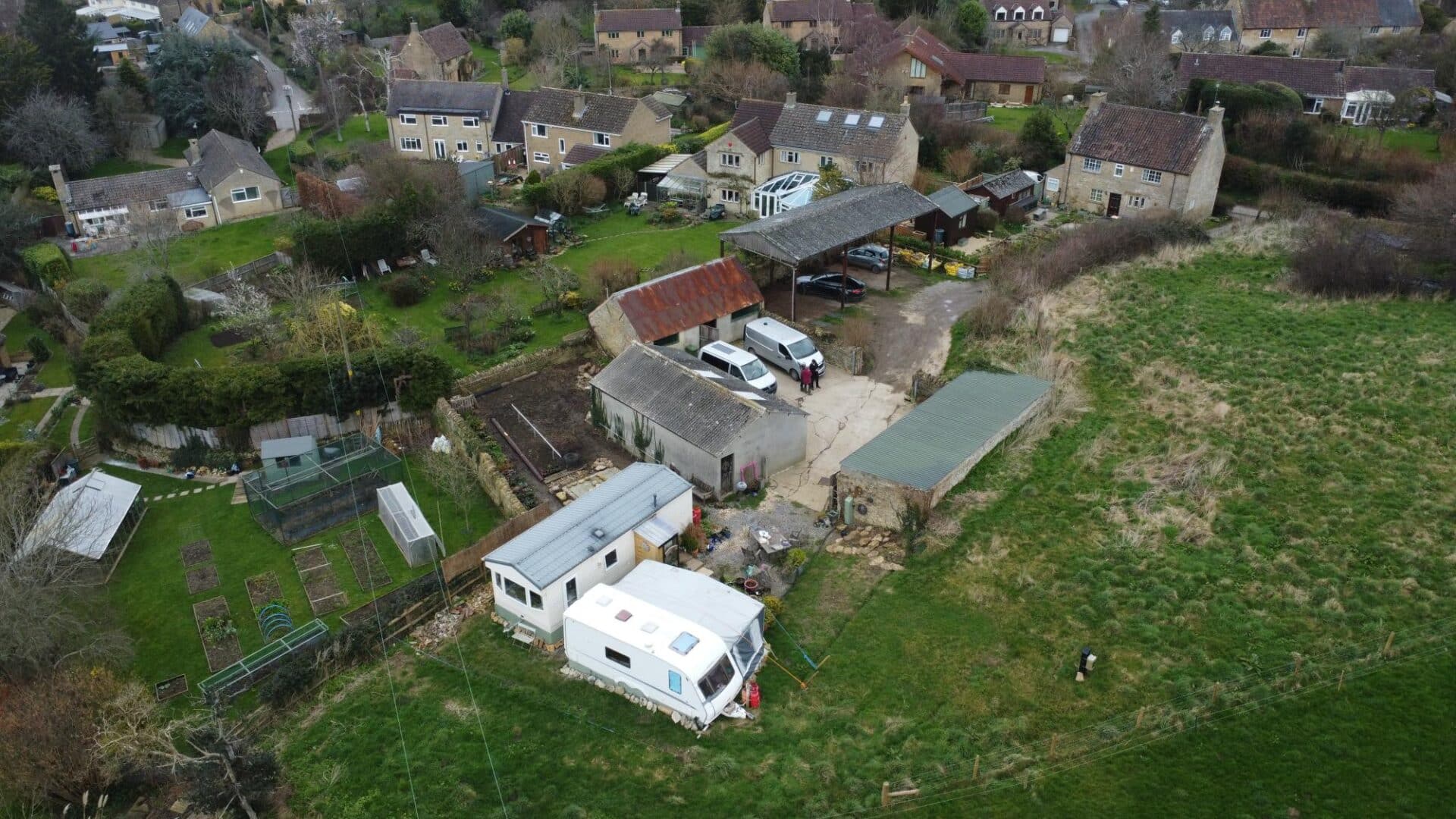
The project evolved over a three-year period and involved four separate planning applications, each exploring alternative design approaches and fallback positions. Significant heritage input was required throughout, alongside a locally based architectural technician who developed a barn-inspired design drawing on established examples of genuine agricultural conversions in the area.
A single barn-style dwelling was ultimately approved and is now nearing completion. As is often the case in sensitive locations, there was a degree of variation in interpretation between design aspirations and the expectations of the local planning authority. In this instance, the presence of an adjoining listed building and the prominence of the site resulted in increased scrutiny of materials, detailing and overall form.
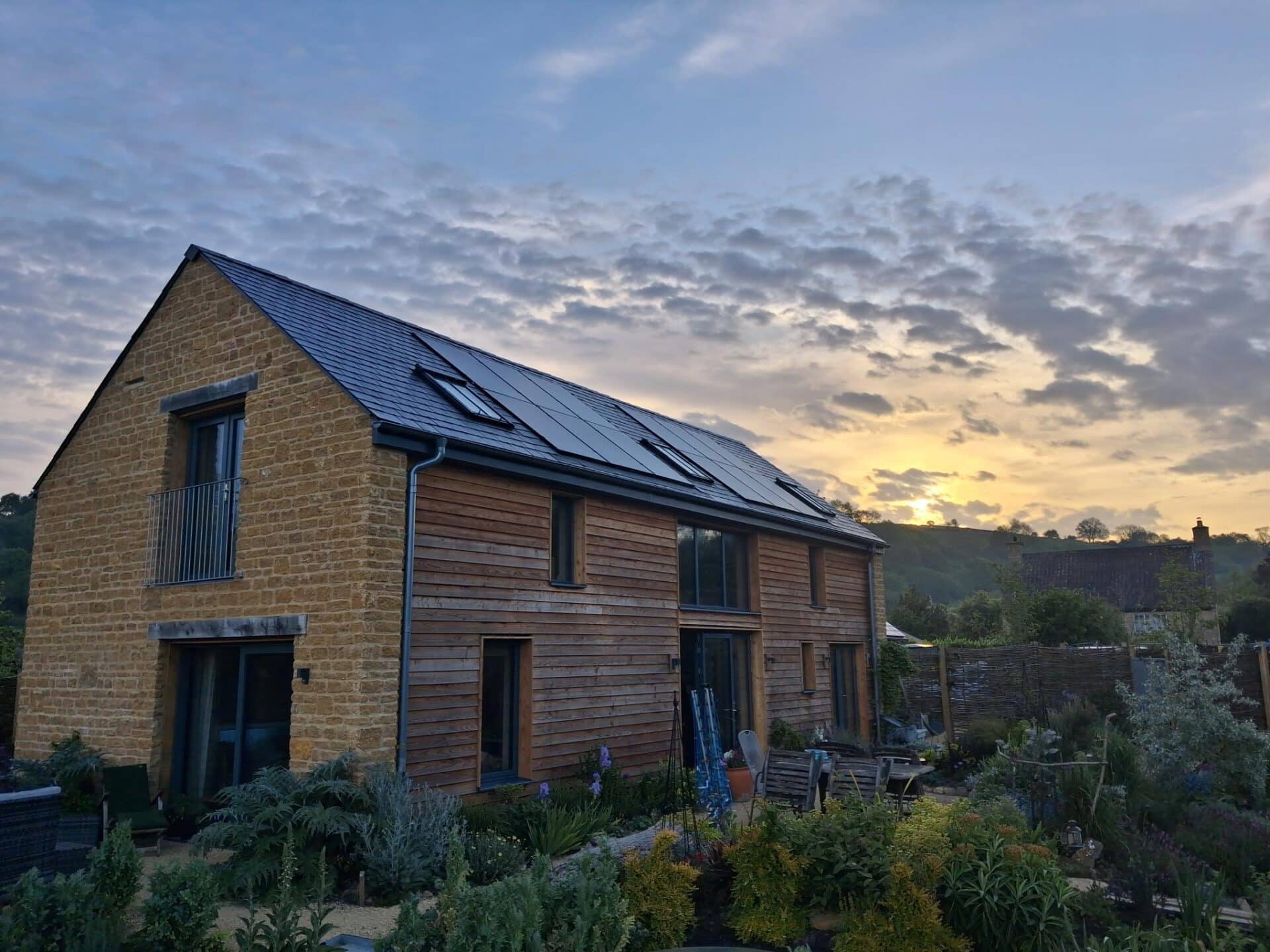
With appropriate technical input and a considered design response, the concerns raised were successfully addressed and planning permission was secured. The clients are very satisfied with the outcome, which delivers a substantial improvement in both accommodation and energy performance.
Case study: Rebuilding for retirement in Oxfordshire
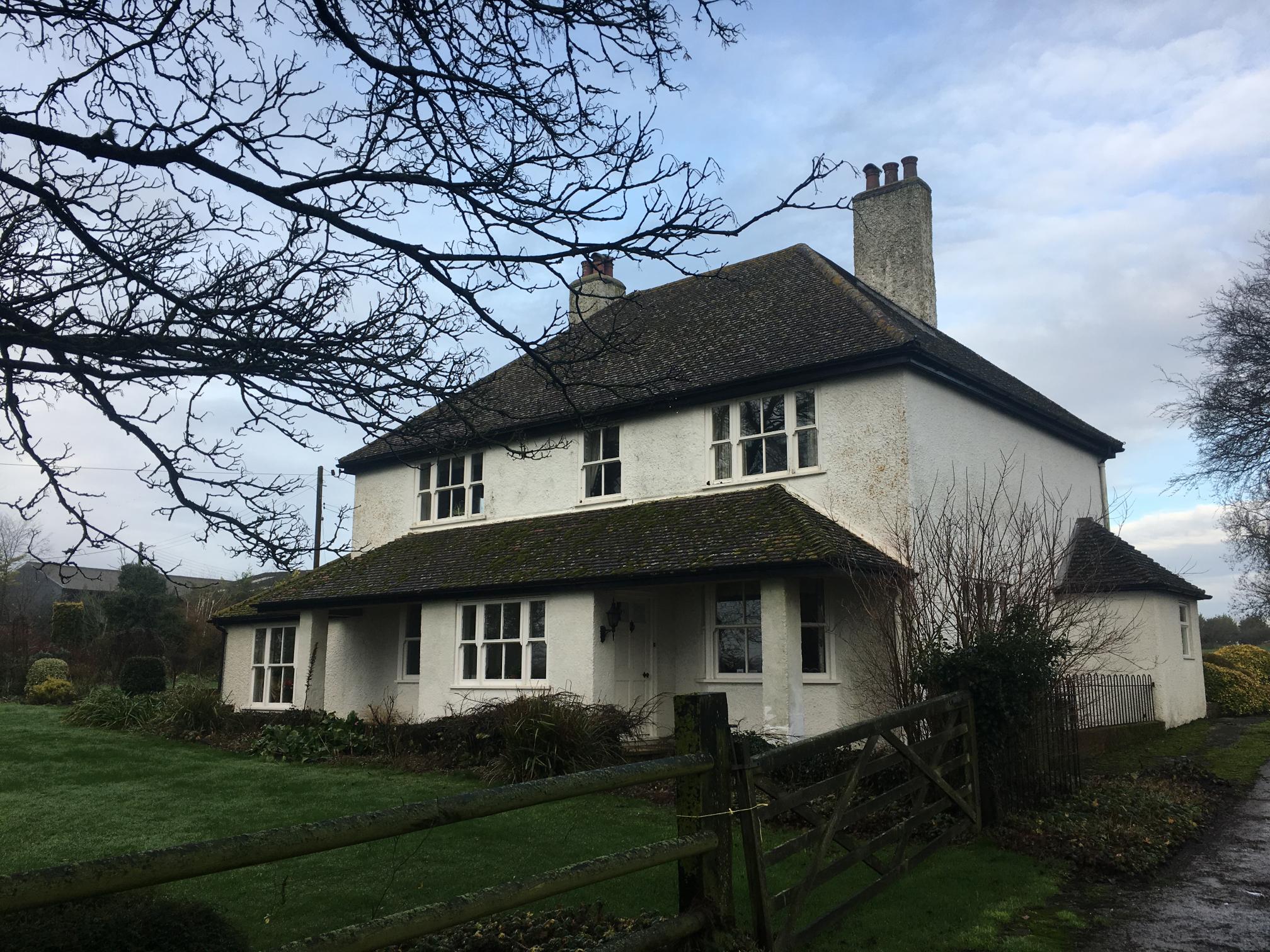
Mrs and Mrs B purchased a 1910s farmhouse in Oxfordshire with the intention of replacing it with a new dwelling. MDP was instructed to undertake a planning assessment of the principle of replacement, working alongside A’Bear and Ball Architects of Southmoor to develop the design concept, support pre-application discussions and prepare the planning submission.
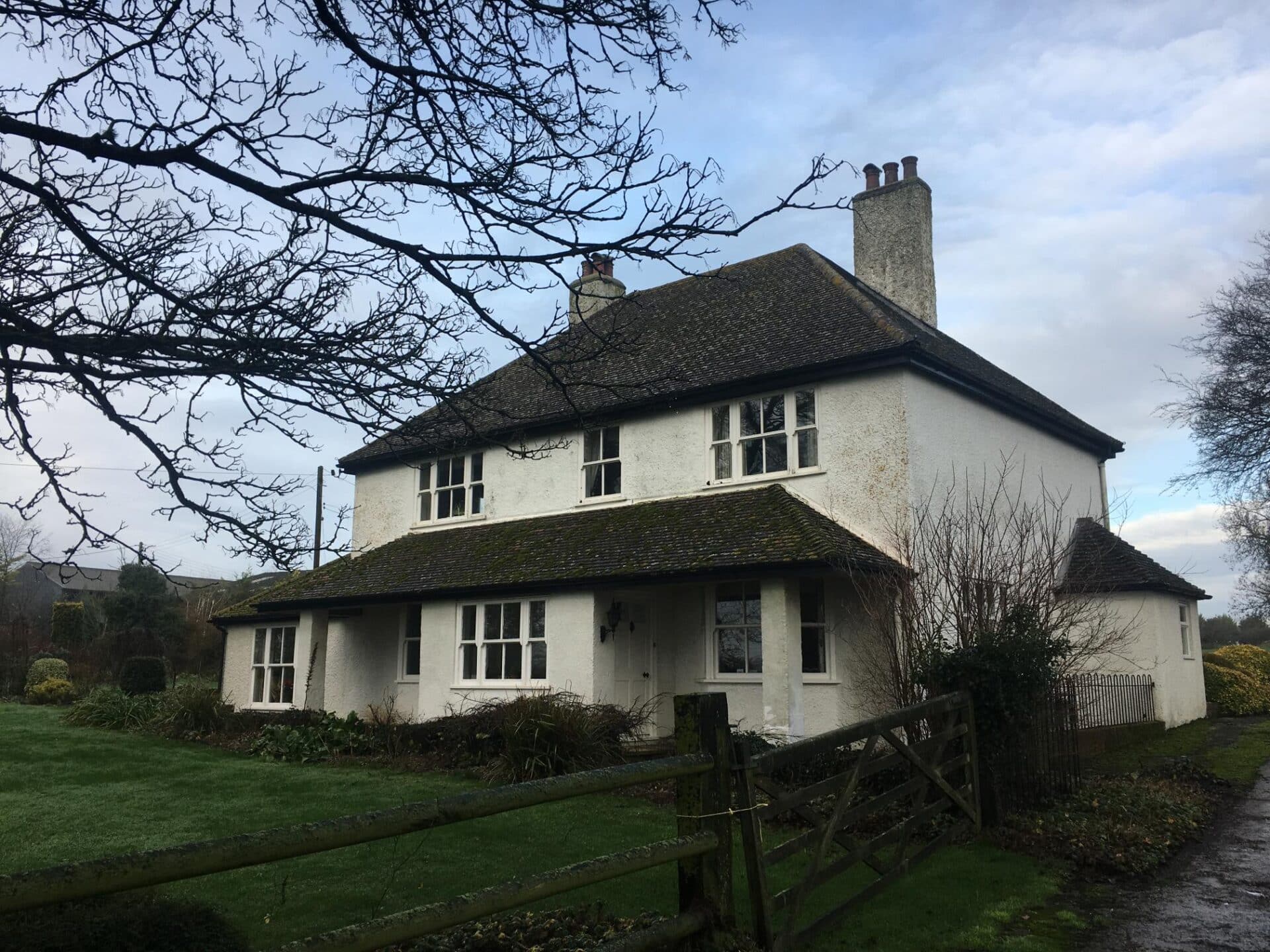
The project progressed through both the consenting and construction phases during the period of the global pandemic, which introduced practical challenges in relation to coordination, procurement and stakeholder engagement. Despite these constraints, the scheme was successfully advanced to completion.
The site, not being within the Green Belt, allowed for a replacement dwelling more than twice the footprint of the original building, subject to appropriate design justification. In this case, early engagement with the local planning authority and a strong design-led approach were key factors in achieving consent.
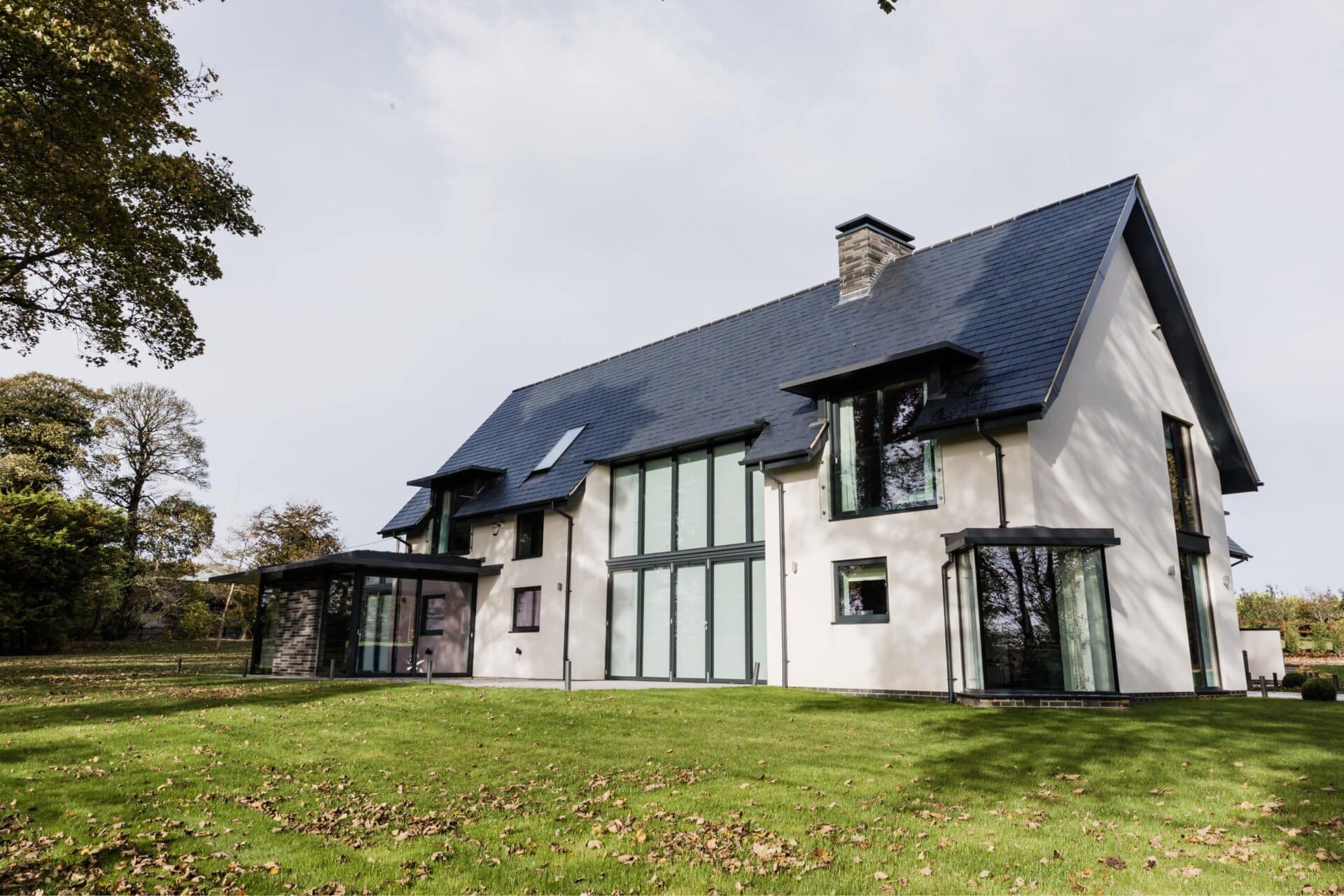
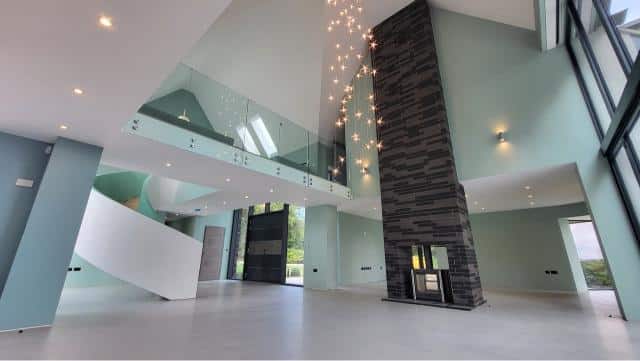
The completed dwelling incorporates a number of bespoke architectural features, including a spiral staircase and internal bridge elements, resulting in a distinctive and highly individual home. The clients are now preparing to occupy the property as a long-term retirement residence.
Why early planning advice matters
Replacement dwellings offer a viable route to delivering high-quality, efficient homes without the need to relocate. However, they require a thorough understanding of planning policy and site-specific constraints. Early engagement with a chartered town planner can provide valuable guidance, helping to shape proposals that are both realistic and policy-compliant. In many instances, this informed approach is key to securing a successful outcome.
Contact MDP Consultants and quote SBM10 to secure 10 percent off your initial consultation.
Mark Doodes, MRTPI
Mark is a Chartered Town Planner and Director of Mark Doodes Planning, with over 24 years’ experience advising homeowners, self-builders and developers across England. He specialises in securing planning permission for new homes, rural projects, heritage work and strategic sites.
Mark Doodes Planning provides clear, practical planning advice from initial feasibility through to submission and negotiation, helping clients navigate the planning system with confidence.
For more information, visit markdoodesplanning.co.uk, email: [email protected], phone: 01865 600555