In this article we cover:
- Why the site should shape the design from the very start
- How sun, wind, landform and planting can influence a home’s layout
- Why existing trees, vegetation and natural features are worth working with
- The importance of understanding site ecology before plans are finalised
- How orientation affects natural light, comfort and energy use
- What to check when it comes to access, services and infrastructure
- Why planning and environmental constraints need to be thought about early
In A Comprehensive Guide to Sustainable Self Build Homes, Sean Ronnie Hill, founder of RISE Design Studio, makes the point that sustainable design starts with the site.
Before you get into materials, technologies or floor plans, you need to understand the land you are building on. Sean shows how the right site, local ecology, access to services and planning constraints all play a part in creating a home that is energy-efficient, practical and built to last.
The main idea is simple: a sustainable home should sit comfortably in its surroundings, not feel forced onto them.
Start by reading the land
One of the guide’s strongest messages is to understand the site properly before any design work begins. Sean highlights the importance of looking at the path of the sun, the prevailing wind, the shape of the land and the planting already there.
“One of the first considerations should be the path of the sun relative to your potential site.”
Spending time getting to know the site can help shape key decisions about layout, scale, window placement and comfort inside the home. It can also help bring in more natural light, reduce the need for heating and cooling, support natural ventilation and avoid expensive changes later on.
In other words, the land itself can tell you a great deal about what kind of house will work best there.
Let the site do some of the heavy lifting
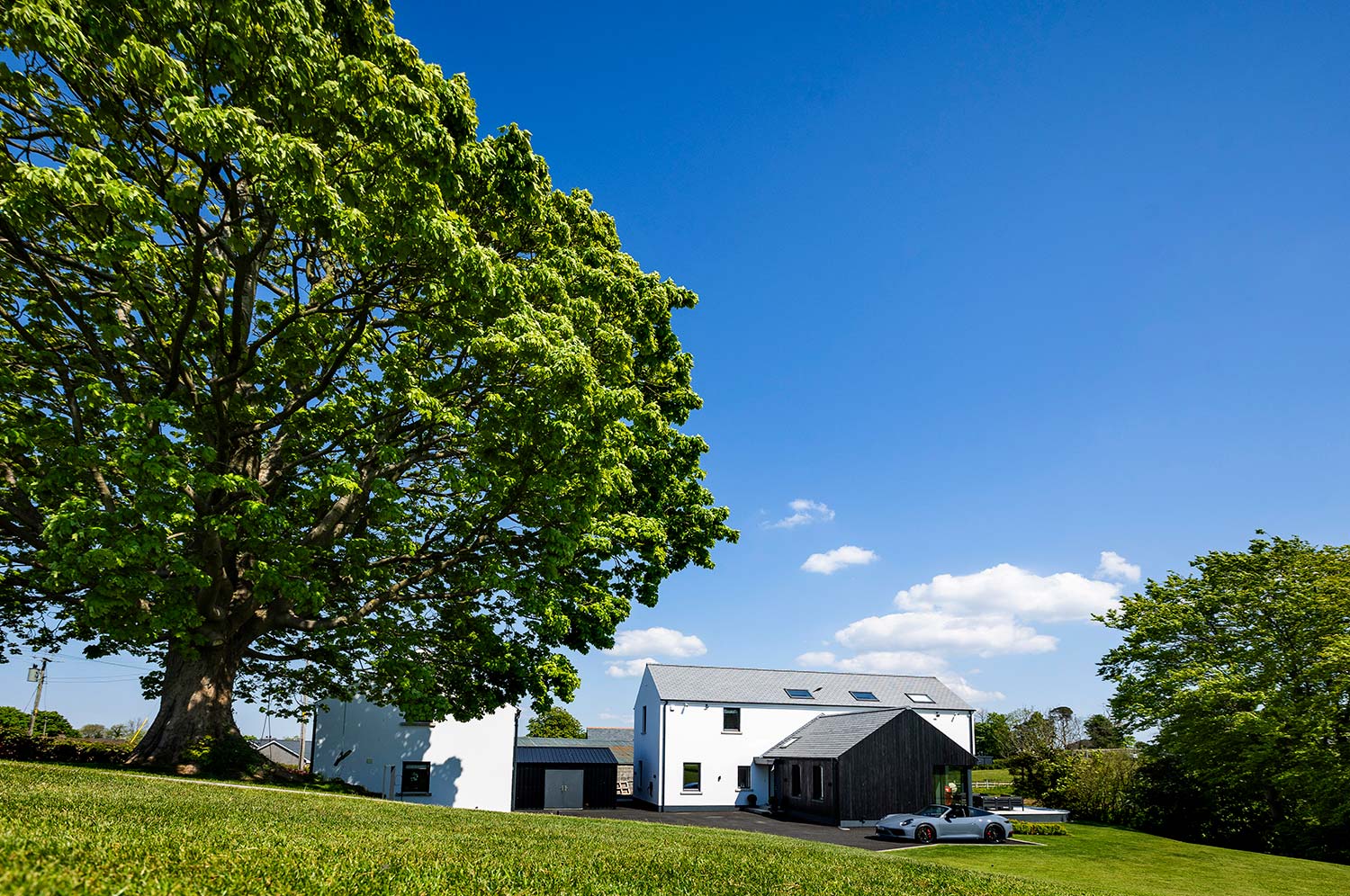
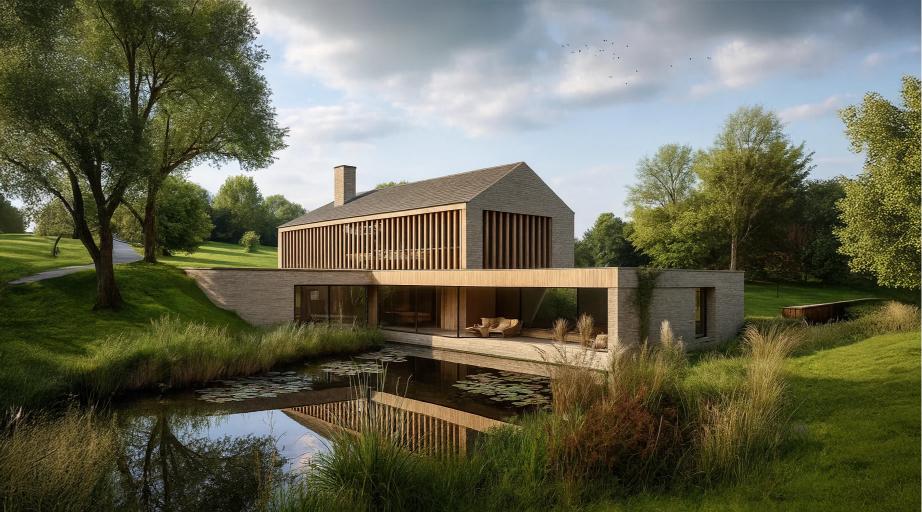
Sean also makes the point that the features already on a site should not automatically be seen as obstacles. Trees, planting and the natural contours of the land can all help shape a home that works better and feels more connected to its setting.
“Preserving existing trees and natural vegetation not only contributes to the ecosystem but also provides your home with natural shading and wind protection.”
These natural features can reduce the amount of excavation needed, support passive heating and cooling, improve water management and help maintain the local ecosystem. Instead of stripping a site back completely, the better approach is often to design with these features in mind from the start.
Understanding the existing ecosystem
Before finalising the design, take time to understand the plants, habitats and wider ecosystem already on the site.
Starting that work early can help protect habitats, avoid redesigns during planning, support compliance with environmental rules and create a home that is more resilient in the long run.
Sean’s message is clear: build sustainability into the earliest decisions and treat ecology as a core part of the process, not an afterthought.
Orientation matters
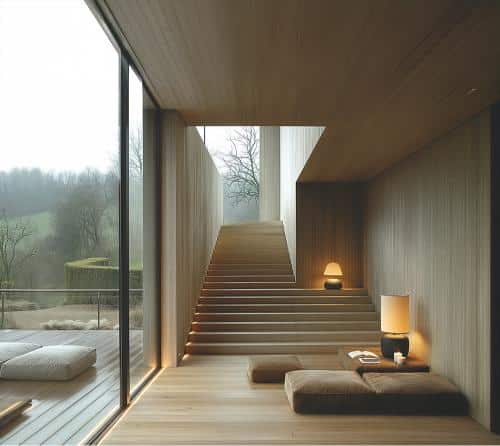
The guide also explains how orientation is one of the most important passive design tools available to self-builders. How the house sits on the site will directly affect natural light, solar gain and long-term energy use.
“A plot that allows for optimal natural light can significantly reduce your reliance on artificial lighting, thus lowering energy consumption.”
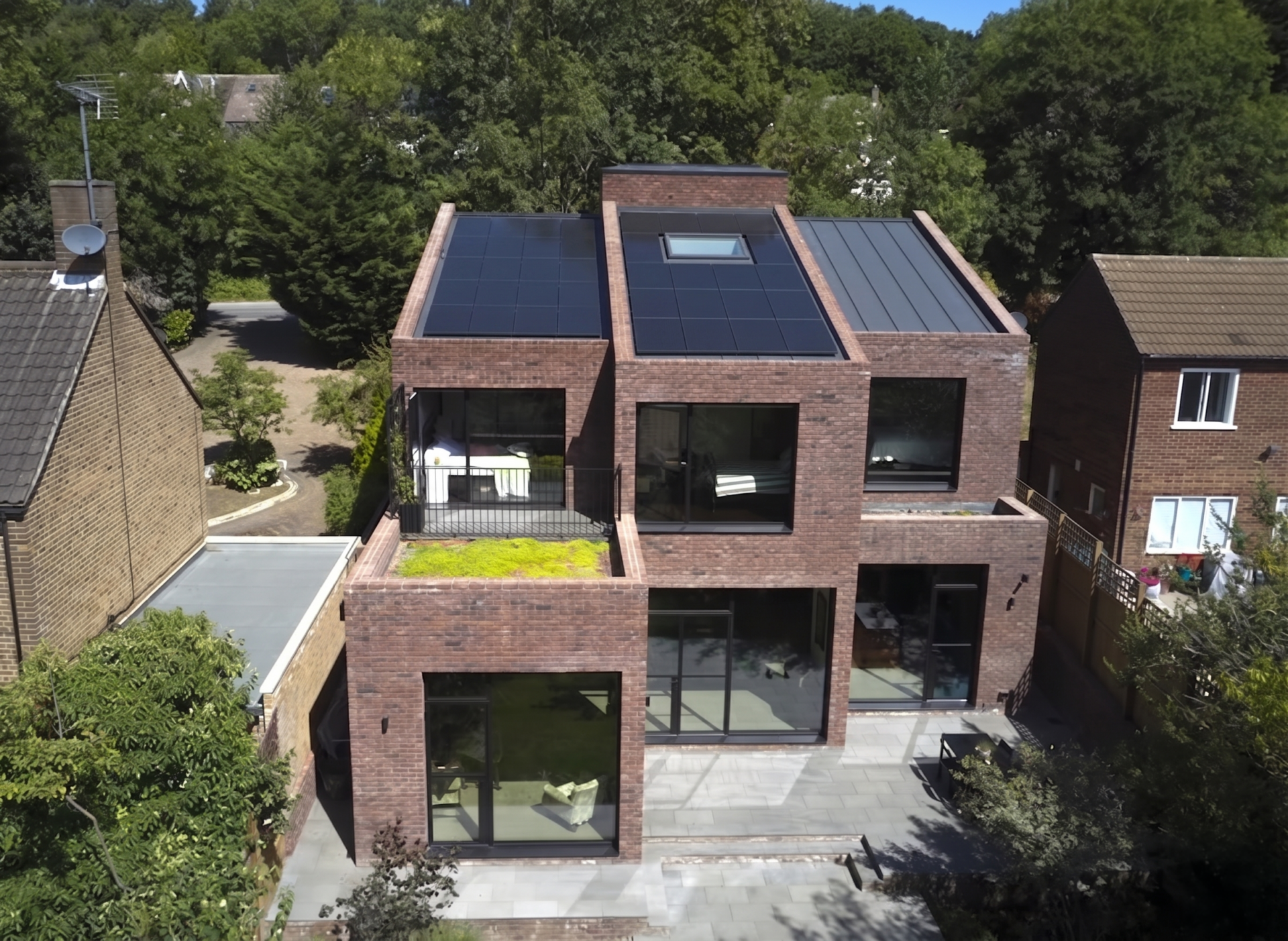
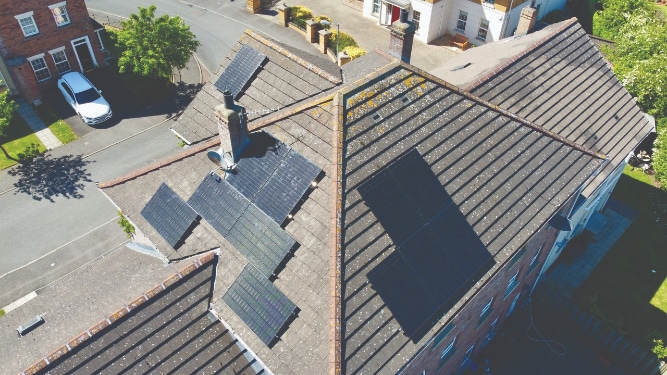
A well-oriented home can make better use of daylight, benefit from passive solar gain, reduce heat loss, lower energy demand and make it easier to add solar panels later on. So orientation is not a small detail to sort out later. It is one of the big early decisions that can shape how the house performs for years to come.
Practical matters count too
The guide also makes clear that choosing a site is not just about views, landscape and ecology. Practical issues matter too. Before making a final decision, check access, roads, pathways and the availability of services such as water, electricity and internet.
Sean’s view is that a good self-build site needs to strike a balance between natural beauty and practical access. A plot may look ideal on paper, but it also needs to work in day-to-day life.
Plan for success
Before settling on a site, Sean advises self-builders to check for any local restrictions that might relate to ecology, heritage or visual character.
Taking those constraints seriously from the outset can help make the planning process smoother and reduce the risk of delays later.
The guide also includes a London-specific passage showing why it pays to work with planners early, but the same advice applies anywhere:
“In the intricate world of London’s architectural planning, collaboration with planning officers is crucial for success. It fosters mutual understanding, enhances communication, leverages local expertise, and streamlines the approval process, establishing long-term professional relationships and transforming challenges into creative opportunities.”
Source & credits
Based on RISE Design Studio’s A Comprehensive Guide to Sustainable Self-Build Homes. © RISE Design Studio. Reproduced with permission.

Sean Ronnie Hill is a RIBA/ARB-registered architect and Certified Passivhaus Designer, and the founder of RISE Design Studio (London & Barcelona). RISE specialises in low-energy homes, deep retrofits (EnerPHit) and thoughtfully detailed new builds that use low-carbon materials and rigorous building-physics.