
In this article, we cover:
- Whether to start with a budget or a design
- The roles of the architect and quantity surveyor
- Why a rough budget is essential from the outset
- How to use sketch designs to explore ideas sensibly
- When to bring in a quantity surveyor for early cost guidance
- How to refine your design without losing control of costs
- Why revisiting the budget throughout the process matters
- The benefits of a staged, shared approach to self-build

One of the biggest questions for anyone starting a self-build project is where to begin: should you set your budget before diving into design, or let an architect draw up plans and then see what’s affordable?
It can feel like a classic “chicken and egg” scenario, and getting the order right matters for both your wallet and your project’s success.
Here’s my advice on the process and how to strike the right balance between dreaming big and staying financially grounded.
Step 1: Understanding the key roles
Architects are creative professionals who specialise in designing spaces to fit your needs and aspirations. However, most architects do not manage construction costs day-to-day.
Quantity Surveyors (QS) are cost experts in the building industry, familiar with material, labour and trade pricing. Their role is vital in helping you pin down realistic figures before you commit.
Step 2: Start with an honest assessment
Ask yourself: How much can I (or do I want to) spend overall? Even a rough limit is a helpful guidepost to keep design expectations realistic.
This top-line figure will anchor decisions and conversations with your professional team.
Step 3: Begin the design – but don’t go too far
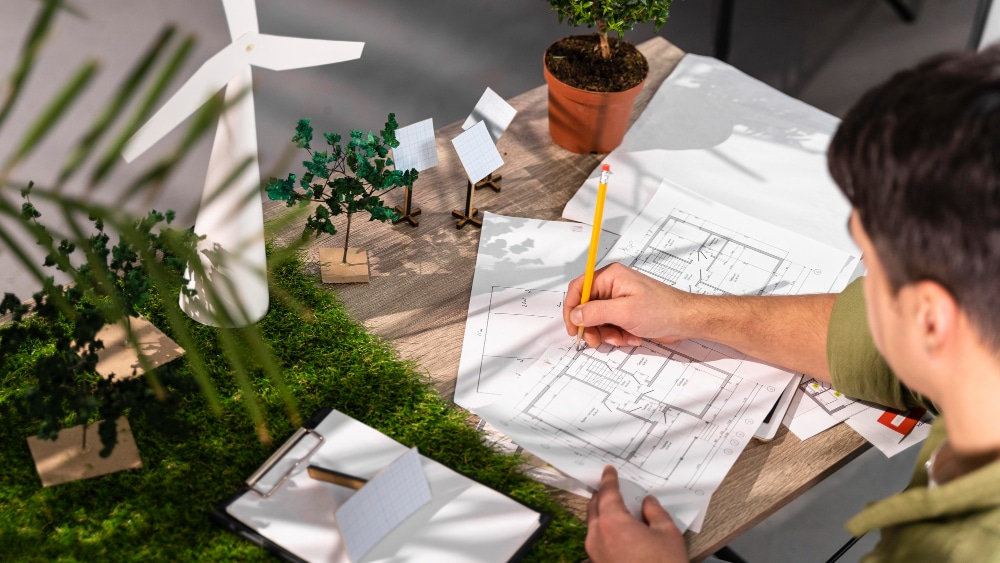
Consult your architect early to explore what’s possible on your site: ask for sketch options that reflect your goals, needs and the unique characteristics of your land.
Avoid jumping into detailed (and costly) plans before understanding potential costs – these early sketches are meant for broad exploration.
Step 4: Bring in the Quantity Surveyor (QS) early
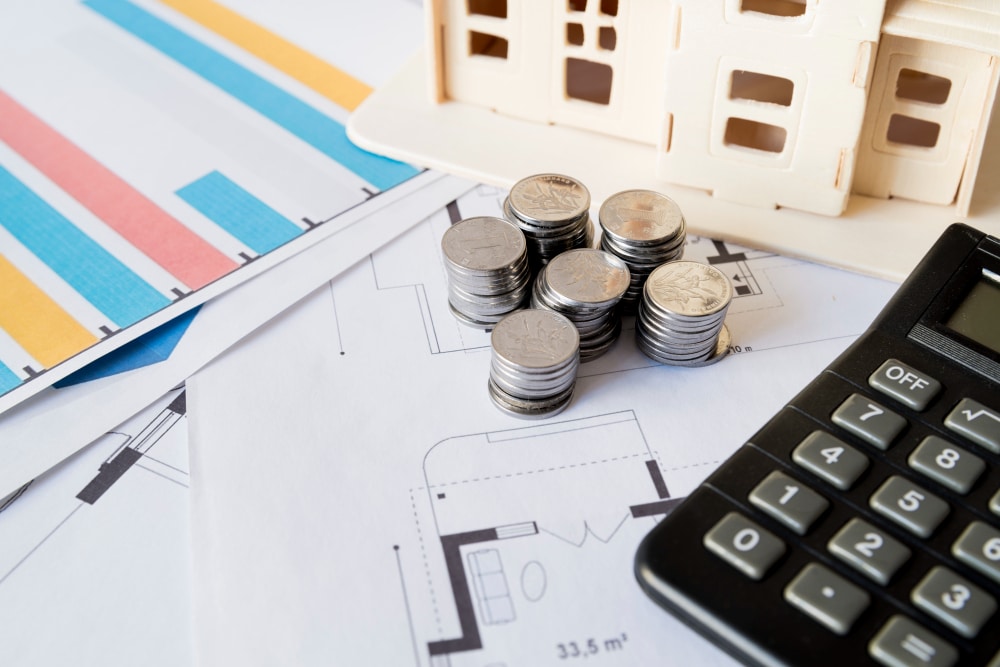
Once sketch options are ready, bring in a QS to provide broad-brush cost estimates for each concept.
These estimates help you judge which options fit within your target budget – before you invest heavily in professional fees or design development.
Provide the QS with enough specification detail for meaningful estimates (e.g., preferred bathroom/kitchen quality, house size, special finishes).
Step 5: Iterate and refine
Use the QS’s feedback to select a feasible design, making trade-offs as needed between aspiration and affordability.
Only after aligning the design concept with your budget should you commission your architect to develop more detailed plans.
Before submitting for planning permission, ask the QS to prepare a full cost plan, which brings more detail and accuracy.
Step 6: Plan for revisions
Expect that some back-and-forth will be necessary: as you firm up the design and talk to contractors, actual costs may shift.
Each time design details change, revisit your budget and update cost estimates accordingly.
Taking things step by step brings several clear advantages. It helps prevent the common trap of designing beyond your means. It gives you the data you need to decide where to invest and where to scale back. And it reduces the likelihood of wasted fees, repeated redesigns and unnecessary delays.
A successful self-build is the result of clear communication, realistic expectations and smart sequencing. Work closely with both your architect and your quantity surveyor from the outset – let your dreams inform the design but let the numbers shape reality.
Begin with an open mind and a rough budget. Explore the possibilities, test them against the numbers and refine as you go. That is the surest route to creating a home that not only reflects your ambitions, but is one you can genuinely afford to build.