In this article we cover:
- Why the homeowners chose a deep retrofit over a standard renovation
- How the design evolved with an EnerPHit-style approach
- Maximising light, space and garden connections on a wide rear plot
- Navigating planning for multiple extensions and a garden studio
- Managing a complex retrofit while living abroad
- Key structural interventions, including underpinning
- Choosing materials for performance, durability and low VOCs
- Decisions around insulation, airtightness and glazing
- Selecting and integrating ASHP, MVHR and solar PV
- Going all-electric and removing gas from the home
- Achieving a 75 per cent reduction in energy use
- Lessons learned from delivering a near-Passivhaus retrofit
- How the garden studio transformed work and family life
- Unexpected challenges and how they were resolved
- What the homeowners would do differently next time
- Supplier details, specifications and professional photography
When Olly Jones and Anne-Claire Walch bought their 1930s Kensal Rise home, it was lived-in but outdated. Working with their architect, they completely reimagined the space through an EnerPHit-style deep retrofit, adding a rear extension, dormer and a large garden studio. The result is a light-filled, all-electric home with a 75 per cent reduction in energy use and plenty of practical solutions for modern family life.
Here, Olly and Anne-Claire share the story behind the renovation, the design decisions, and what it’s like to live in a home that’s both comfortable and sustainable.
What condition was the house in when you bought it, and what were the main issues you wanted to tackle?
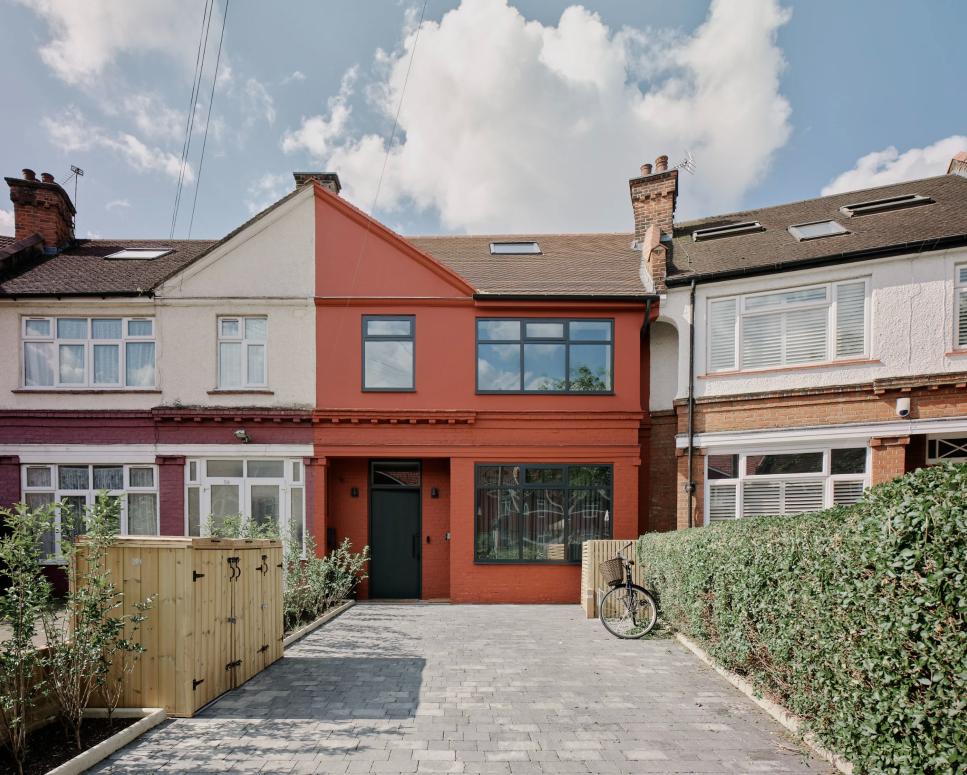
Olly & Anne-Claire: The house had been lived in for years but hadn’t been updated. It was about half its current size. Right from the start, we wanted to completely rethink and redesign the whole space. Our architect, Sean Ronnie Hill from RISE Design Studio, saw it as a great fit for an EnerPHit-style deep retrofit, which meant adding lots of insulation, improving airtightness, and upgrading all the services.
An EnerPHit-style deep retrofit refers to upgrading an existing building to near-Passivhaus performance levels, where full Passivhaus certification may not be practical.
General overview
Size of house before extension: 140sqm
Size of house after extension: 268sqm
Number of bedrooms: 4/5
Size of plot: 270sqm
Heating system: Air to water heat pump, underfloor heating
Ventilation: Mechanical Ventilation with Heat Recovery (MVHR)
Build method: Mainly timber construction, with steel used only where absolutely necessary.
Energy Performance Certificate: 92A
When you were putting together the architect’s brief, what were the big priorities for you?
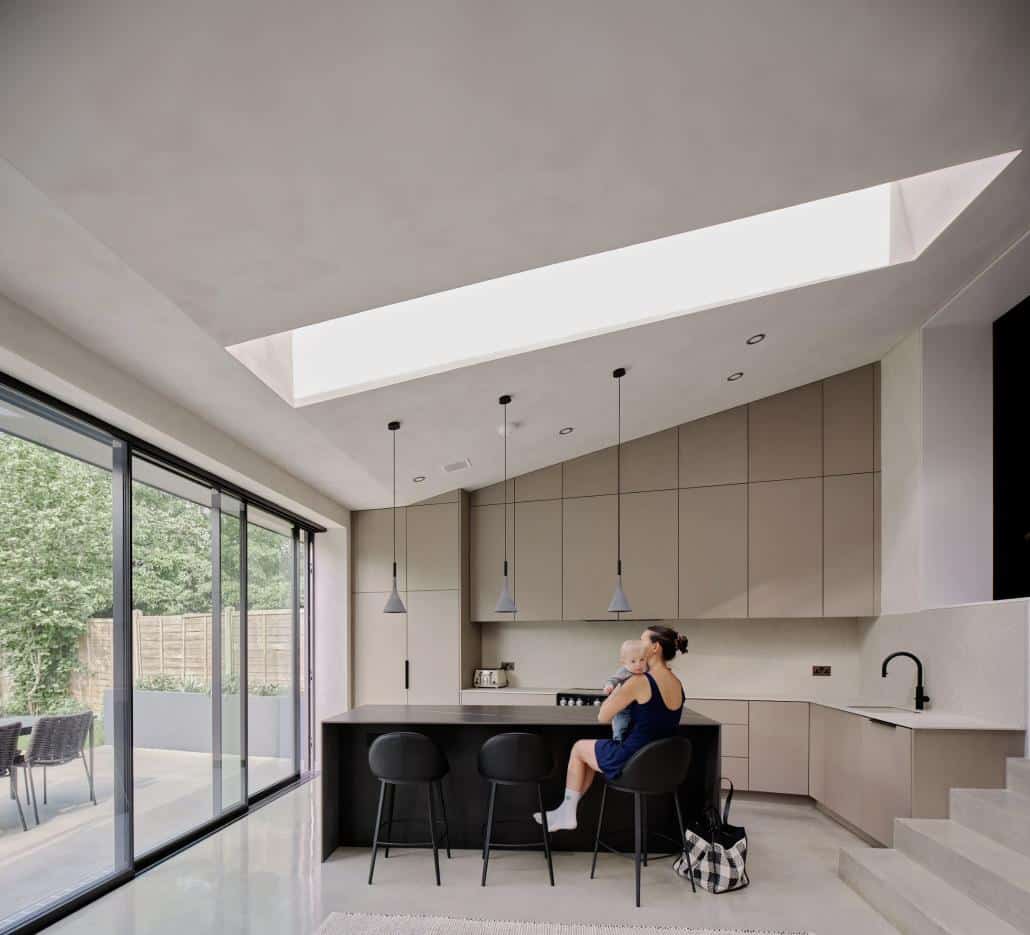
Olly & Anne-Claire: We wanted to take advantage of the wide rear of the plot and its south-facing position. Bringing in light and creating an open feel were really important to us. We also aimed for maximum efficiency, so we took out the gas, switched to all-electric, tripled the insulation, put in a heat pump and added a big solar array.
In most parts of the house, we used up to twice as much insulation as Building Regulations require.
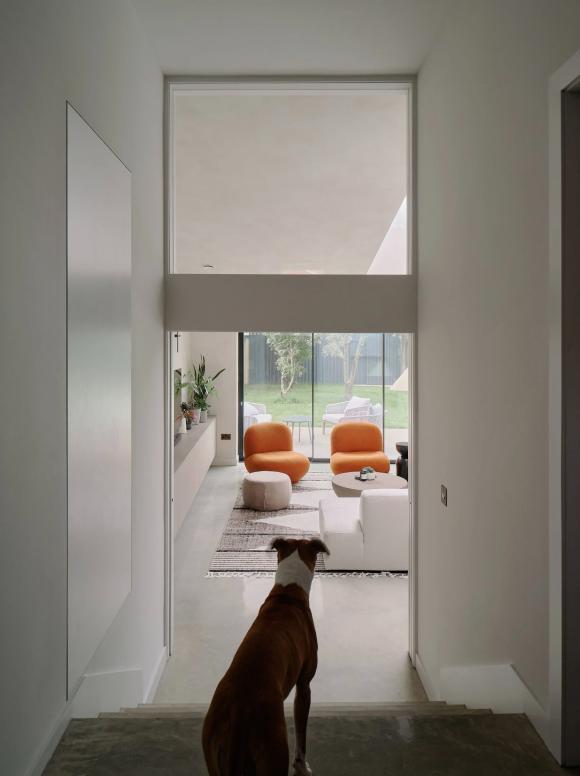
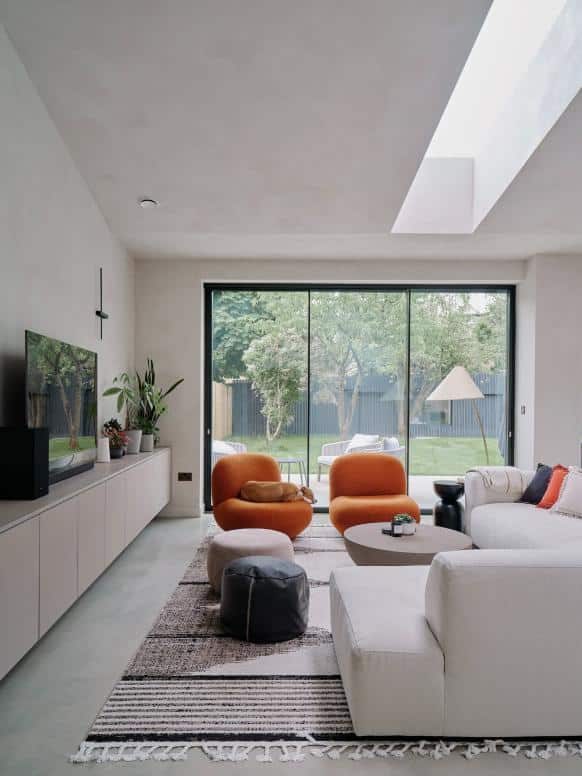
Did the location shape the style and overall direction of the renovation?
Olly & Anne-Claire: The only part of the house that we kept to match the area was the red front elevation, the roof tiles and the dormer. Otherwise, we started the project with no set plans. Since it was our first big build, we wanted to stay flexible and see where the design process took us.
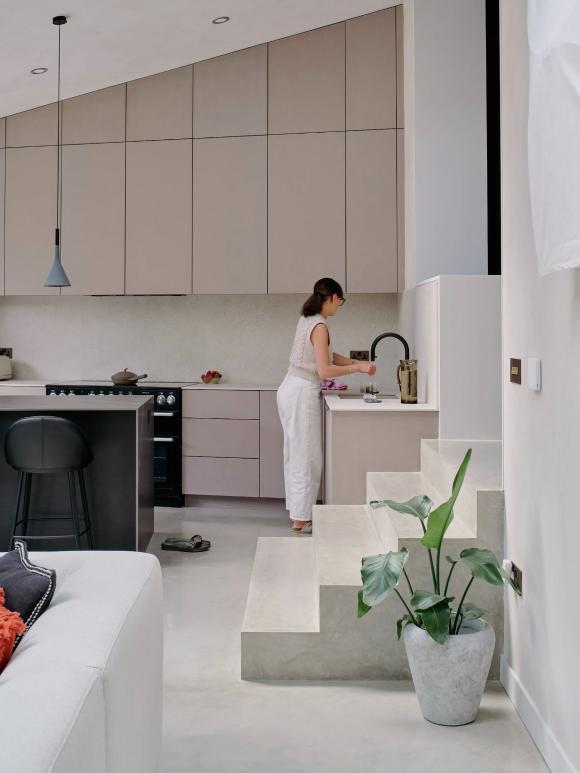
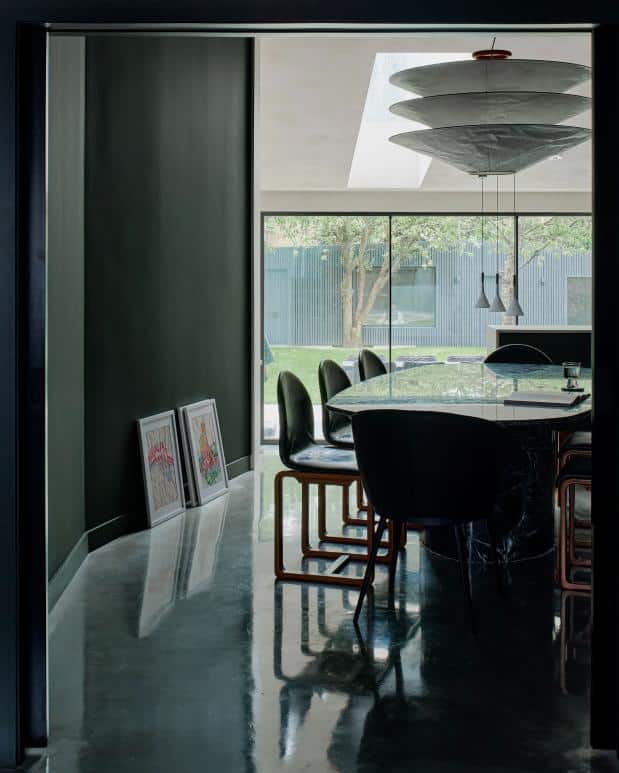
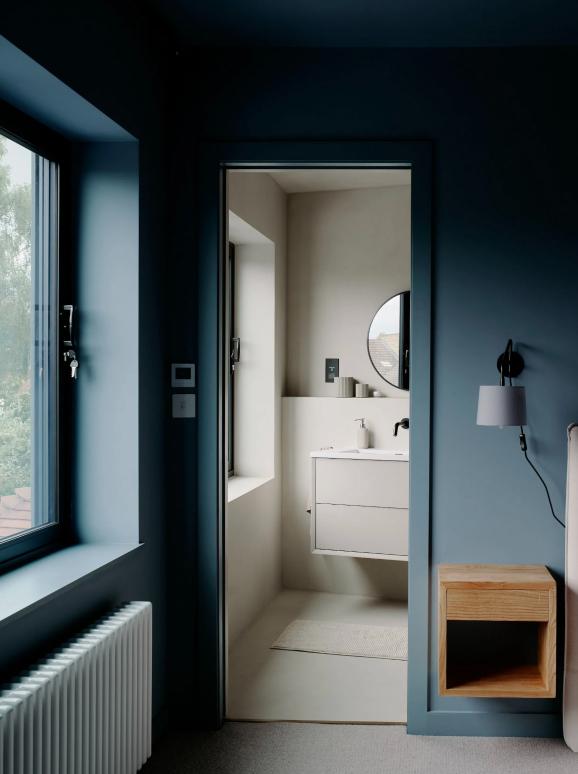
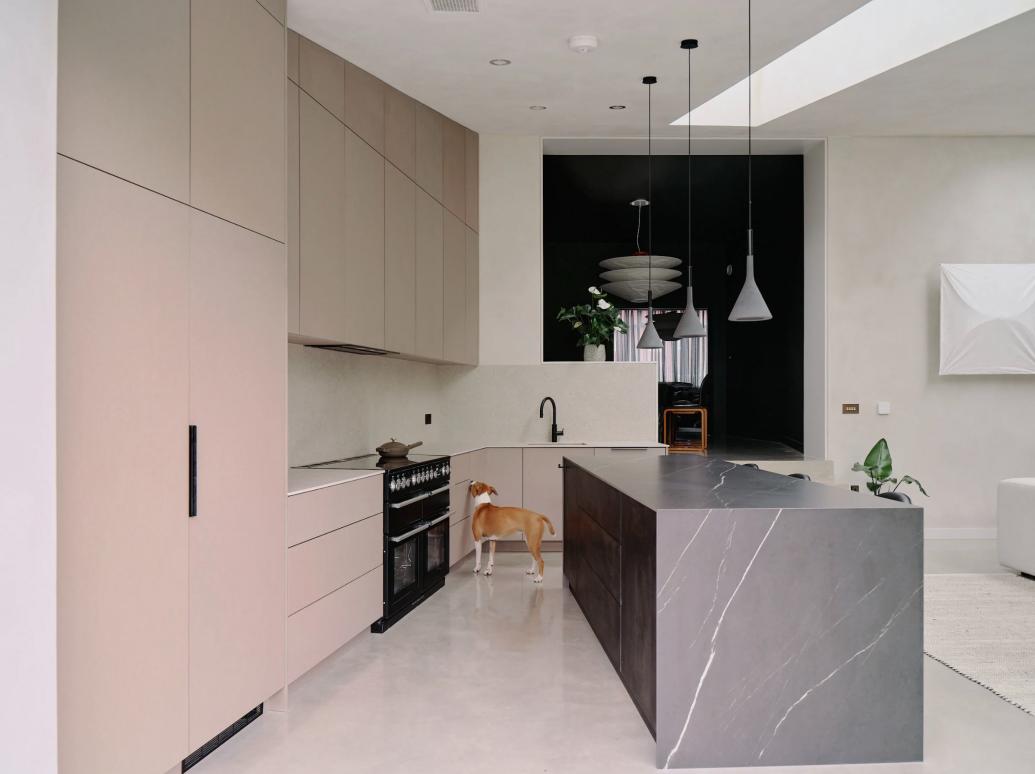
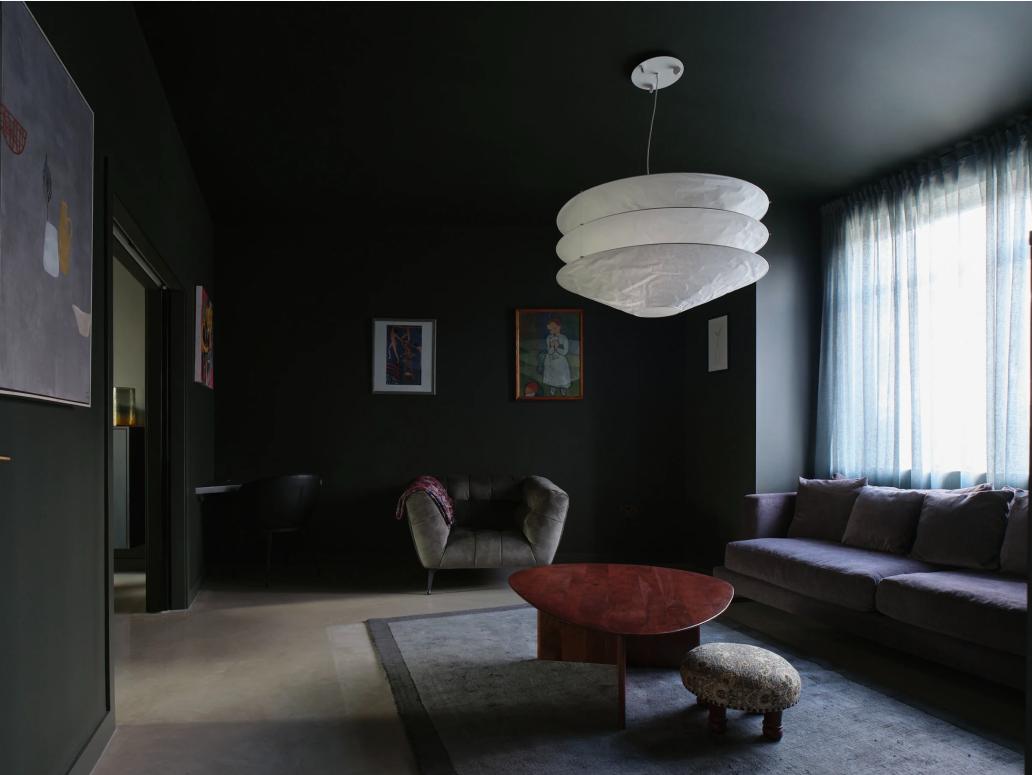
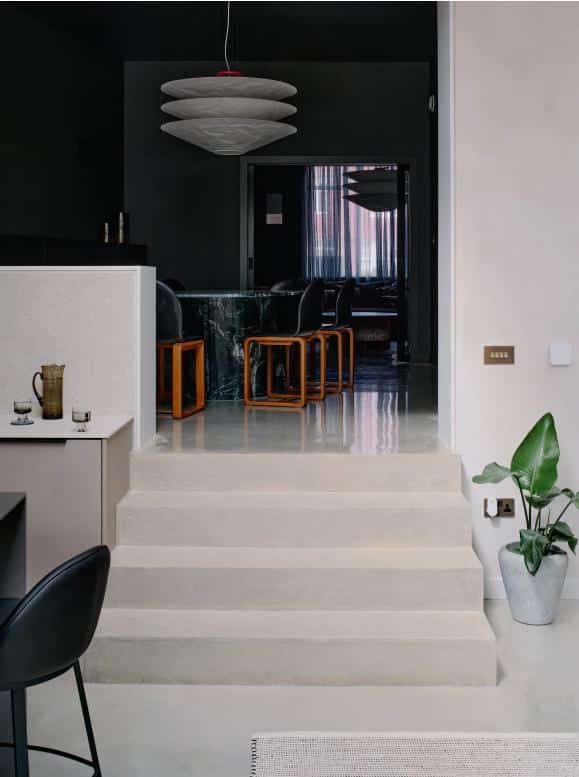
Our architect helped us choose materials like clay plaster, Valchromat joinery and polished concrete which gave the house a modern but sustainable look.
How did planning go, and were there any hurdles around the extensions or sustainability upgrades?
Olly & Anne-Claire: We put in four planning applications: one for the garden studio, one for the rear extension, one for the dormer, and one for a small change to the front. We worked with our architect before we even finished buying the house, so we could submit everything on the day we completed. The council approved everything quickly and without any problems.
This meant we could include features like MVHR, the ASHP, and solar PV in the design without running into planning issues.
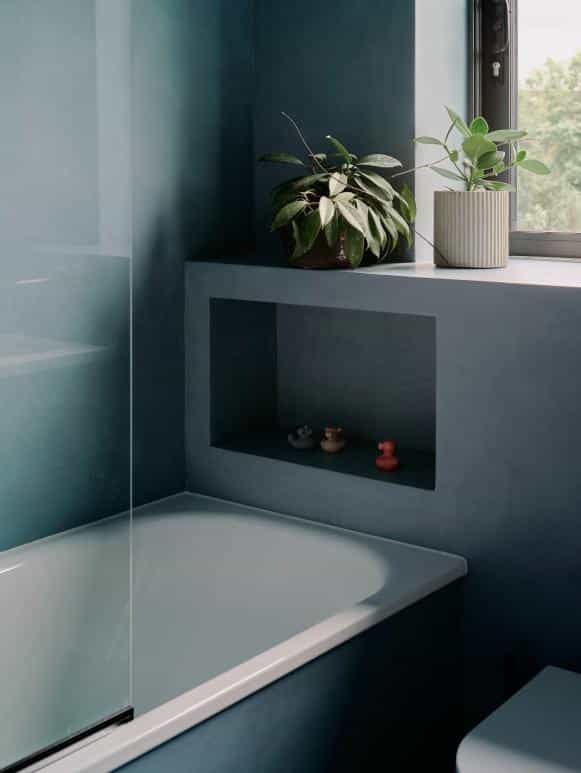
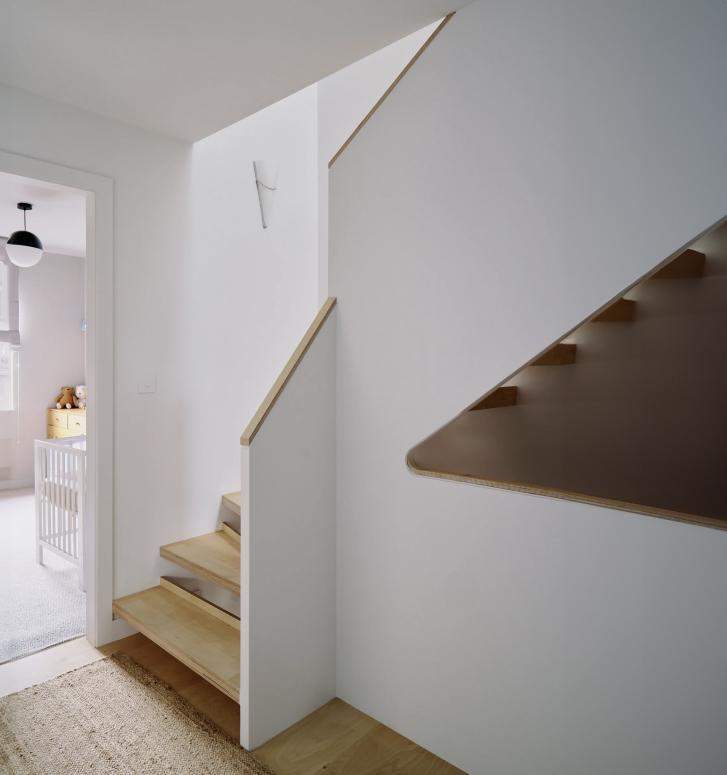
Who actually ran the project on site?
Olly & Anne-Claire: Our architect took care of both the design and project management, and he introduced us to our builder, Edgar from ProHome Construction. At first, we had regular meetings on site, but for much of the build we were abroad and used video calls to keep in touch. We got on well with Sean and Edgar, which made it easy to keep things moving even when we weren’t there. RISE’s project management also made sure the airtightness, insulation upgrades, and MVHR installation were all well coordinated.
What were the major structural changes needed to bring this 1930s house up to scratch?
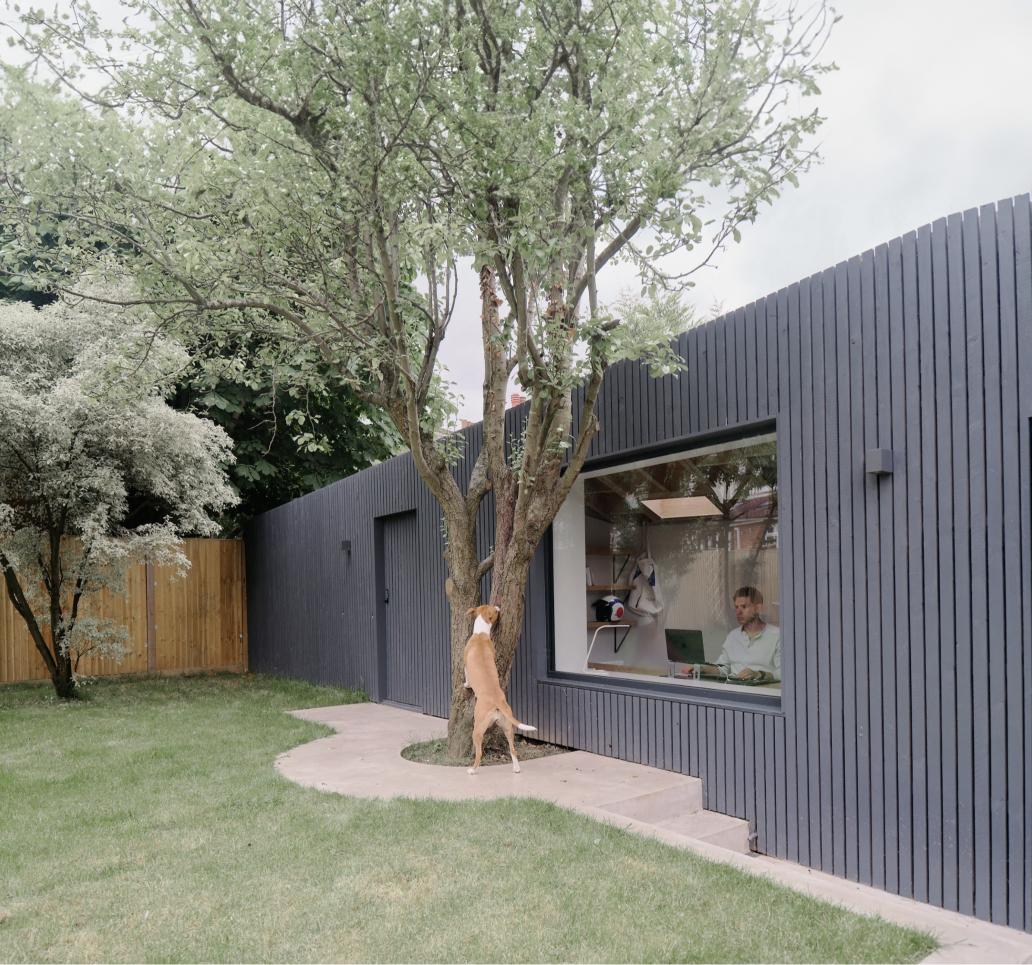
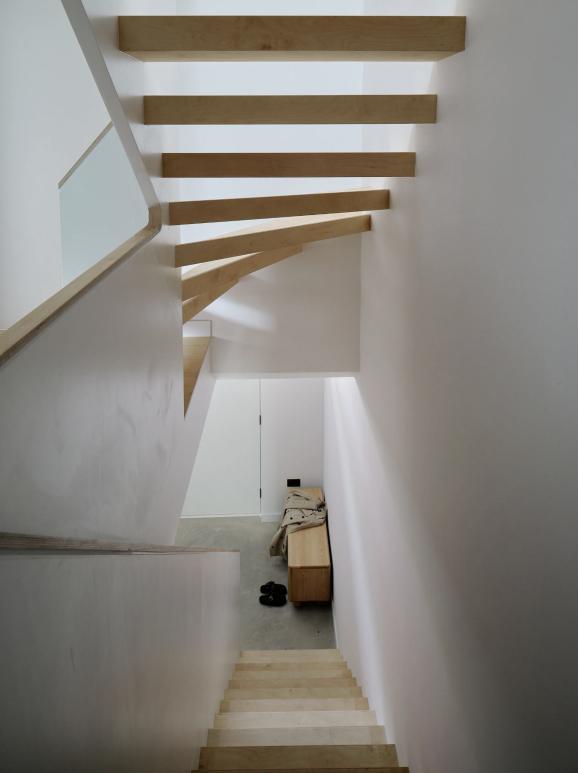
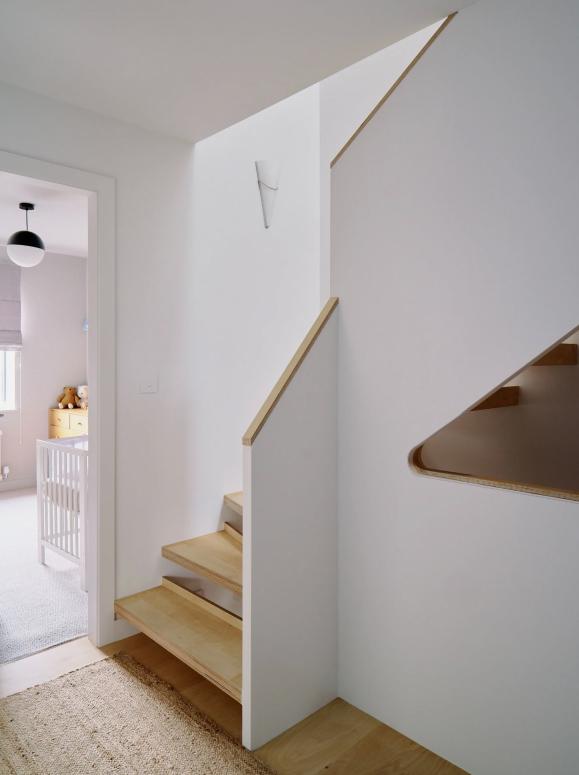
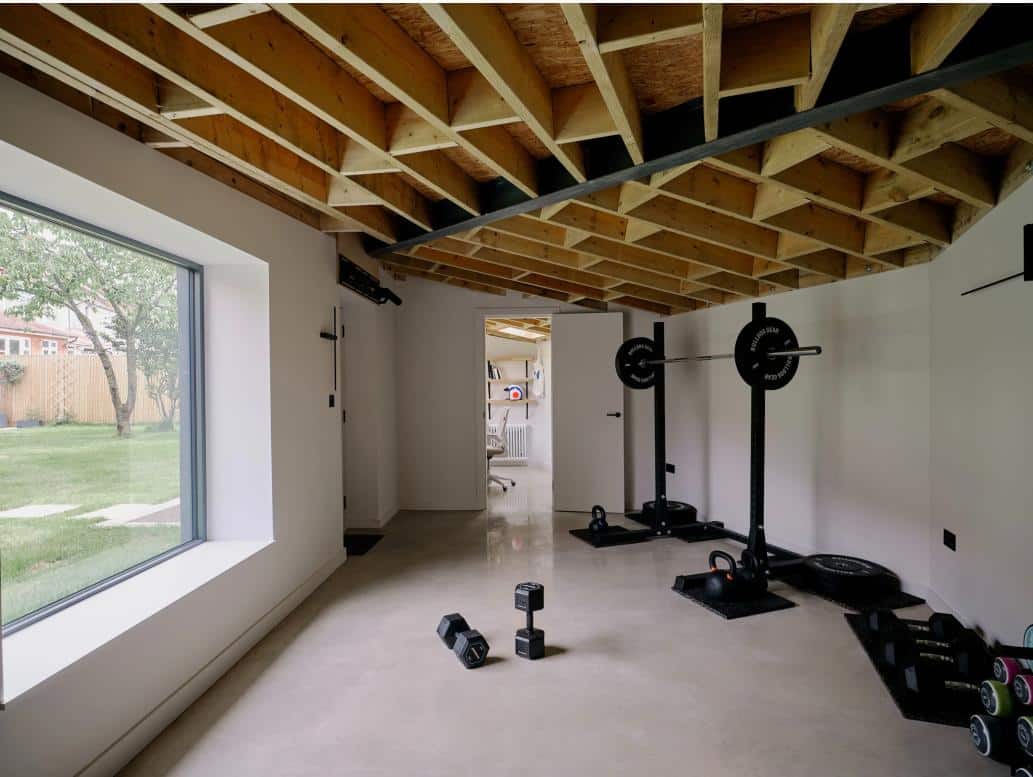
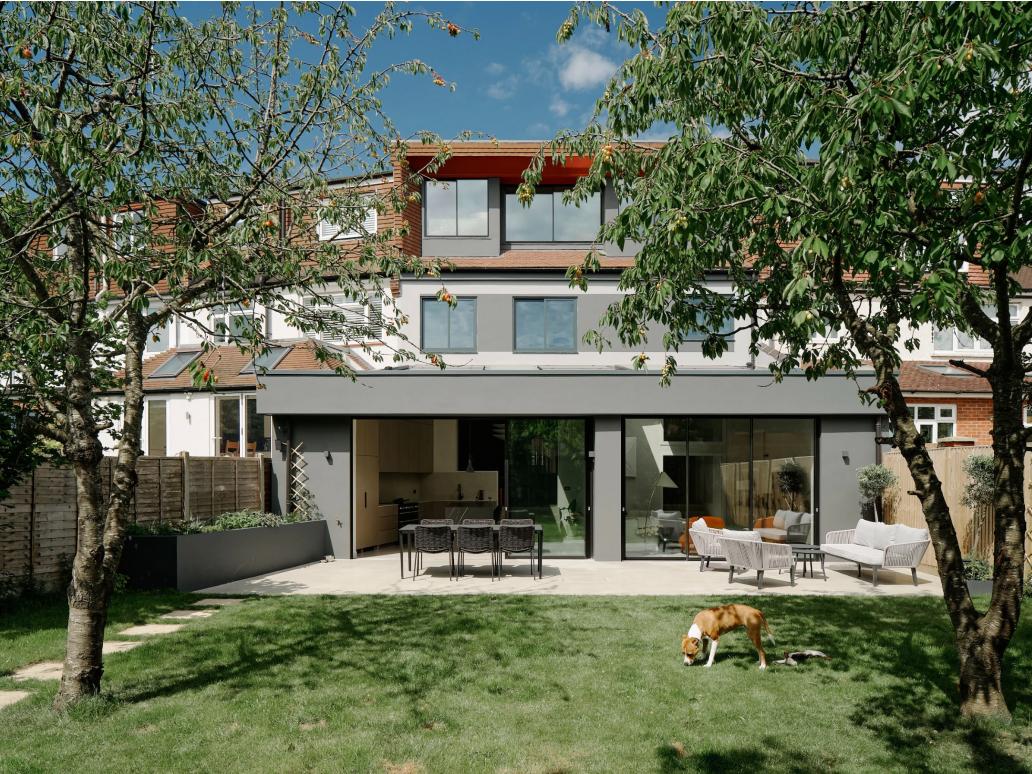
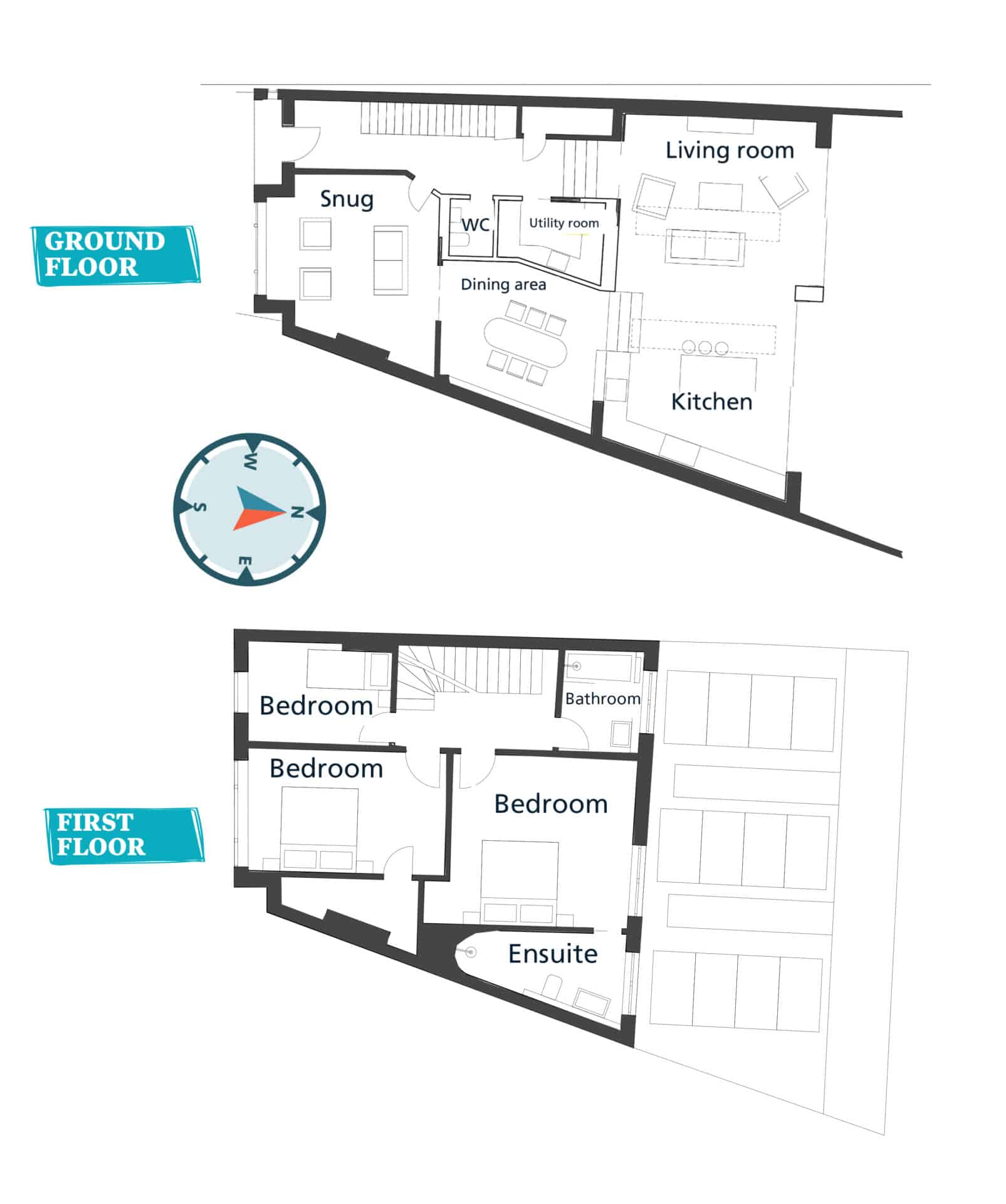
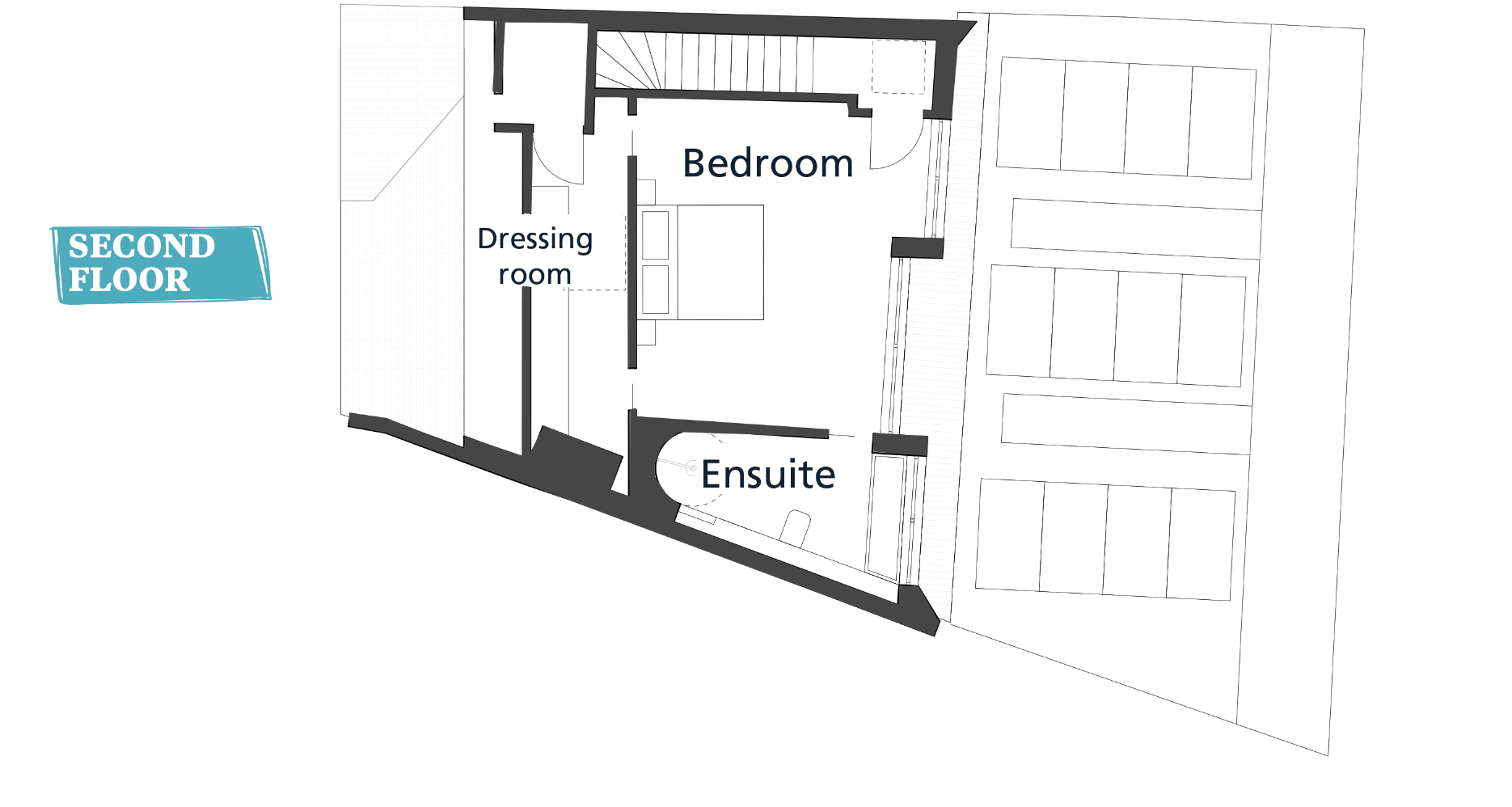
Olly & Anne-Claire: We added a 40 m² garden studio with an office, gym, and bathroom. For the rear extension, we had to dig down to the garden level and do some underpinning. We also put in a dormer. Inside, we changed everything around. Once the scaffolding was up, only the front of the house and the party walls were original.
Improving airtightness, adding lots of insulation, and installing new high-performance windows were key parts of our deep retrofit plan.
What pushed you towards a deep retrofit rather than a standard renovation?
Olly & Anne-Claire: We wanted the house to be ready for the future, not just better than before. Since the structure needed a lot of work anyway, it made sense to go as far as we could with energy performance. We knew energy prices were going up, and a deep retrofit would help keep our bills steady and lower our carbon footprint. It felt like the right time to do it right.
Cutting our energy use by 75 per cent from 38,500 kWh to 9,500 kWh a year showed how worthwhile it was to go for a full EnerPHit-inspired retrofit.
Why did you opt for an all-electric setup – ASHP, MVHR and solar – and how has it performed since move-in?
Olly & Anne-Claire: We liked the idea of new technology and wanted to see how it would affect our running costs. The heat pump has been very efficient, and the solar panels often make more electricity than we use, so we get paid for the extra. That keeps the running costs for a big house surprisingly low. The triple insulation and polished concrete floor with underfloor heating help keep the house warm all the time. The MVHR system also keeps the indoor temperature steady and helps keep our energy use low.
How has the renovation changed the way you live in the house?
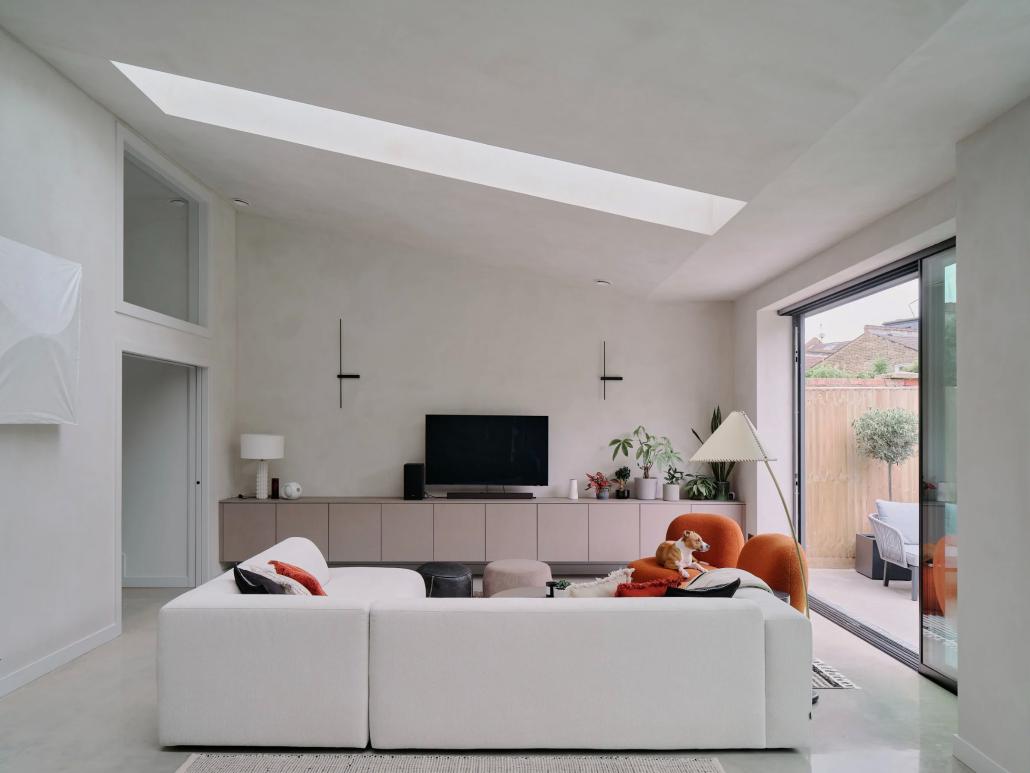
Olly & Anne-Claire: We hadn’t lived in the house before, but moving from a flat in central London to a home with separate spaces has made a huge difference. Hybrid working is much easier, especially with the garden studio, and family life runs more smoothly because we have space to spread out. The open-plan rear living area connects directly to the garden, which was a big design goal, and it’s changed how we use both the inside and outside spaces.
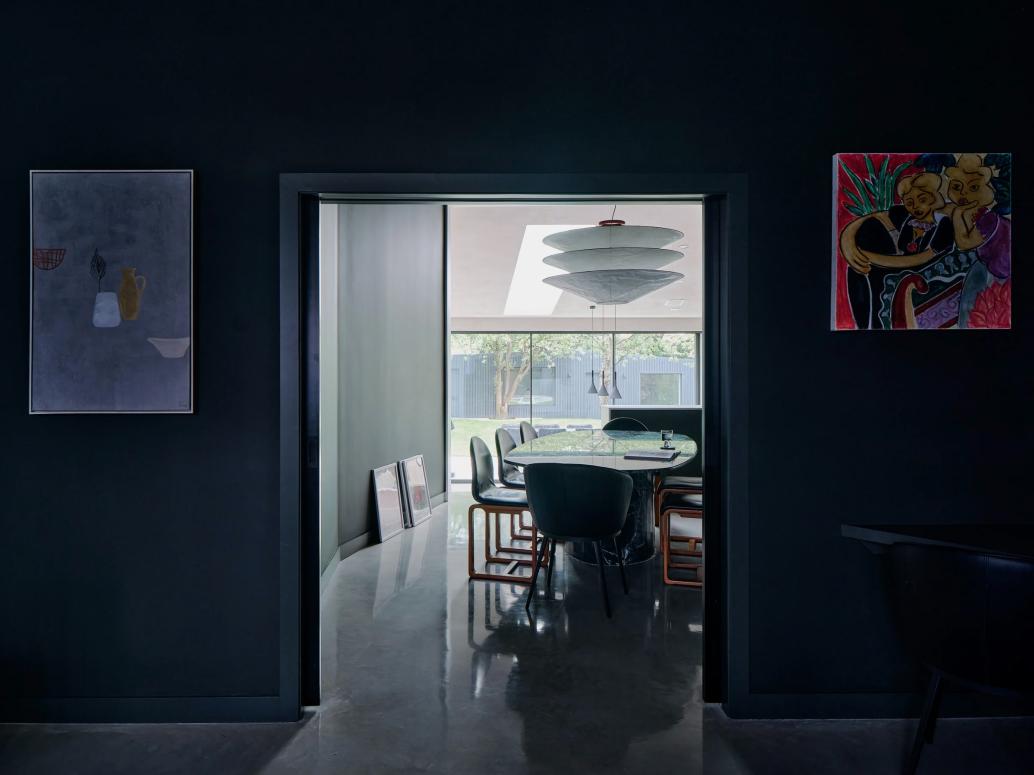
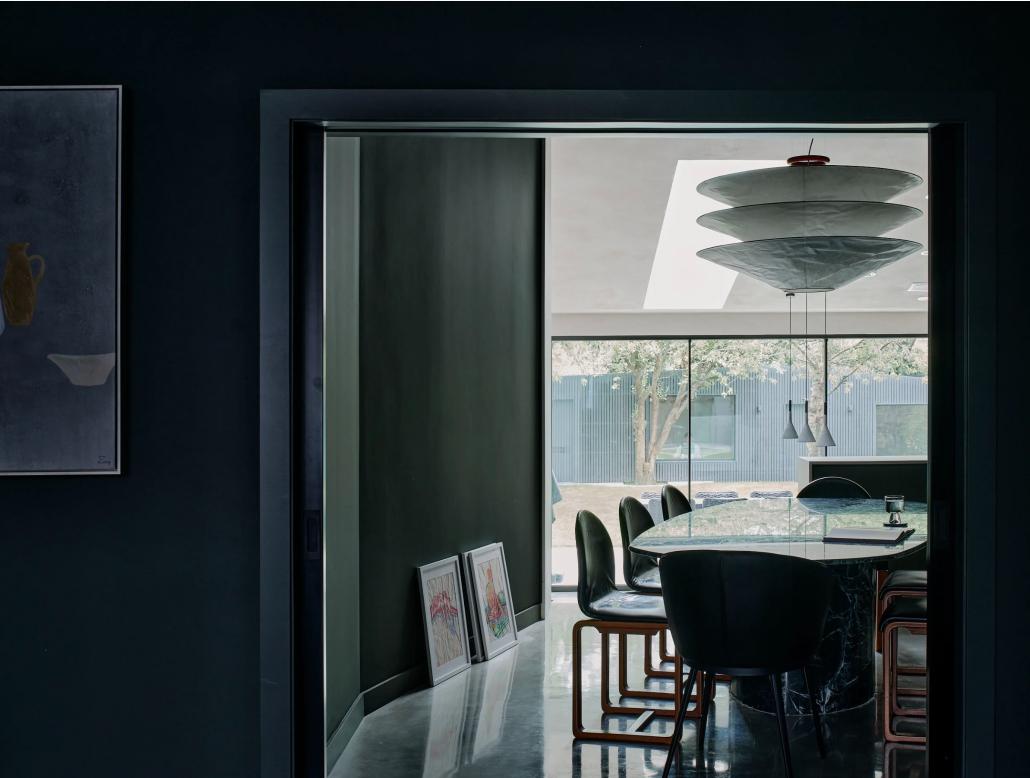
How did you approach the interior design?
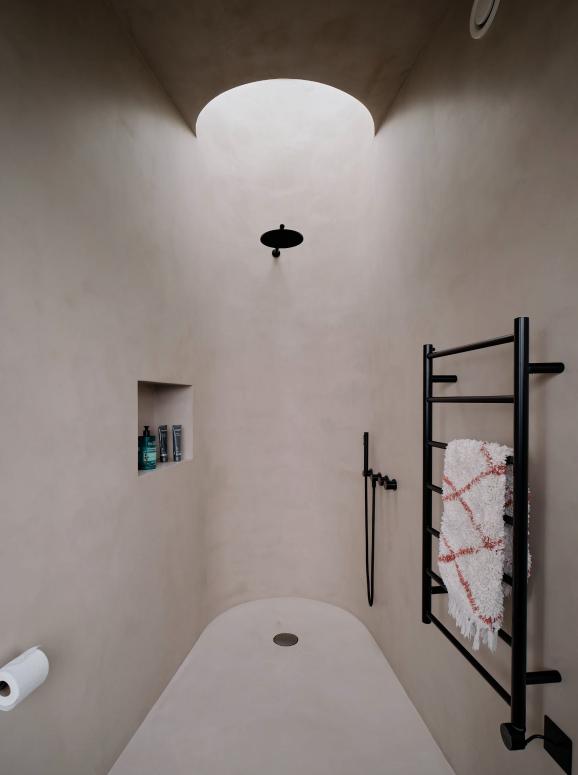
Olly & Anne-Claire: We didn’t have a set idea for the interiors. Our architect showed us materials we wouldn’t have found on our own. We decided not to hire an interior designer and did everything ourselves. Some of our main choices were clay plaster in the rear living space and microcement in the bathrooms. We kept the look calm and simple. Using recycled-fibre Valchromat for the kitchen and joinery added another sustainable, low-VOC touch.
Were any of the energy-efficiency upgrades tricky to deliver in a mid-terrace home?
Olly & Anne-Claire: Since we rebuilt almost the whole house, it was easier to add high-performance features than it would have been with a smaller renovation. It would have been very hard to reach the same energy standard without doing so much work, especially with the amount of insulation we used. Being mid-terrace meant we had to pay special attention to airtightness, especially around the party walls and where old and new parts met.
Did you redesign the garden, and how does the studio fit into how you now use the outdoor space?
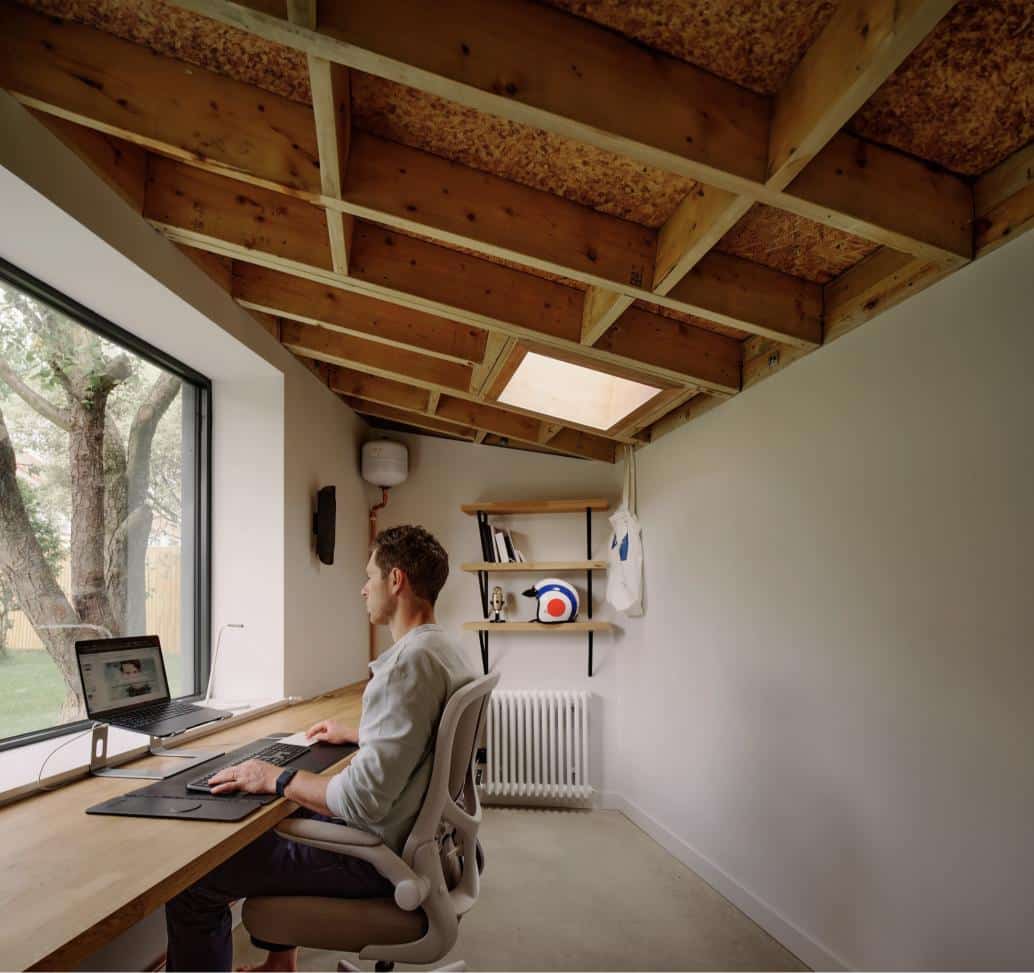
Olly & Anne-Claire: The garden already had three mature fruit trees in good spots, so we kept them. Other than making the patio bigger, we didn’t do much landscaping. The studio helped square off the garden, which used to be an odd shape, and it gives us privacy from the neighbours behind. Now, the studio is a proper home office, so we don’t have to commute and it helps separate work from home life.
How involved were each of you in the design and decision-making along the way?
Olly & Anne-Claire: We wanted to be involved, so we spoke with RISE and Edgar almost every day. After a year, we definitely felt decision fatigue, but it meant the finished house really felt like ours. We were especially involved in choices about the kitchen layout, the open-plan rear area, and how to bring in the garden views.
Did any unexpected challenges crop up during the build, and how did you deal with them?
Olly & Anne-Claire: The biggest surprise was having to put in a new drainage and pumping system under the garden for both the main house and the studio. It was expensive and messy. We also had to pile the studio foundations because of tree roots. Other changes were smaller, like lowering a ceiling for the MVHR ducting. Making sure all the retrofit technology worked together, like keeping airtightness around new ducting, meant we had to make a few adjustments on site.
Now that you’ve lived in the home for a while, how is it performing in terms of comfort, energy use and day-to-day living?
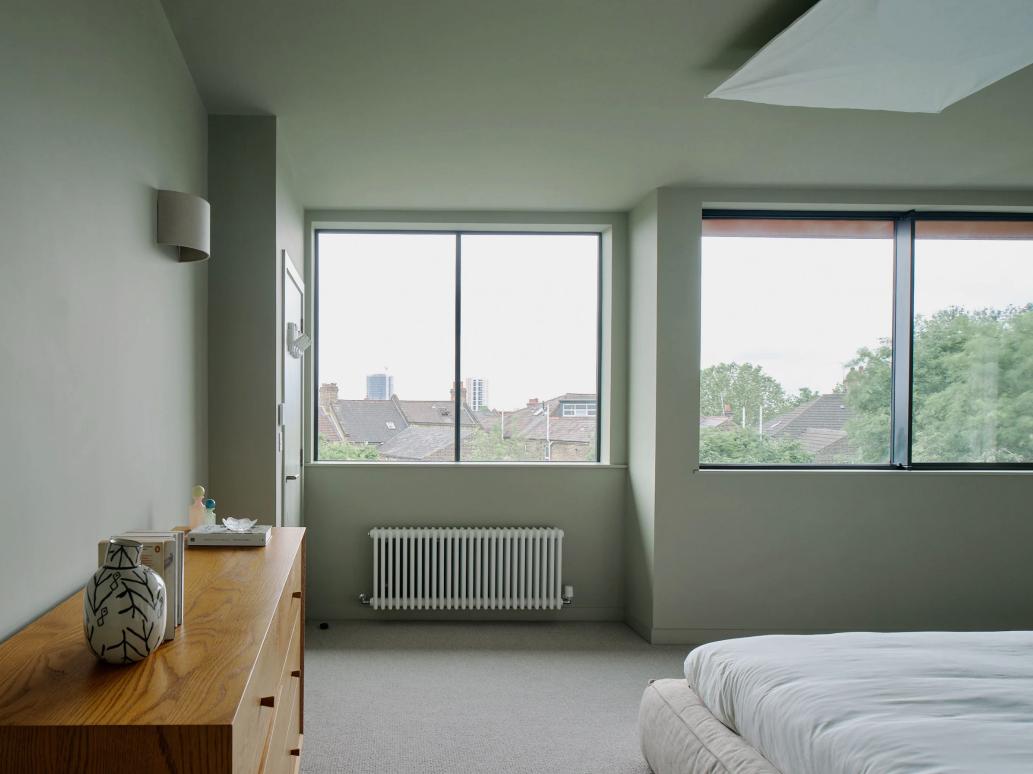
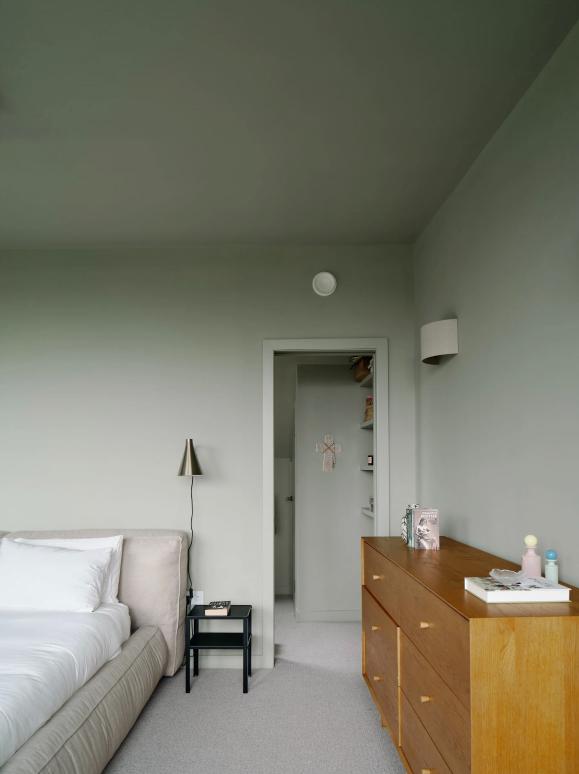
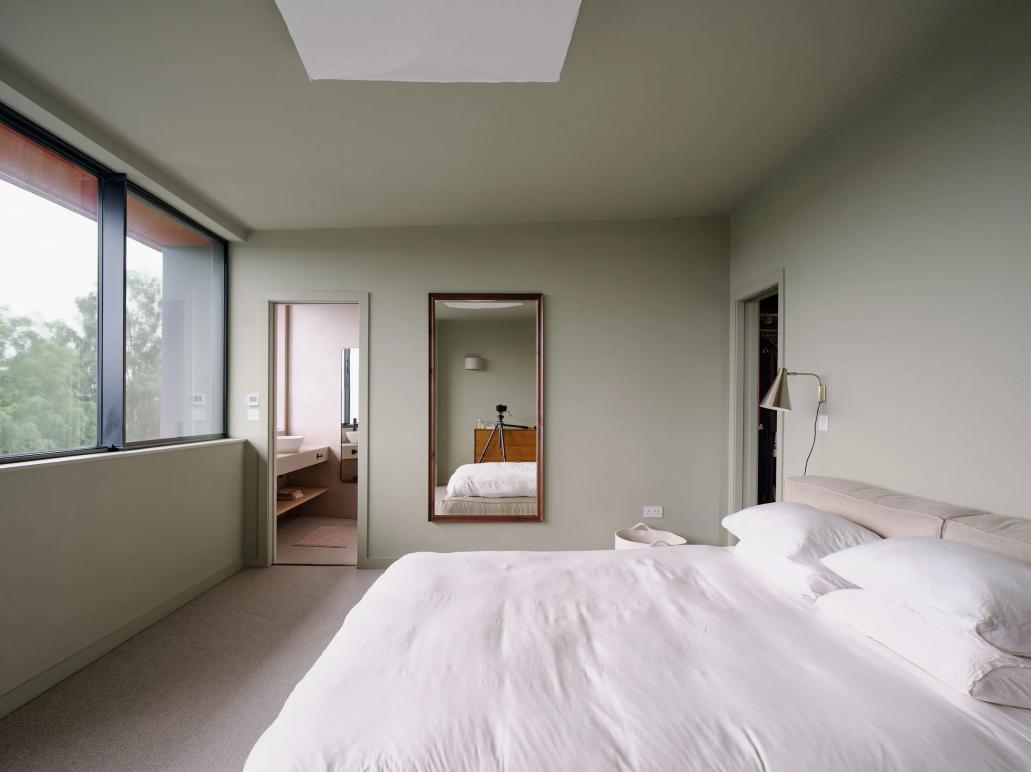
Olly & Anne-Claire: We’re really happy with how the house works. It’s warm, quiet, well-ventilated, and bright. It does exactly what we hoped, given the shape of the plot, and there’s very little we’d change. With the ASHP, MVHR, solar PV, and lots of insulation, the house performs much better than standard Building Regulations.
Looking back, is there anything you would do differently?
Olly & Anne-Claire: If we could change anything, we might have made the garden studio bigger. There’s no way to make it larger now because we can’t get machinery in. The garden is already bigger than we need, so we could have added another bedroom in the studio, but that would have depended on the budget.
Top tip
Build a really good relationship with your contractor.
Timeline
Planning applied: August 2022
Planning granted: September 2022
Build started: November 2022
Build finished: February 2024
Move-in date: February 2024
Spec for deep retrofit 1930s home
Walls: 92.5 mm internal wall insulated plasterboard to all existing walls
Roofs: 300 mm insulation installed in flat roof areas, 250mm insulation to sloped roof areas and 300mm to dormer face and cheeks
Floor: 100 mm floor insulation throughout the ground floor, 100mm insulation to floor joists of first and second floors
Windows: Aluminium frame, double glazing. U value: 1.1W/m2. G value: 0.37
Suppliers
Polished concrete floor: Polish Concrete Floor Company
Heat pump, heating system and solar: Next Step Heating
Mechanical ventilation with heat recovery: Heat Space and Light
Clay plaster: ClayWorks
Bathroom furniture: Lusso Stone
Microcement (bathrooms): Remjo
Photographer: Henry Woide