In this article we cover:
- How to budget a self-build using a fixed mortgage cap
- Why working backwards from your total pot can prevent overspending
- How to break a self-build budget into realistic build stages
- Why a fabric-first approach helps protect long-term value
- How to track spend clearly with a simple spreadsheet
- How to make design compromises without losing sight of the overall vision
- Why shared visibility around money can reduce stress during a build
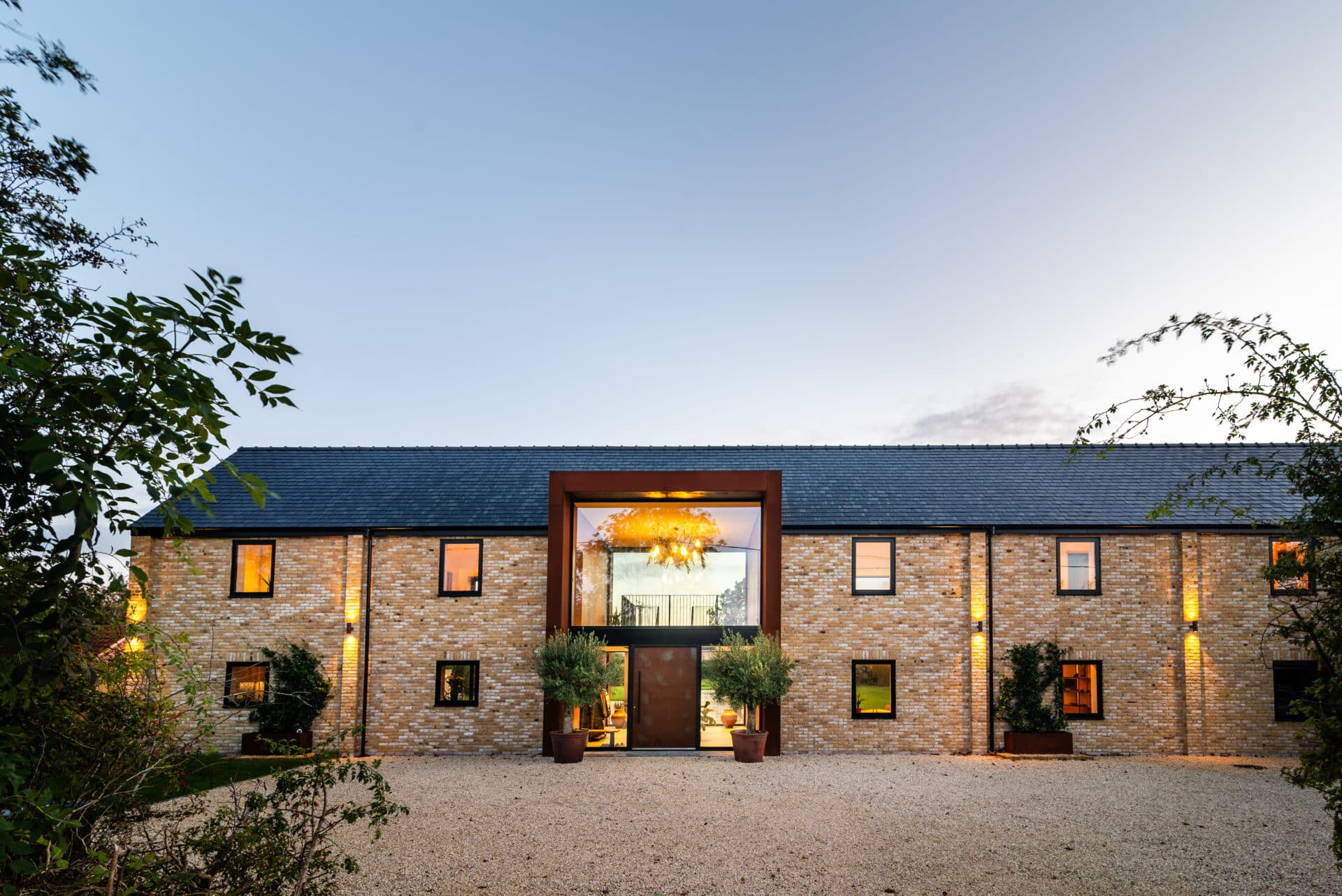
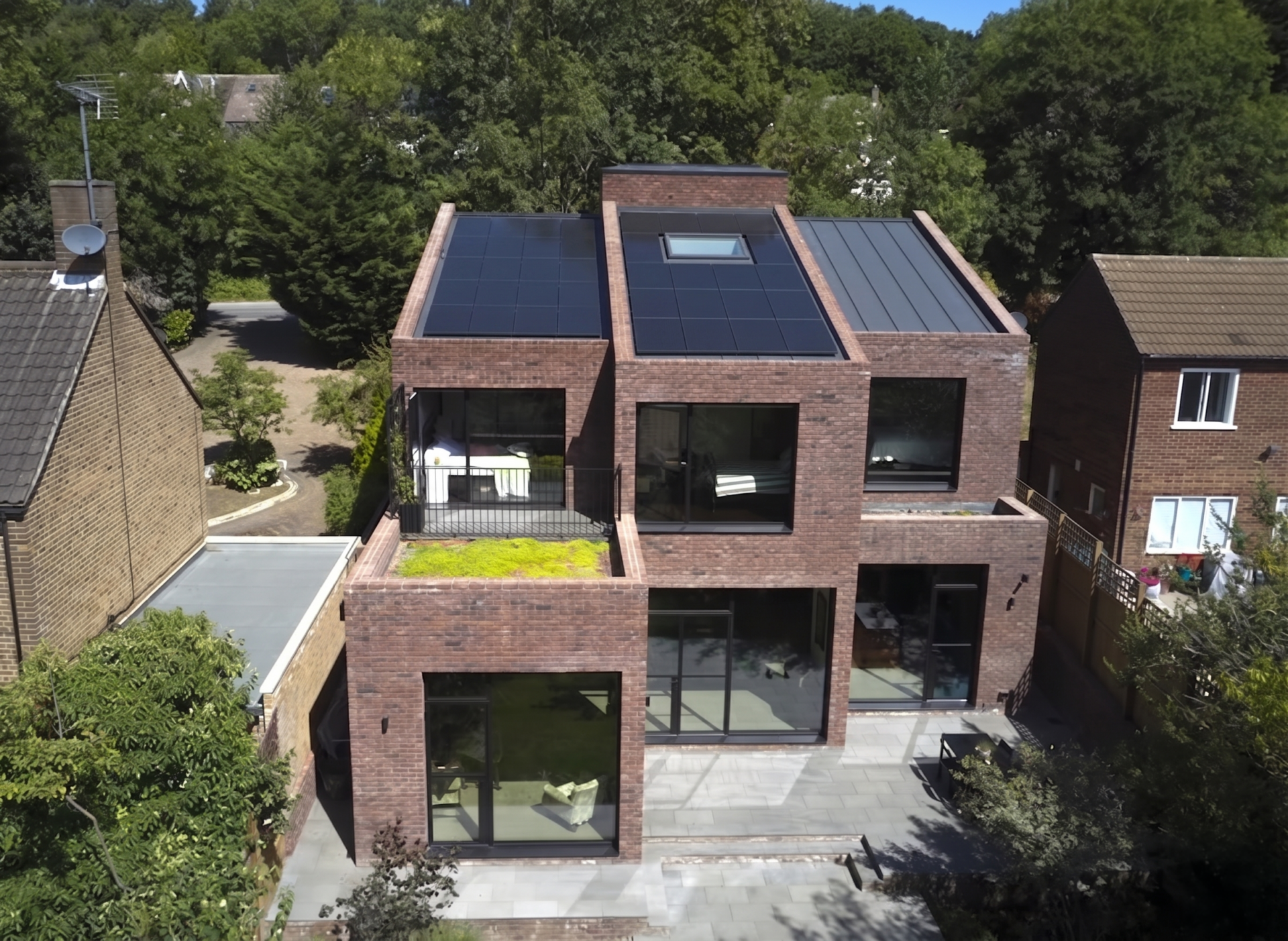
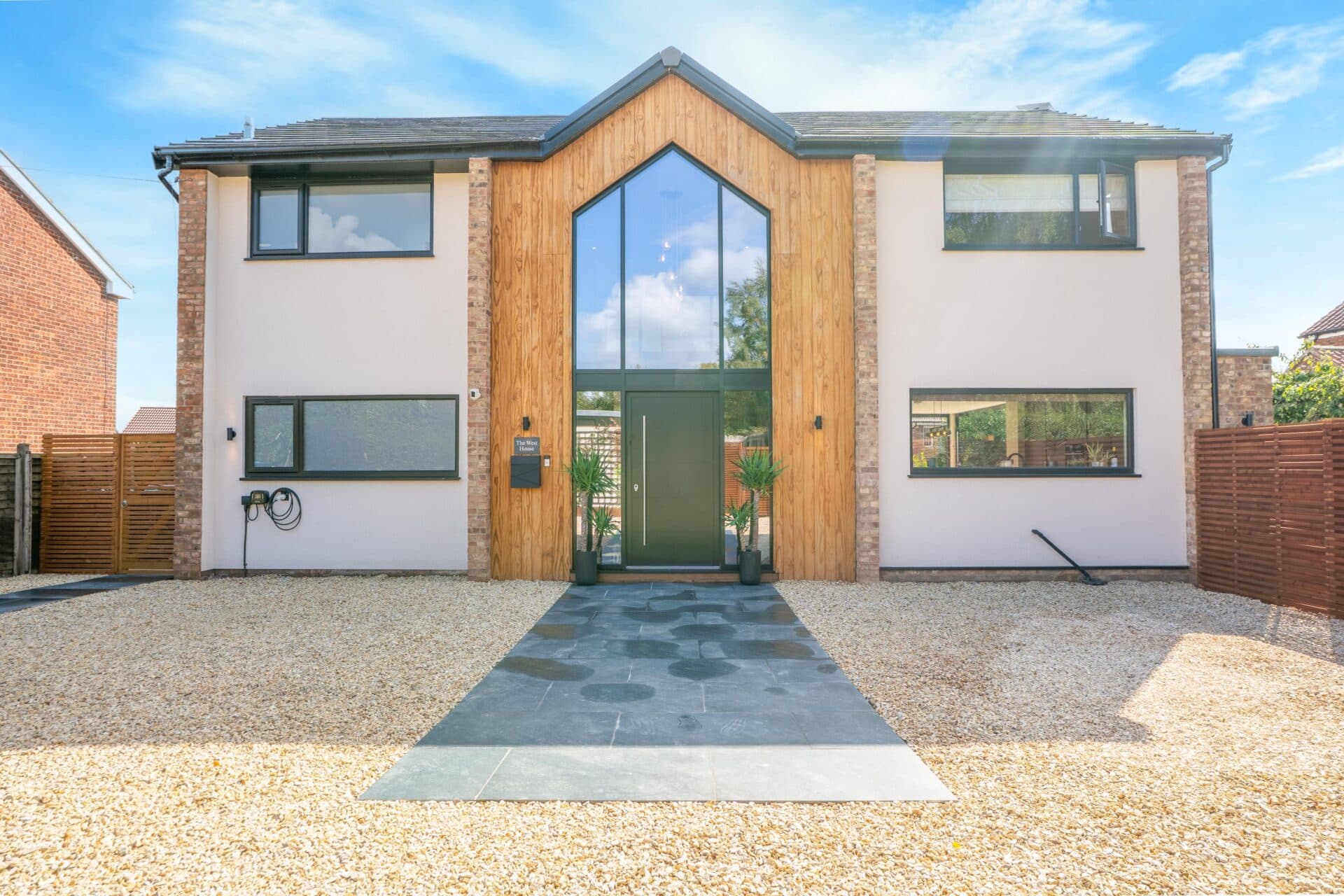
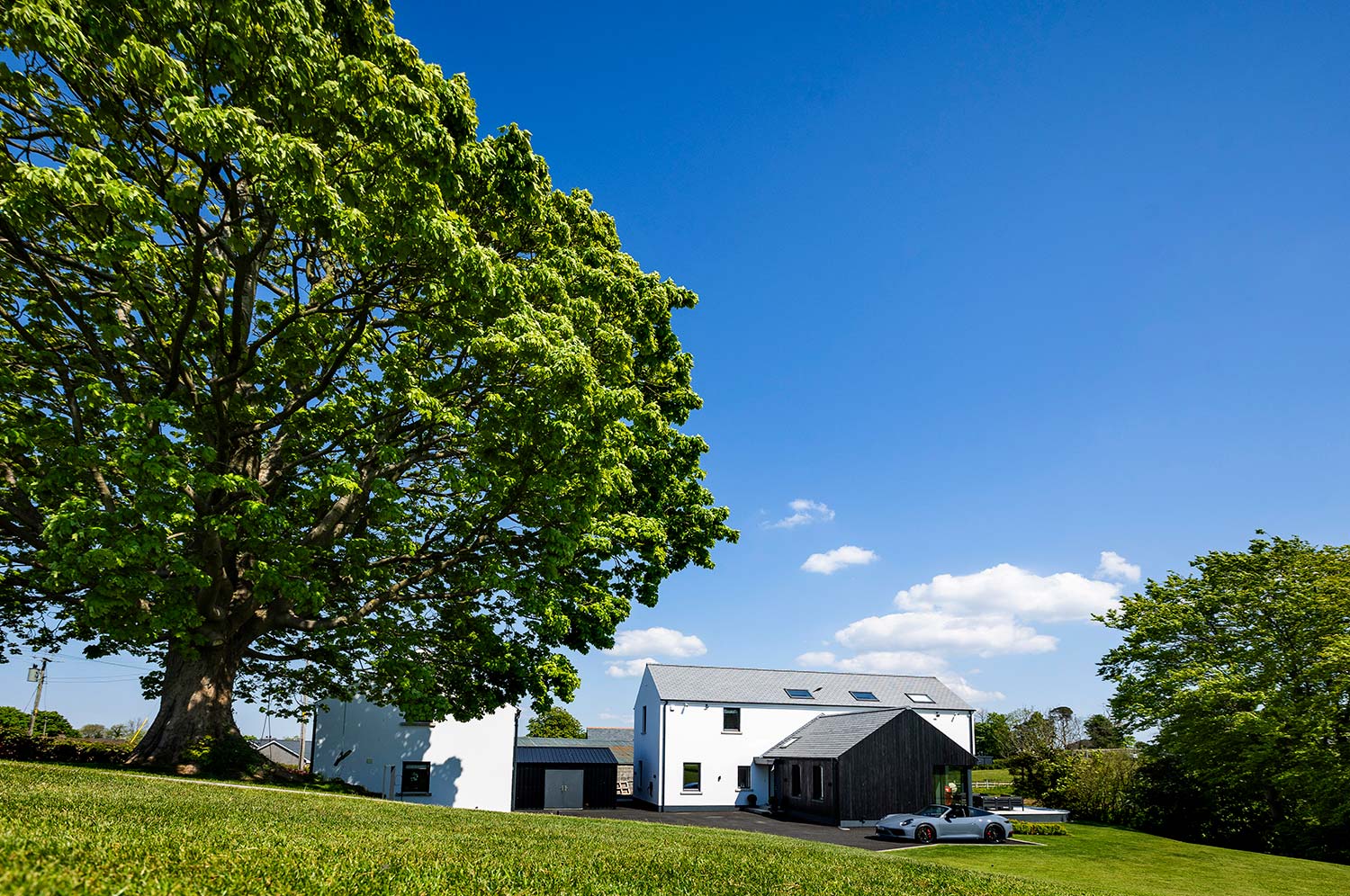
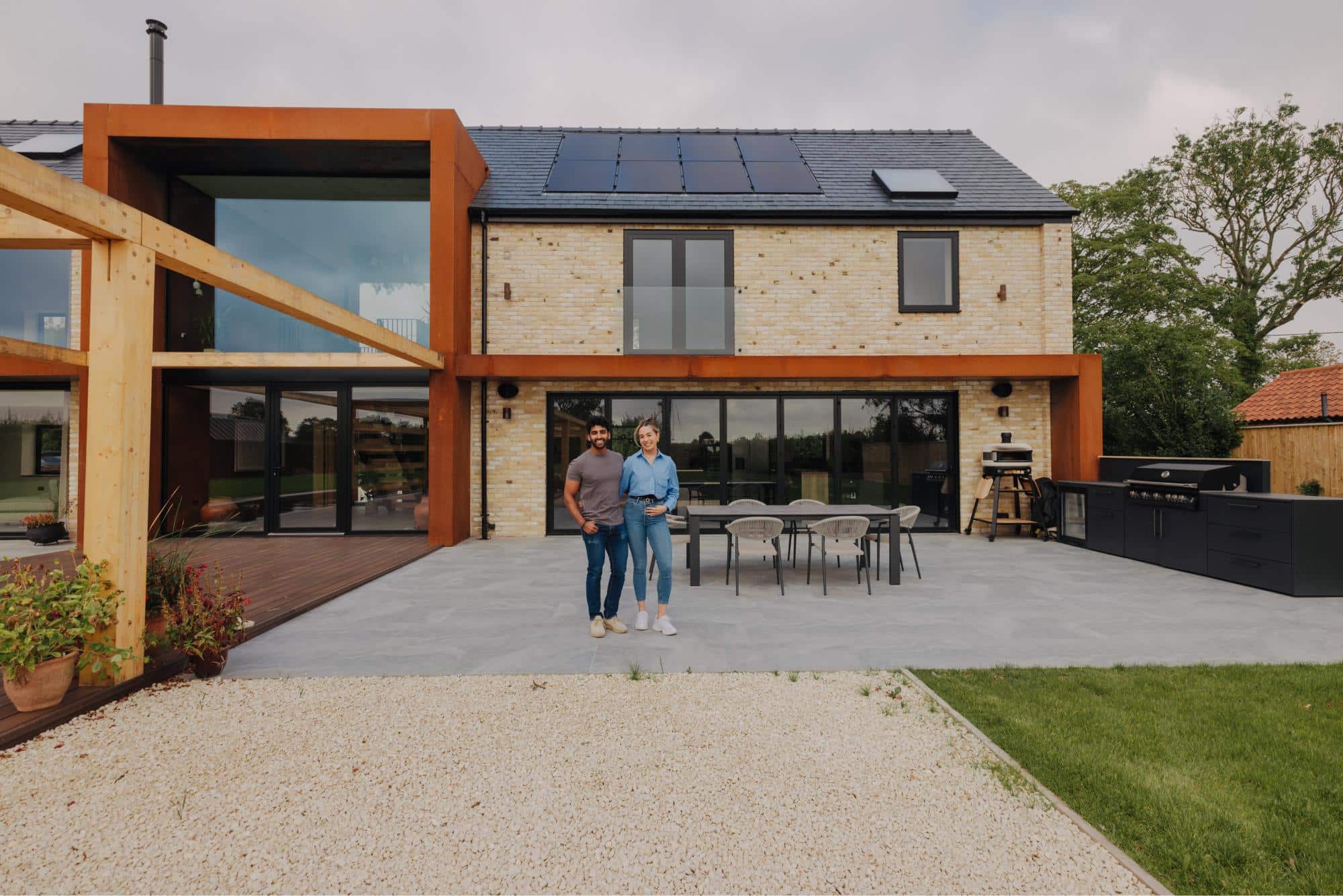
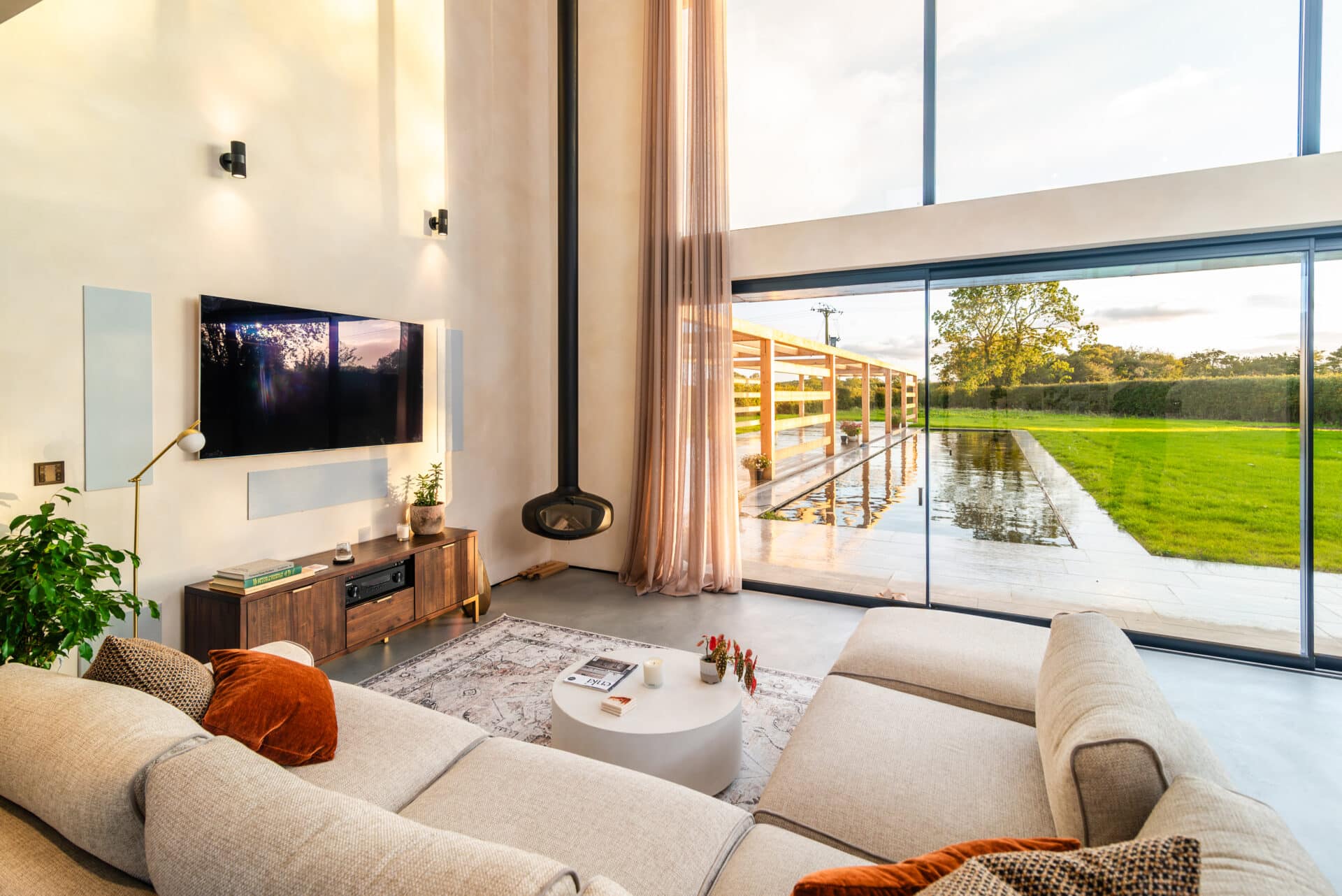
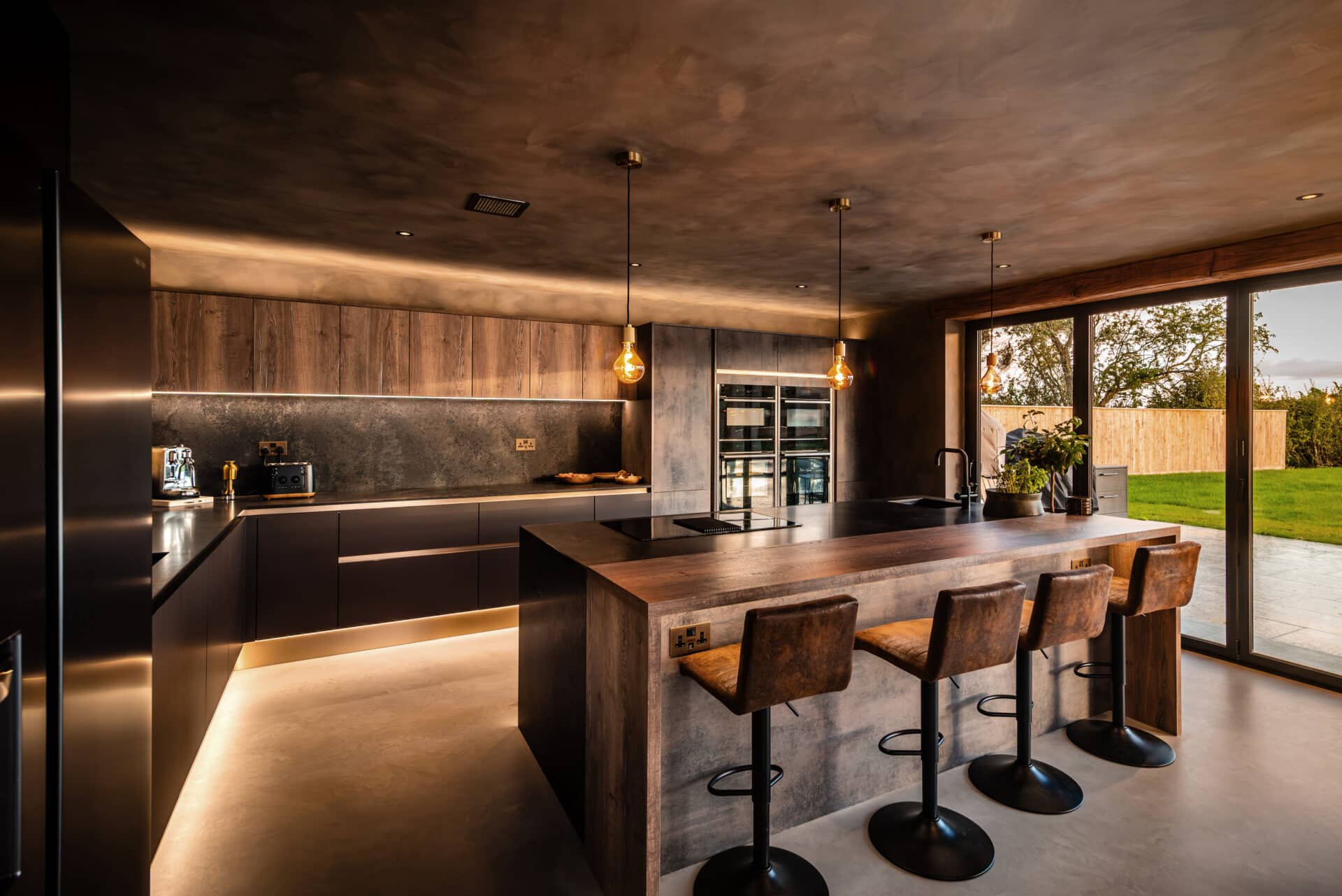
When people visit our home in the Lincolnshire Wolds, they usually see the architecture first: the modern lines, the big panes of glass, the sense of light and space. Then, when they hear it’s a self-build based on a 19th-century malt house that once stood on the site, their next question is almost always the same: “How on earth did you manage the budget?”
I work in tech and, since finishing this project, I now coach other people through their self-builds. My partner Zara has been a makeup artist for more than two decades. Neither of us came from a construction or finance background. What we did have was a clear vision for the house we wanted, and a very finite amount of money to build it with, governed from day one by a self-build mortgage. That constraint shaped everything.
The site we chose wasn’t a blank canvas. Historically, there had been a 19th‑century malt house there, and we were both drawn to the idea of reinstating that building in a new form. We wanted to respect the story of the place, but interpret it as a modern, sustainable home.
At the same time, there was nothing romantic about the numbers. As two working professionals, we weren’t cash buyers. Our project lived or died by what a self‑build lender was prepared to offer us.
That meant our very first hard reality was not a mood board or a drawing – it was a total figure on a mortgage agreement. Whatever we did, however creative or ambitious we felt, it had to sit within that cap.
Instead of starting with a dream list of features and asking, “How can we make this fit?”, we flipped it around. We asked: “Given this total sum, what is the absolute best home we can build?”
That shift in thinking was crucial. The budget wasn’t an afterthought; it was the frame that held the entire project together.
Working backwards from a fixed pot
Once we knew the total amount the mortgage would give us, we began working backwards. Step one was accepting that a chunk of that total would disappear immediately into the cost of land. Only once we had taken the plot out of the equation did we see what we truly had left to build with.
From there, we treated the build like a series of stages, because that’s how the lender viewed it. The mortgage would be released in tranches: money for foundations, money for getting the house wind and watertight, money for first fix and so on. Rather than fight that structure, we used it to our advantage.
I sat down and broke the remaining budget into these stages. Foundations and groundworks received one allocation, the structural shell and glazing another, then first fix, second fix and finally the more cosmetic elements – kitchen, bathrooms, flooring, landscaping. Each stage had a number beside it, and that number was not theoretical. It was directly tied back to the total pot we were never allowed to exceed.
Very quickly, it becomes sobering. You see, in black and white, the fact that you cannot have everything. If you add five thousand pounds here, you must take it away from there. The budget becomes less of a wish list and more of a balancing act.
Fabric first, finances second – and then finishes
From early on, Zara and I agreed on one principle: the things you cannot easily change later must come first, both in planning and in spending.
That meant the fabric of the building took priority over the fashionable bits. Insulation, airtightness, the quality of the windows, the structure itself – these were non‑negotiables. If we got those wrong, no amount of beautiful worktops or tiles would fix it.
This “fabric‑first” mindset dovetailed neatly with the staged budget. The early stages – foundations, frame, roof, windows – already accounted for a significant portion of the money. Instead of fighting that, we leaned into it. We accepted that a large slice of the budget would disappear before anything remotely Instagrammable appeared on site, and that this was not only fine, but desirable.
It also helped emotionally when compromises arose. If we reached the later stages and realised the exact kitchen we had imagined wasn’t possible without blowing the budget, we could remind ourselves that kitchens are replaceable. Retrofitting insulation into external walls or upgrading all the glazing is not.
Spreadsheet visibility
Zara, coming from outside the building world, expressed it simply: you can live with a more modest kitchen for a few years. You can’t easily live with a cold, draughty house you can’t afford to improve.
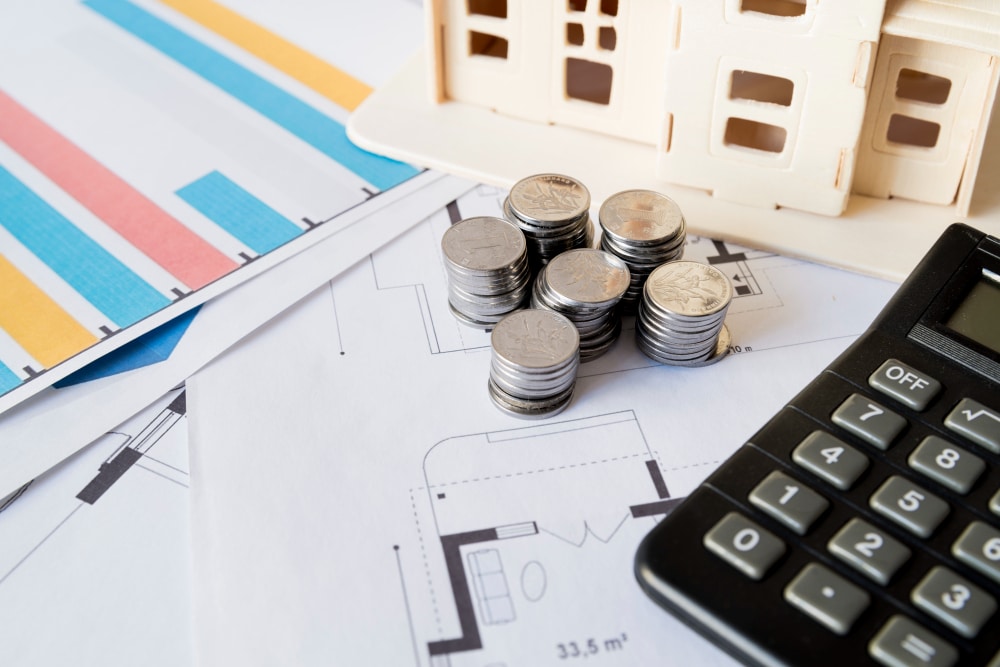
To keep track of all this, I built a spreadsheet. It wasn’t a complicated financial model, just a clear, structured way of seeing where the money was going. Each stage of the build had its own section with an allocated amount. Every time we spent anything significant – a deposit for the timber frame, payment for the foundations, a quote accepted for windows – that figure went into the sheet.
The effect of doing this consistently was powerful. Instead of vaguely feeling that we were ‘probably okay,’ we could see, in real time, whether a particular stage was running hot or cold. If foundations came in higher than hoped, that stage would display an overspend, and we knew we had to respond. If we managed to save on something in the shell or first fix, we could see a little breathing room opening up later.
Just as important as the tool itself was the way we used it as a couple. I have a natural inclination towards numbers; Zara doesn’t. So I made a point of keeping the layout clean and easy to read, with clear labels and colour coding, and we made a habit of looking at it together.
Whenever a large payment was due to leave the account, we would talk about it. Not to seek permission from each other, but to make sure we were both aware of how that decision affected the project as a whole. That shared visibility stopped money from becoming a source of tension. We were always on the same page.
The romance versus the reality
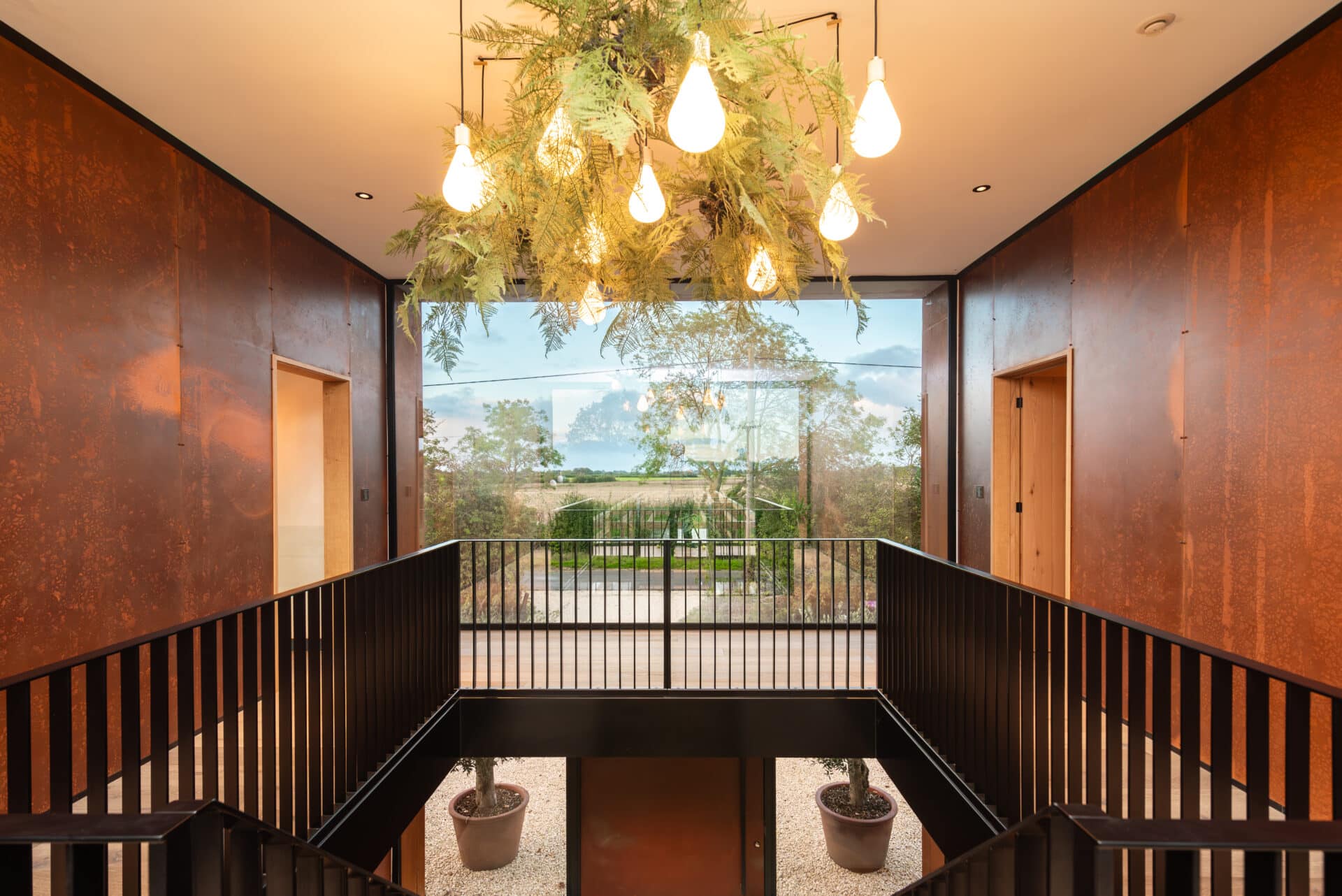
It would be easy to tell this as a purely romantic story about reviving a historic malt house on a hill and turning it into a modern eco home. And there is real romance in it: the way the building sits in the landscape, the light that floods through the big windows.
But none of that exists in isolation from the financial structure behind it. Every aesthetic decision had a budget shadow: How much glass can we afford before we compromise elsewhere? Can we justify that structural solution within the mortgage release for this stage? If we say yes to this upgrade, what are we prepared to scale back?
Some ideas stayed on the drawing board because the numbers didn’t support them. Others made it through because we were willing to compensate elsewhere. But the constant reference point was always the same: the total figure the lender had given us at the start, and the staged allocations we had worked out from it.
When I coach people now, this is what I emphasise most strongly. Your lender’s cap is not there to crush your dream; it is there to define its edges. If you let that figure guide you from the outset, and you work methodically backwards into what is possible at each stage, you can build something special without sleepwalking into financial trouble.