In this article we cover:
- What inspired the couple to build their own lochside longhouse
- Why they decided a timber SIPs kit was the right choice for their retirement home
- How they managed planning, access, stony ground and on-site construction challenges
- How they approached insulation, glazing, layout and energy-efficiency decisions
- What the finished home offers in terms of comfort, style and lochside living
General Overview
House size: 180sqm
Plot size: 1.5 acres
Bedrooms: 3
Total build cost: £450k
Current value: c.£650k
Heating: Electric, underfloor heating
Ventilation: Mechanical Ventilation & Heat Recovery (MVHR)
Build method: SIPs
Did you plan to self-build from the start, or was it a bit of a happy accident?
We didn’t set out with a strong intention to self-build. We were thinking about retirement and looking vaguely at houses in the area. When we came across the plot, we fell in love with it and decided we had to have it, even though we didn’t have plans initially. We ended up self-building because the plot inspired us.
How did the site itself shape your design ideas?
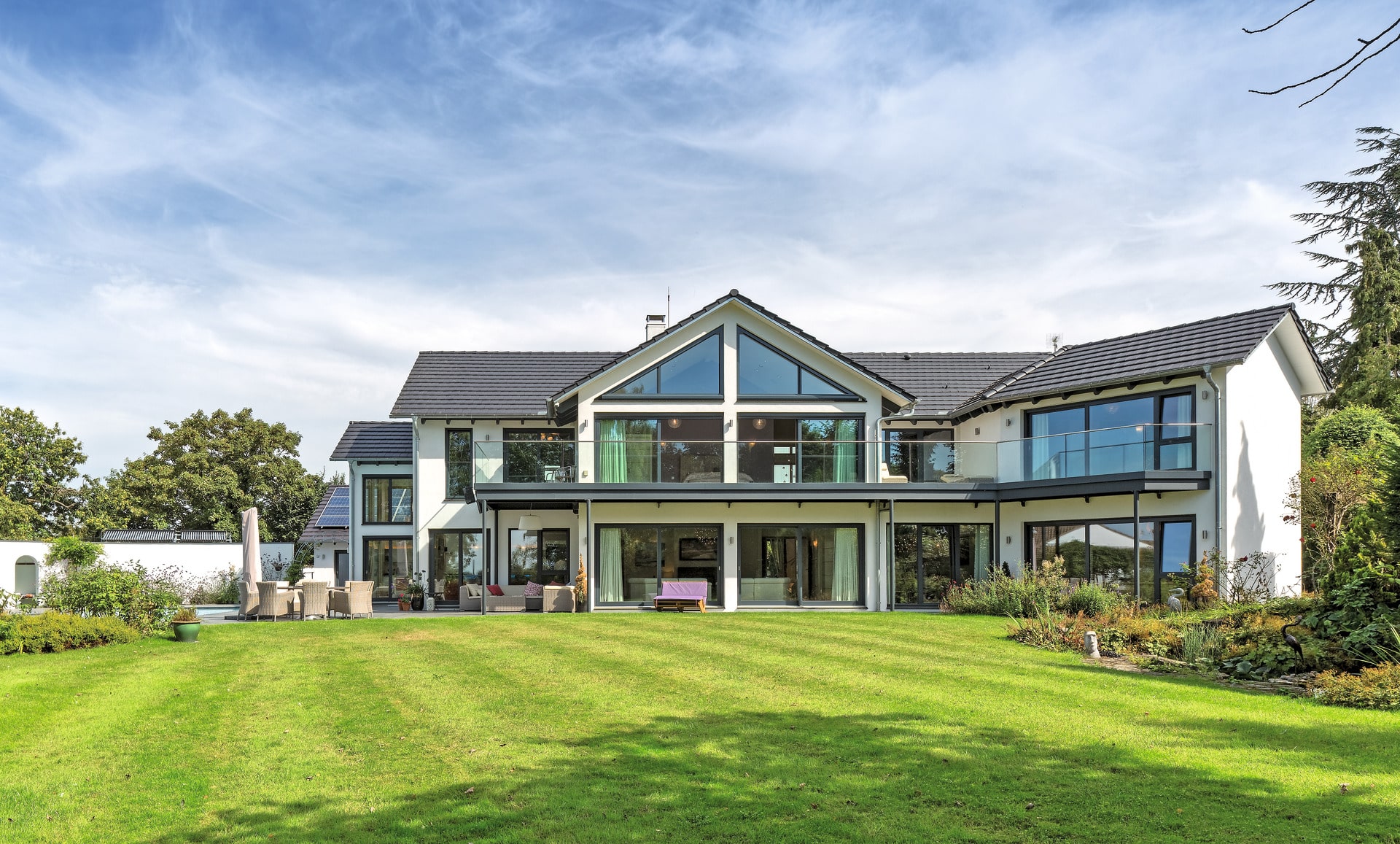
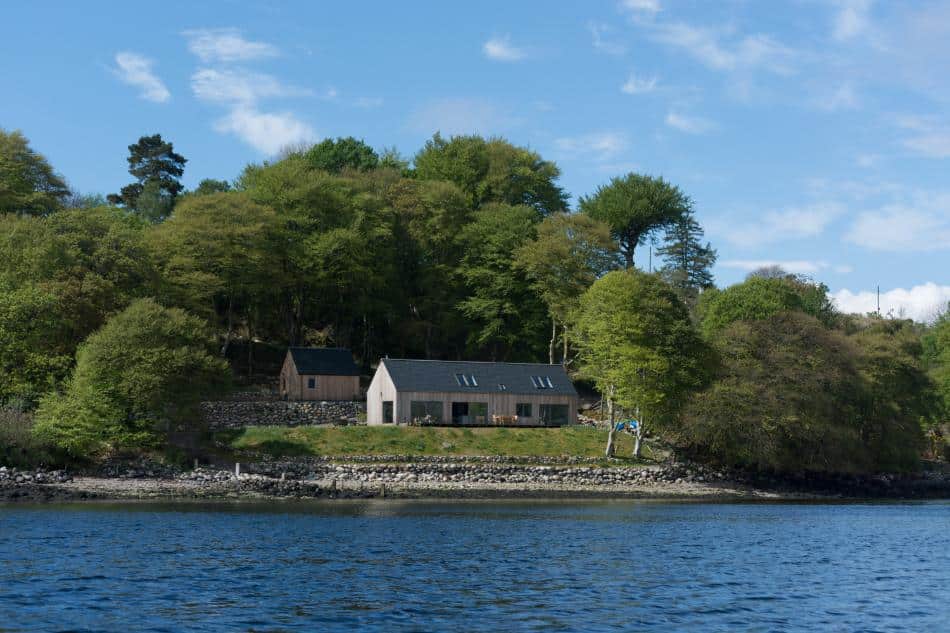
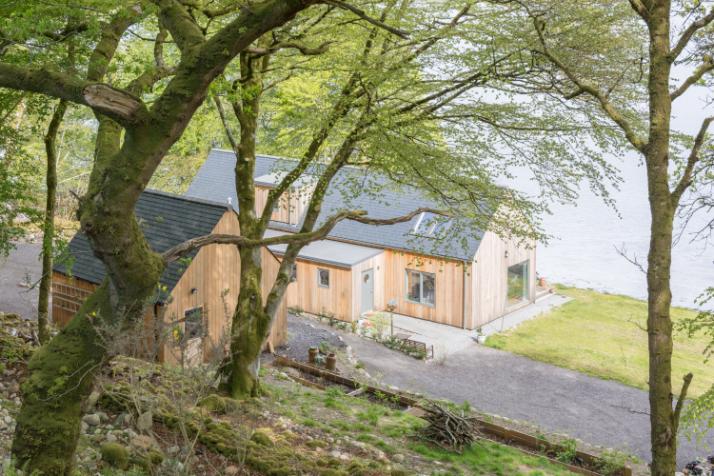
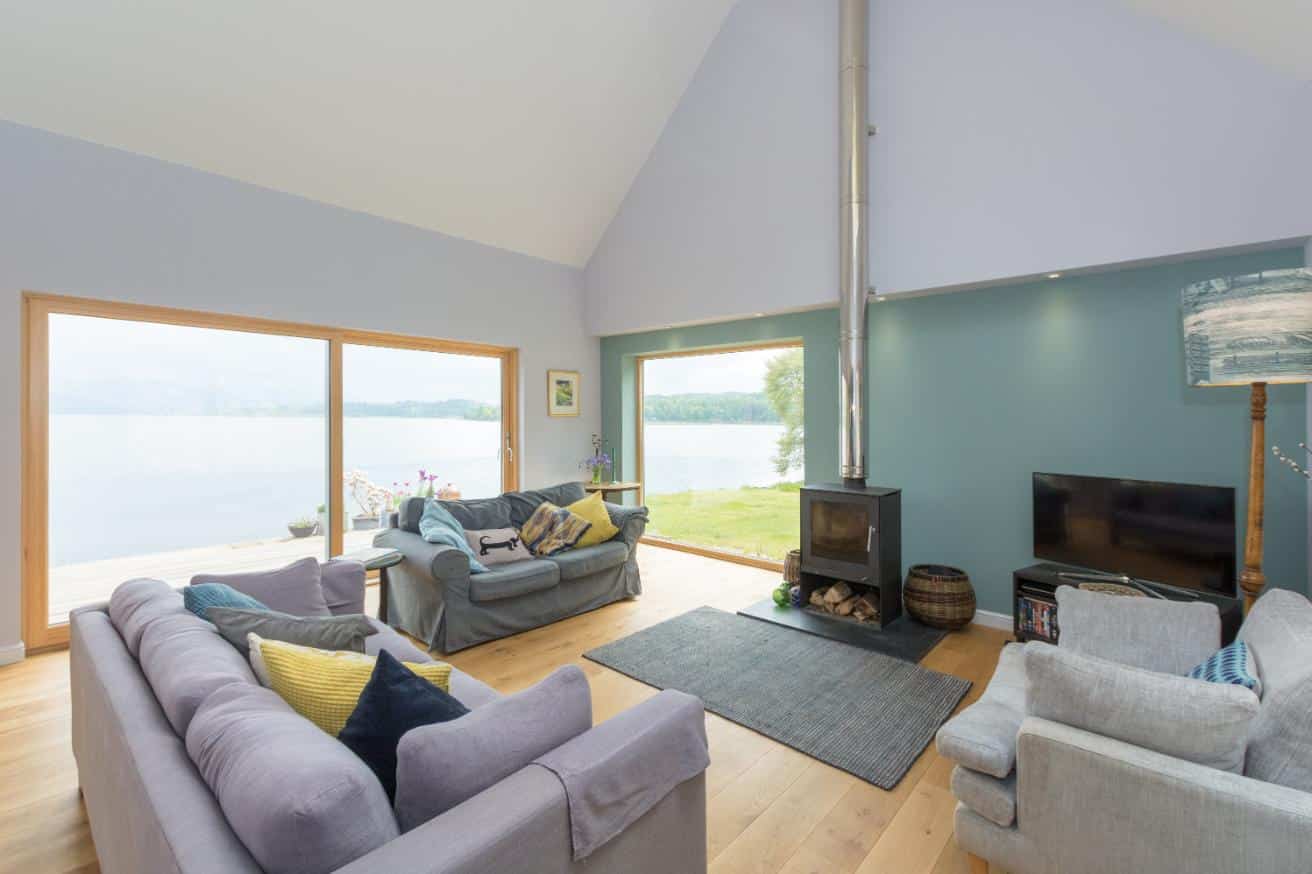
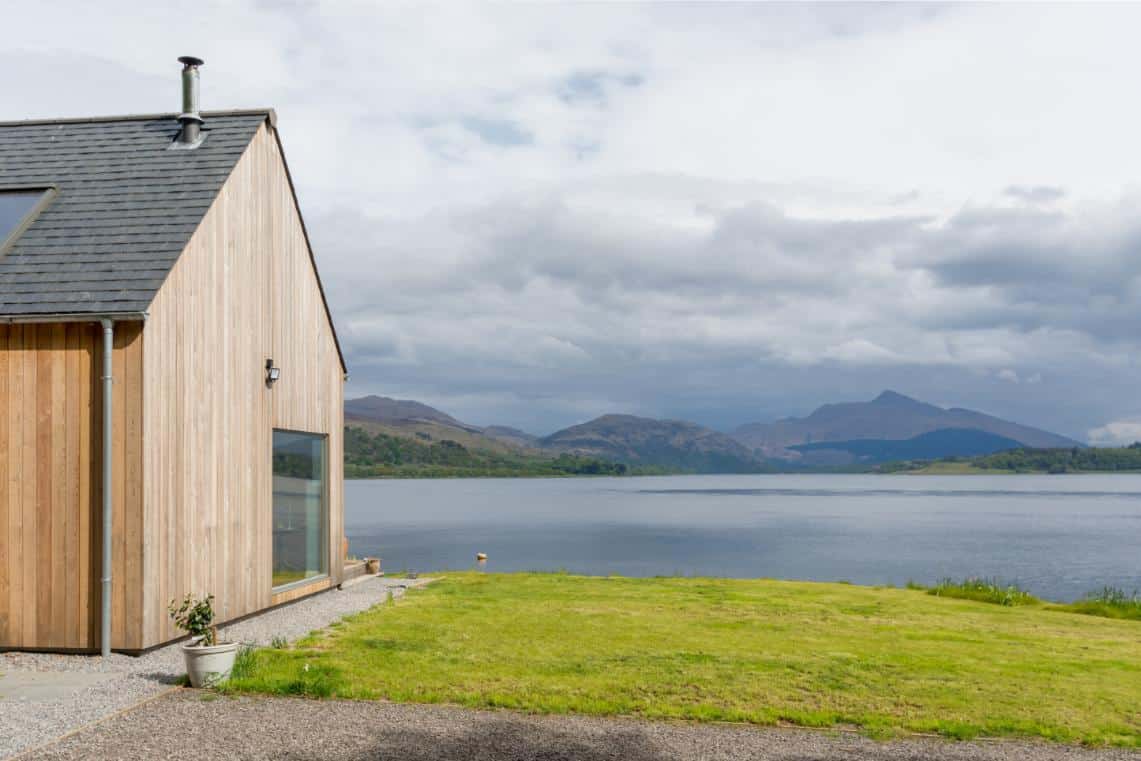
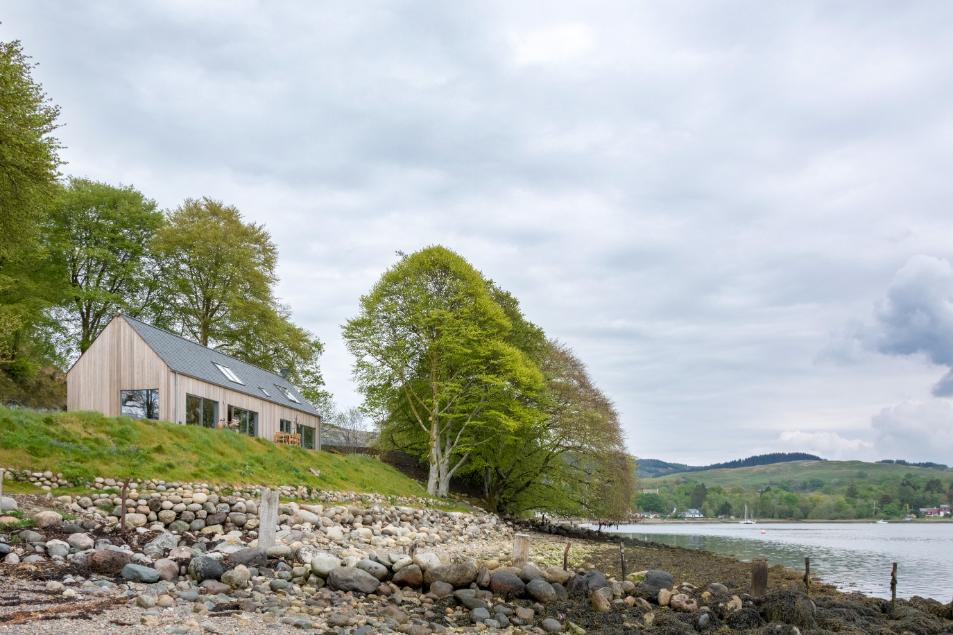
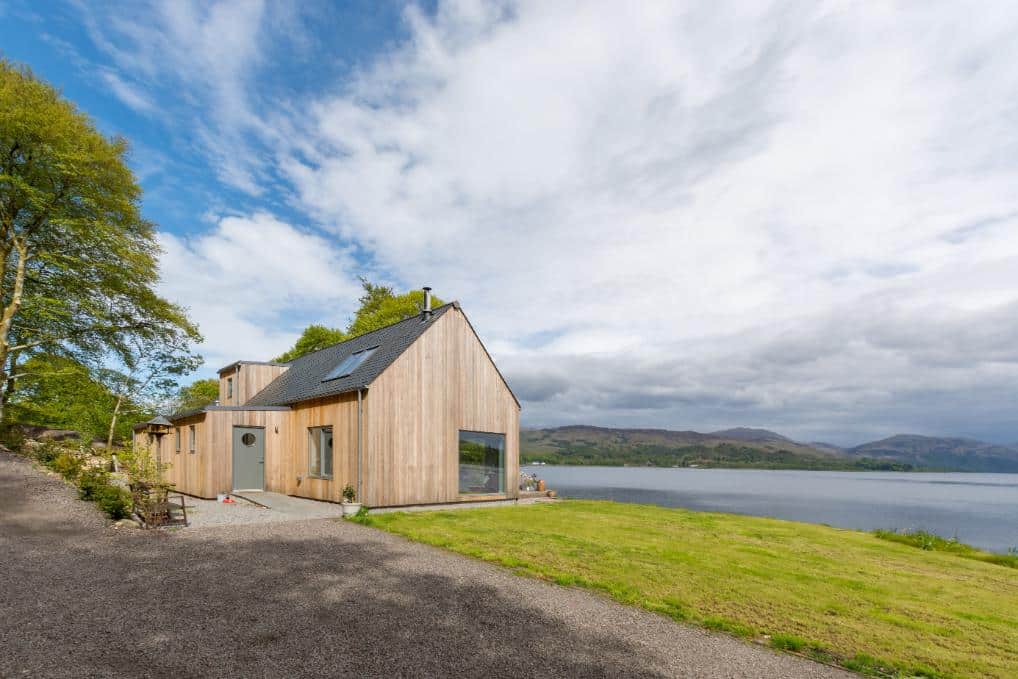
Yes, absolutely. The plot is on the Lochside, with access down a steep dog-leg drive and not much flat area to build. We knew we needed a design that blended into the woodland setting and would fit onto the available space, which influenced both the kit choice and the final layout.
Why did you choose a SIPs kit instead of a traditional build?
We have no building skills or experience and liked the idea of selecting a kit where you could see what you’re getting. The timber-frame kit offered an architect-designed solution that we could adapt slightly but didn’t require a full, bespoke design from scratch.
Was sustainability a big part of the decision?
Sustainability wasn’t the main driver, though it was a bonus. We liked the insulation and ease of keeping the house warm, especially with the big windows.
How did you pick your kit manufacturer?
We went to a homebuilding exhibition and knew about the main manufacturers from previous research. We chose HebHomes because of their reputation, familiarity in the area and after seeing other houses supplied by them, in person.
Was planning permission straightforward, or did the kit create extra hurdles?
There was already outline planning permission on the site, which is why we bought it. The planning permission process was mostly straightforward for the kit itself, but we did face challenges with road access because the site is located on a bend. There were some delays and minor issues involving access and a planning delay that required nudging through local connections. The kit system itself did not present unusual planning challenges.
How much of the design was standard, and what did you customise for your lifestyle?
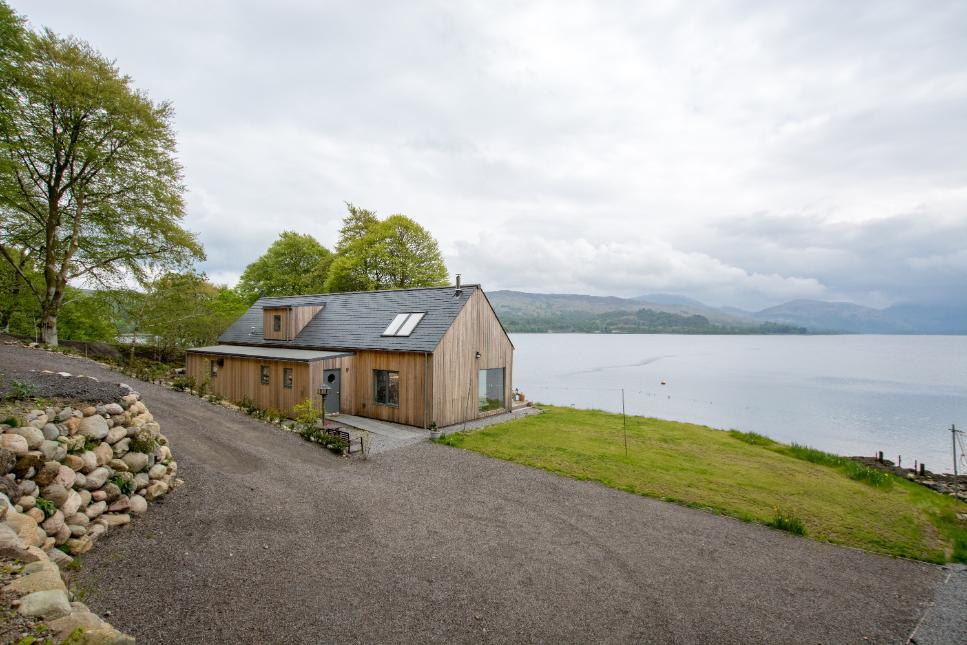
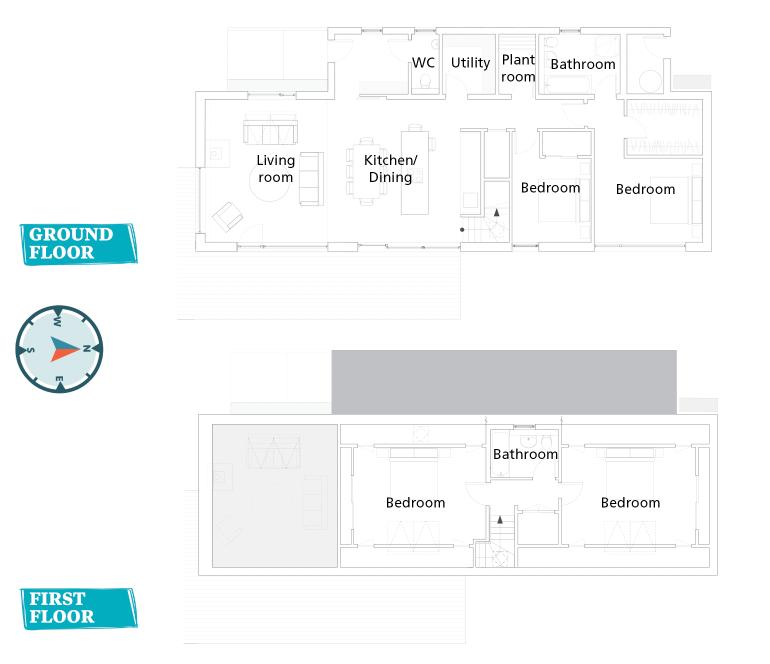
A lot of the design came as standard – for example, the longhouse layout – but we did customise it quite a bit for our needs, like adding extra windows, rearranging rooms and incorporating just enough tweaks to suit our preferences.
What’s it like seeing the house come together in the factory before it arrived on site?
We visited the HebHomes factory in Perth and saw the layers of materials being bonded together. We really appreciated how the company was keen to show their process. They also welcomed us to visit other completed houses.
Who actually built the kit on site, and how was the process managed?
We hired a QS (Quantity Surveyor) recommended by HebHomes, who handled tendering and also selected a builder familiar with HebHomes kits. The builder managed the project, and we made regular site visits to keep up to date with the process. HebHomes supported us but didn’t provide their own builders.
Any key structural choices or upgrades that made a big difference?
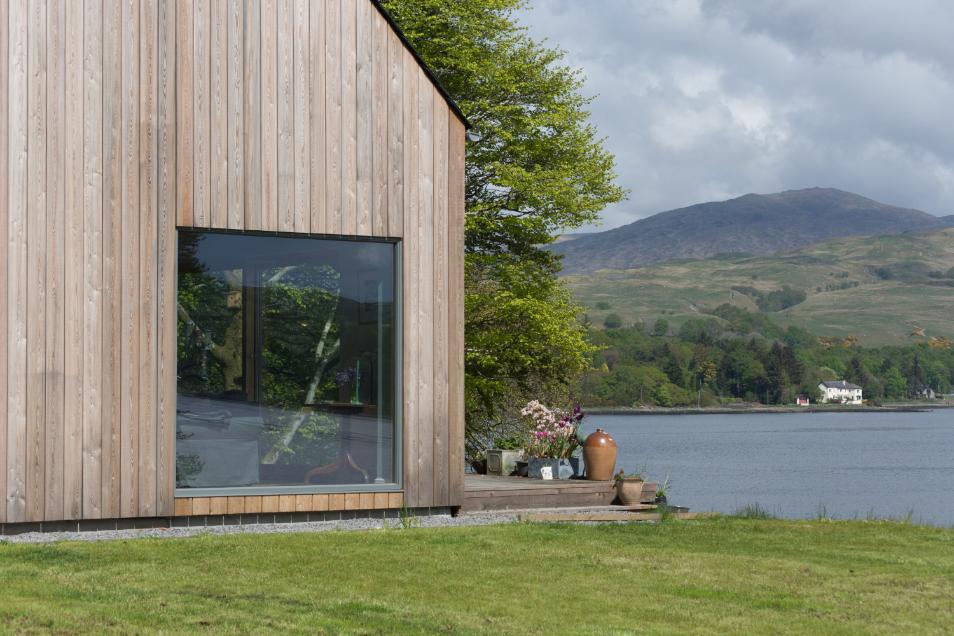
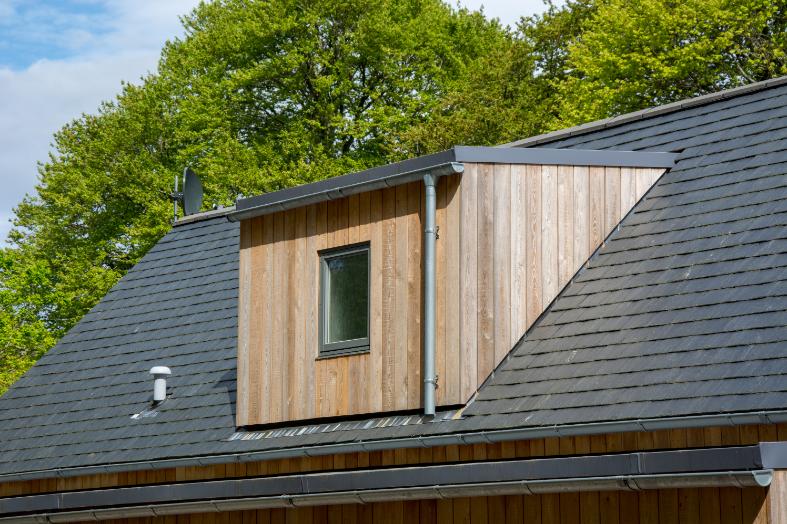
We considered triple glazing but opted for double glazing due to window size/weight and cost. Insulation was built into the SIPs panels. We also added extra windows for light and views, and made minor layout changes.
Did you do anything extra for energy efficiency?
Some, yes – the SIPs provided good insulation, and we thought about but didn’t go for triple glazing. Otherwise, energy efficiency came from the basic kit.
How much did the kit influence things like room sizes, window placement or finishes?
The longhouse design dictates a lot of the layout, but we were able to customise things like adding a pantry and changing window placements.
How did you approach the interior design?
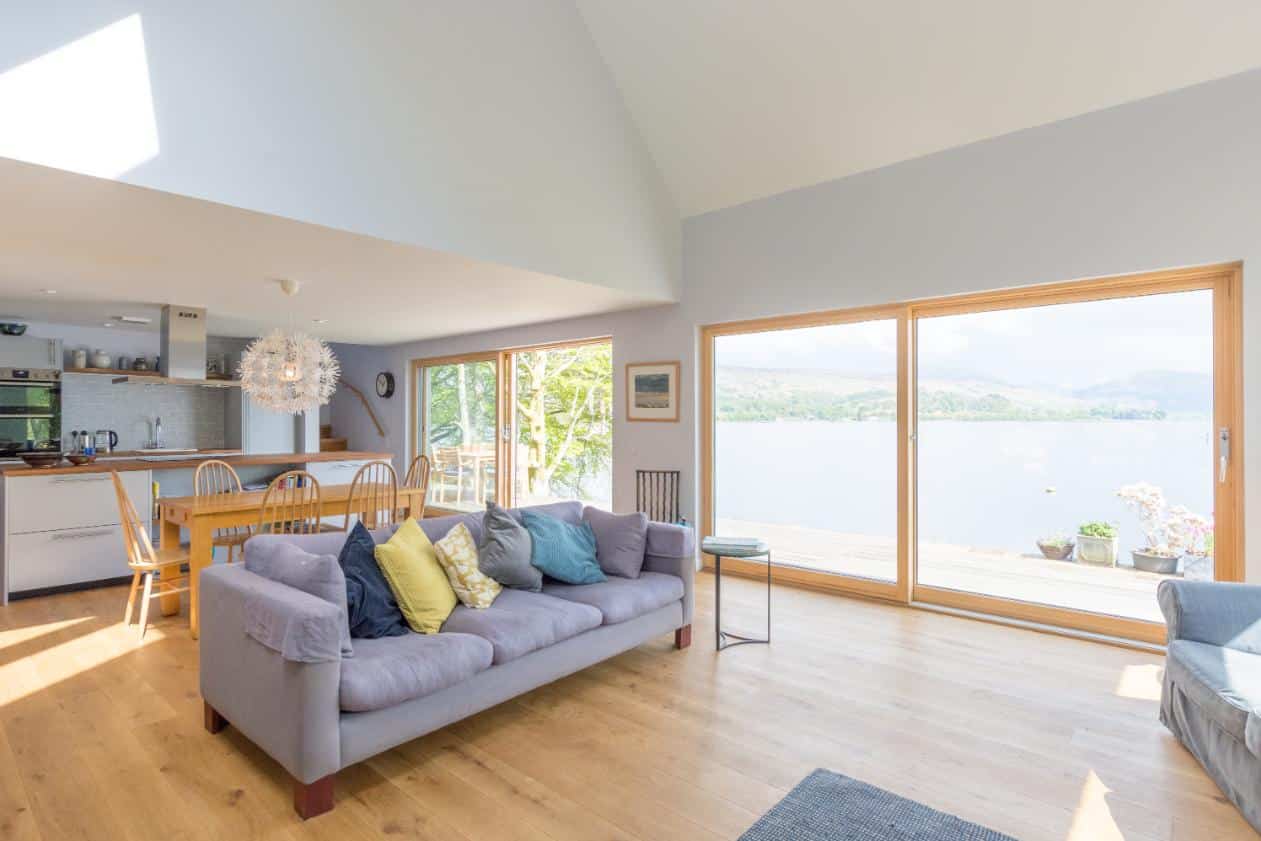
We brought in a Scandinavian/modern feel, kept things cosy and made selections for kitchen, flooring and finishes independently, not just from the kit provider. We brought some elements from our old house, too.
We went with the HebHomes preferred provider for the bathroom fittings, which ended up being quite expensive. Our kitchen is an Ikea kitchen, actually the cheapest Ikea kitchen available and it is absolutely fine.
Were there tricky bits when fitting services like electrics, plumbing or ventilation?
The utility room got crowded with the underfloor heating, tanks, air exchange and related services. In retrospect, I might have adjusted the design to create more space for these systems.
Did the prefabricated system help keep costs predictable, or were there surprises?
It helped generally, yes, but we still had some cost overruns due to unexpected ground work (a very stony site) and accommodation for the builder’s team, which was higher than expected. Costs did not run over budget, though the bathroom was expensive. We were in a situation where we weren’t too worried about budget. I don’t think building with a kit is necessarily a low-budget way to get your own home.
Any unexpected challenges or changes along the way?
Yes – the ground was stony, requiring extra work and there were delays with access and planning tied up with neighbouring properties. Overall, though, there were no major disasters.
Timeline
May 2015: Site purchased (with Outline Planning Permission)
Jan 2016: Planning Permission application
July 2016: Planning Permission granted
Sept 2017: Build start
July 2018: Build end and moved in
How did you tackle landscaping and making the most of the site?
For landscaping, we did quite a bit: there was no garden when we started. We had a tree preservation order waived so we could cut down three big trees along the lochside to open up the view, keeping two. We also added a big polytunnel and did additional landscaping in the garden area.
We have a mooring and occasionally go out on our canoes. But mostly we enjoy the water from the lochside.
Now the house is finished, how’s it performing?
We’re very happy: it’s much cheaper to run than our previous house and is comfortable, warm, easy to clean and cosy. The acoustics are different, and the space feels less expansive than our old Victorian house, but it’s ideal for us and feels like a luxury holiday home. The house seems to be performing well. The heating system is good, and I love the views. However, noise between the two floors is noticeable – certainly more so than in our old house. I think it is very suitable for a retired couple like us, but I’m not sure how well it would work for a family.
Top tip
Vicki: “Don’t be scared about building a SIP house, but don’t expect it will necessarily be a budget way to get your own home. Spend enough to get the build quality you want, and don’t feel pressured into making trendy choices if they’re not what you want.”
Reflections
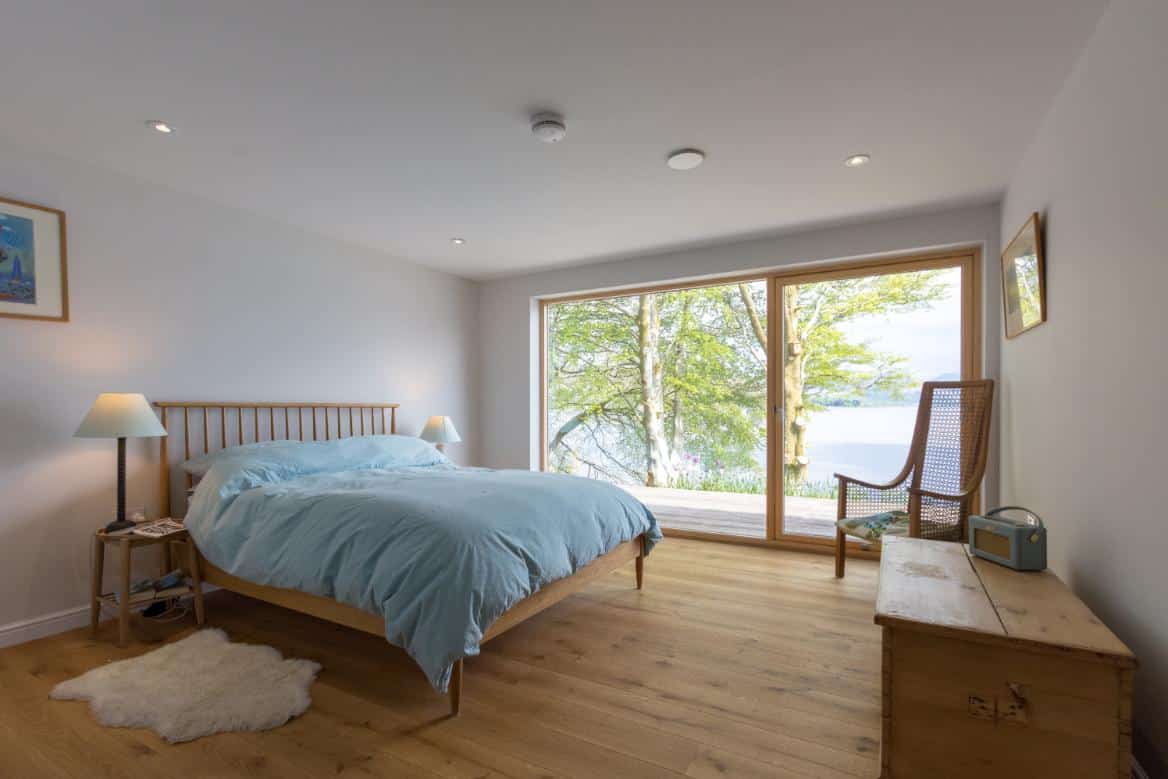
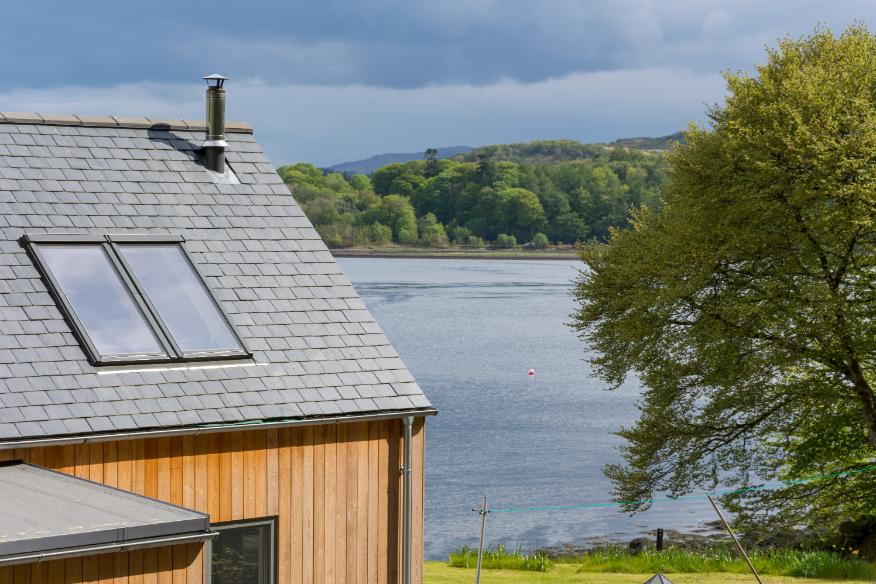
- What is your favourite design feature? My favourite part of the house is the great big glass windows looking out over the loch. I can lose half a day just watching the view.
- What would you change or do differently? I would change the configuration of the utility room and the pantry.
- What surprised you? The process went more smoothly than we expected – it was surprisingly easy for novices like us.
- Would you do it again? Yes, I would do it again.
Spec for SIPs longhouse
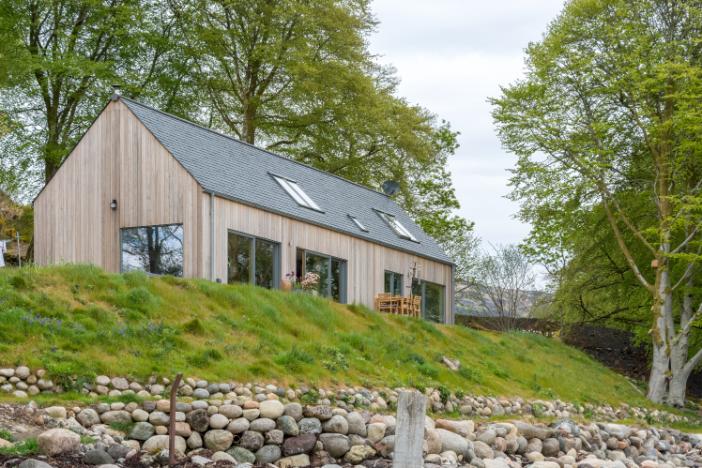
Walls: SIPs 150mm. U-value, 0.16W/m2
Roof: SIPs 150mm. U-value, 0.12W/m2
Floor: Concrete slab with 200mm PIR insulation. Underfloor heating pipes in 70mm screed and finished with ceramic tiles and engineered oak. U-value, 0.15W/m2
Windows: Double-glazed, aluclad. U-value, 1.2W/m2
Suppliers
Architect and SIPs supplier: HebHomes
Builder: James Cook, Perth
Kitchen: Ikea
Photography: HebHomes