In this article we cover:
- Why listed buildings are treated differently from standard residential properties
- When Listed Building Consent is required, and why unauthorised works can become a criminal offence
- Why the usual 4-year and 10-year planning enforcement rules do not apply to listed buildings
- The importance of understanding a building’s historic and architectural significance before making changes
- Key conservation principles, including repair over replacement, reversibility and matching materials
- How a Heritage Statement can support a stronger Listed Building Consent application
- Why early engagement with the Council’s conservation team can save time, cost and frustration
- The level of detail usually required for a successful application
- How contemporary extensions can sometimes be more appropriate than trying to copy historic detailing
- Why specialist heritage planning advice at the outset can help avoid costly mistakes
The starting point when applying for Listed Building Consent is understanding a fundamental difference in mindset. While you may quite rightly view the property as your home, the local authority is more likely to view you as the custodian of a historic asset that should be protected for future generations.
As a Chartered Town Planner, I frequently see property owners approach listed buildings with the same expectations they would apply to a standard house. That is often the first, and potentially most expensive mistake they make.
When dealing with architectural heritage, many of the normal assumptions about development are turned on their head. Understanding the process from the outset can save considerable time, expense and frustration.
Understanding the legal threshold
A common misconception is that listing only applies to certain parts of a building, such as the façade. In reality, listing generally covers the entire building, both internally and externally, and may also extend to structures within its curtilage.
There is no such thing as “only the façade is listed”. Indeed, in some unusual circumstances, structures physically attached to a listed building can also acquire listed status. For example, if a historic pub sign connects two buildings across a narrow lane, the building on the opposite side may technically become listed by virtue of that connection.
Unlike standard residential properties, listed buildings generally do not benefit from permitted development rights. If you wish to alter, extend or demolish any part of a listed building in a way that affects its character as a building of special architectural or historic interest, you will require Listed Building Consent (LBC).
Undertaking works without Listed Building Consent is a criminal offence.
Why the 4-year and 10-year rules do not apply
Many property owners are familiar with the planning enforcement rules that can, in certain circumstances, prevent action being taken against unauthorised development after a period of time. These principles do not generally apply to unauthorised works to listed buildings.
The requirement for Listed Building Consent does not simply disappear because works were carried out many years ago, because the property has changed ownership or because the original person responsible is no longer involved.
We recently acted for the children of a homeowner who had sadly passed away after carrying out unauthorised works to a listed building. The Local Planning Authority initially considered enforcement action against the new owners, despite them having had no involvement in the works and being in the middle of probate proceedings. Following extensive negotiations, a retrospective consent application was eventually approved. However, even then, one aspect of the works remained unacceptable to the Council and could not be regularised.
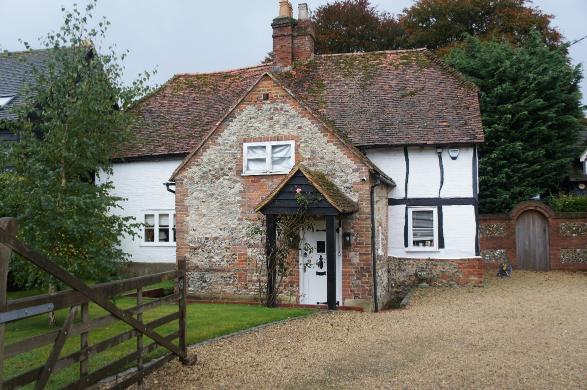
The lesson is simple: unauthorised works to listed buildings can create problems that persist for decades.
The golden rule: The building doesn’t owe you anything
One of the most important principles in heritage planning is that your personal preferences are rarely the starting point for decision-making. Whether you want an open-plan kitchen, larger windows or additional living space is generally secondary to a more important question: What makes this building special?
The answer lies in its significance. That significance may derive from medieval timber framing, original Georgian joinery, historic glass, architectural design, archaeological interest or an association with a notable individual. For example, the unremarkable interwar semi-detached home once occupied by John Lennon is listed because of its historic association rather than its architectural merit.
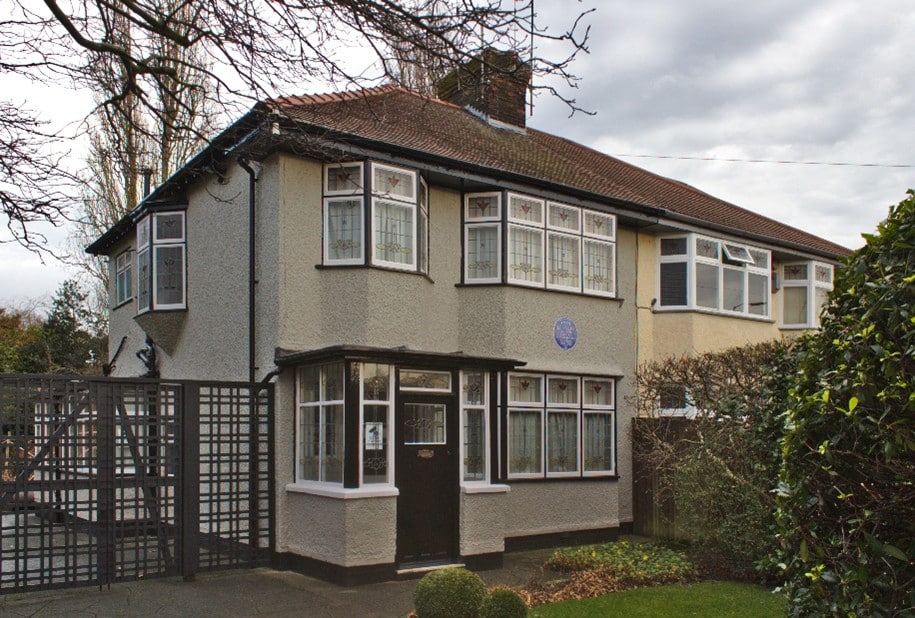
Successful heritage applications focus on understanding and respecting that significance.
Conservation is not simply about preserving buildings in aspic. Good conservation is about managing change intelligently. In many cases, proposals that remove poor-quality modern alterations, reveal historic features or enhance the overall character of a building can help create a more balanced and persuasive case for the changes you wish to make.
Key conservation principles
When preparing proposals for a listed building, several principles are consistently important.
Repair rather than replace: Where historic fabric survives, repair should almost always be considered before replacement.
For example, where a traditional timber window has localised decay, repairing the affected sections is often preferred to replacing the entire unit. Similarly, secondary glazing may be considered more appropriate than installing modern double-glazed units, particularly in buildings containing historic mullion windows or other significant features.
Reversibility: Where possible, alterations should be designed so that future generations can remove them without causing irreversible damage to the original building.
This principle often provides greater flexibility when introducing modern interventions into historic structures.
Matching materials: Where new materials are required, they should be compatible with the original building in both appearance and performance.
This can sometimes be a source of frustration for owners. For example, replacing a rotten timber window may seem straightforward, yet heritage officers may remain concerned if the underlying cause of the decay has not been properly addressed. Similarly, traditional breathable lime mortar is often preferred to modern cement-based products because of the way historic buildings manage moisture.
The three-step route to a successful application
In our experience, successful Listed Building Consent applications are won long before they are submitted.
The process typically follows three key stages:
Heritage assessment → Early engagement → Detailed design
1. Commission a Heritage Statement
A robust Heritage Statement is often the foundation of a successful application.
The document should explain the building’s historical development, identify its significance and assess the impact of the proposed works. Most importantly, it should demonstrate how any harm has been avoided, minimised or justified.
2. Engage early through pre-application advice
Do not wait until submission to contact the Council’s conservation team.
Most conservation officers handle large caseloads and may have limited opportunities for detailed discussions once a formal application has been submitted. Pre-application engagement allows potential concerns to be identified and addressed before incurring significant design costs.
Building a constructive working relationship at an early stage often changes the process from confrontation to collaboration.
3. Provide detailed information
Listed Building Consent applications demand a greater level of detail than many standard planning applications.
Architectural drawings at scales such as 1:10 or 1:20 are often required to demonstrate exactly how new and existing elements will interact. Junction details, material specifications and construction methods can all be critical.
Failing to provide sufficient information at the outset frequently results in delays, requests for further information or additional planning conditions.
A word on extensions
When extending a listed building, it is often preferable for new additions to be clearly distinguishable from the original structure rather than attempting to replicate historic detailing.
In many cases, contemporary design solutions are viewed more favourably because they create a clear and honest distinction between old and new. This allows the building’s historic evolution to remain legible while still accommodating modern requirements.
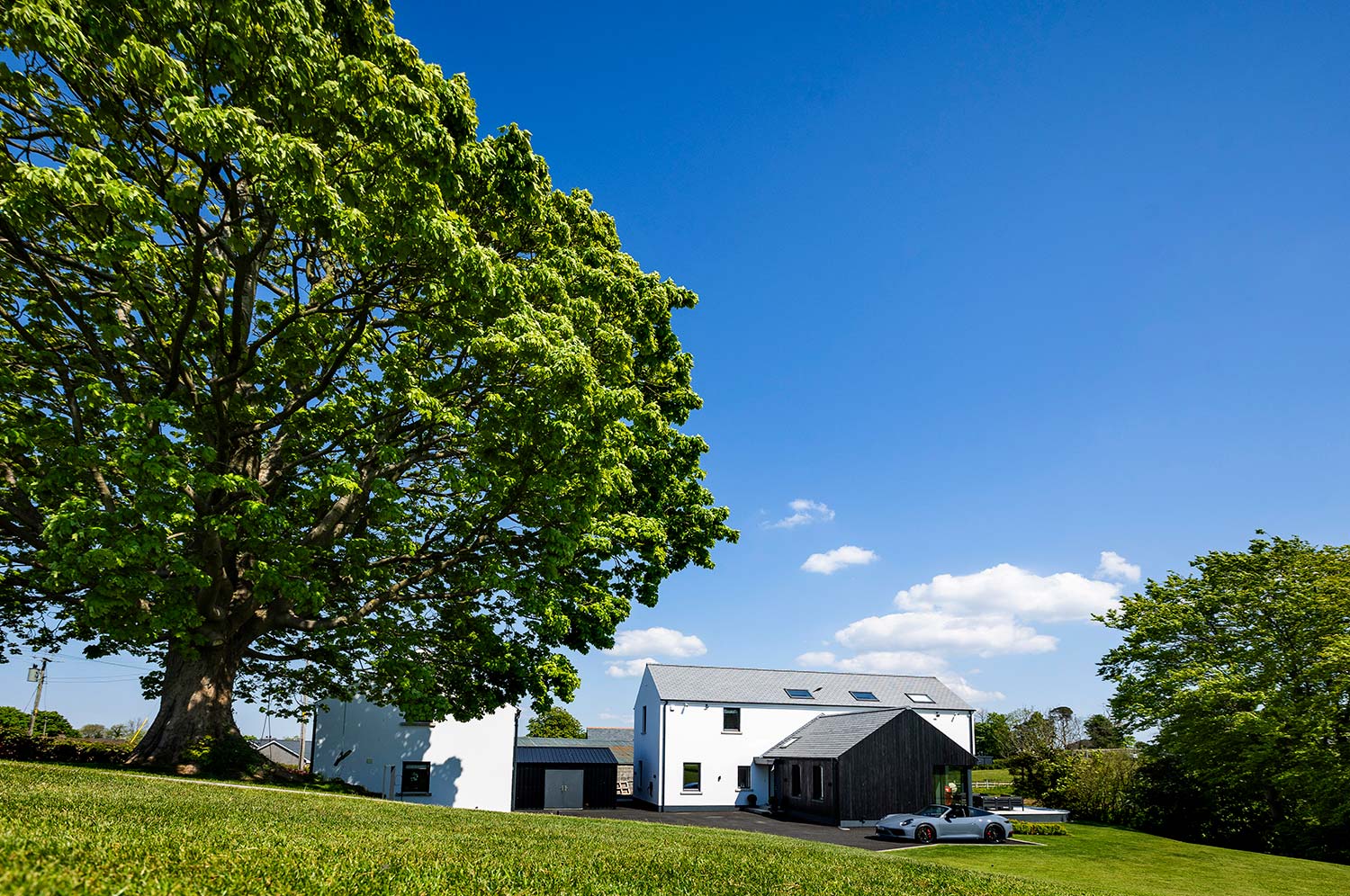
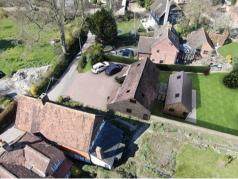
Below is one of our Oxfordshire projects, in which a contemporary ancillary barn was connected to a listed barn via a glazed link, creating additional accommodation while maintaining a clear distinction between the historic and modern elements.
Securing Listed Building Consent requires patience, specialist knowledge and, above all, an appreciation of what makes a building special.
By treating the building as a partner in the design process rather than an obstacle, it is often possible to create spaces that meet modern living standards while preserving historic significance for future generations.
Every listed building presents its own challenges, and obtaining the right advice early can often save significant time and expense later in the process.
If you require support with a heritage project, contact our team via our website and quote “SBM2026” to receive a 10 per cent discount on your initial consultation fee.
Mark Doodes, MRTPI
Mark is a Chartered Town Planner and Director of Mark Doodes Planning, with over 24 years’ experience advising homeowners, self-builders and developers across England. He specialises in securing planning permission for new homes, rural projects, heritage work and strategic sites.
Mark Doodes Planning provides clear, practical planning advice from initial feasibility through to submission and negotiation, helping clients navigate the planning system with confidence.
For more information, visit markdoodesplanning.co.uk, email: [email protected], phone: 01865 600555