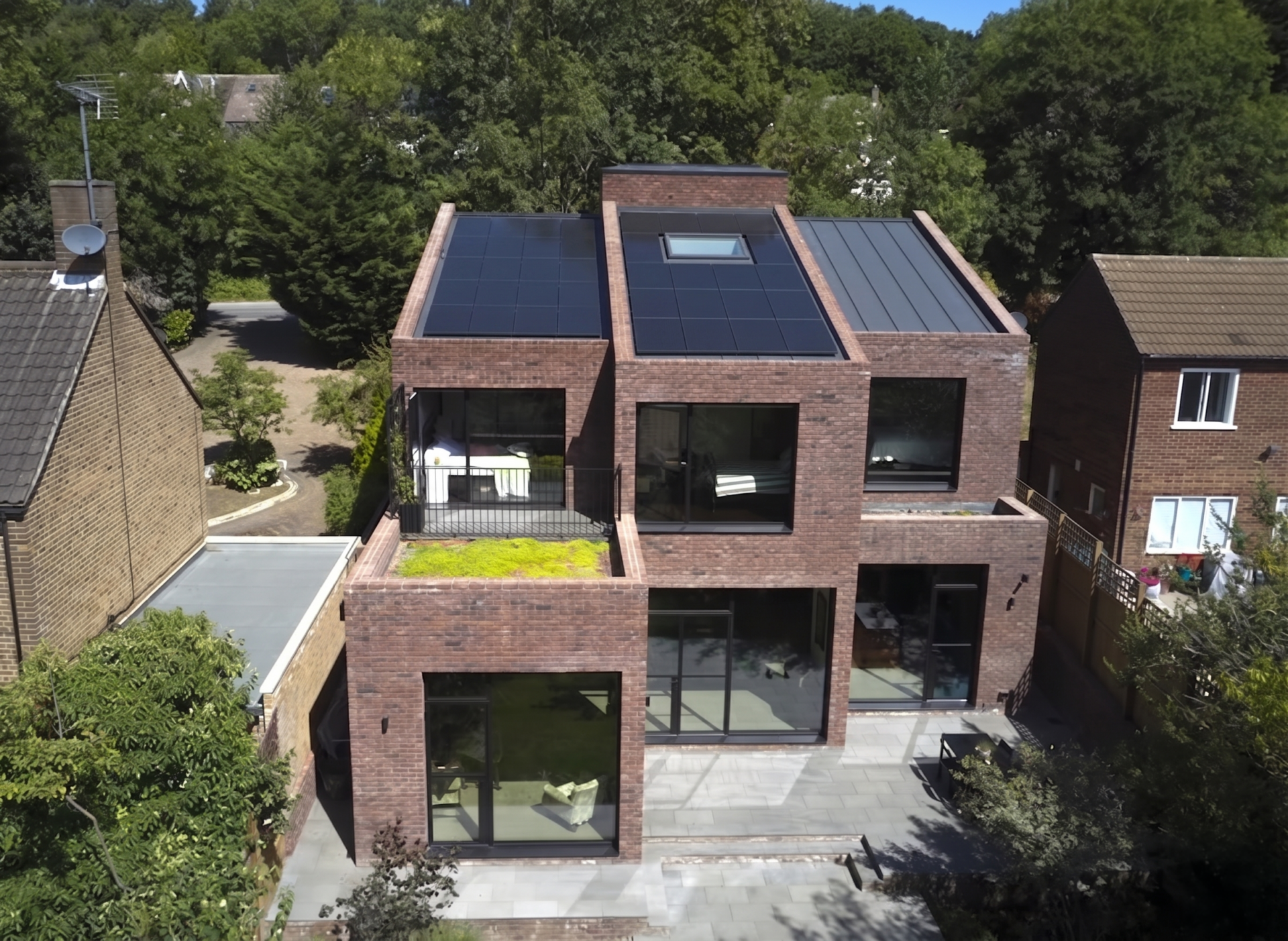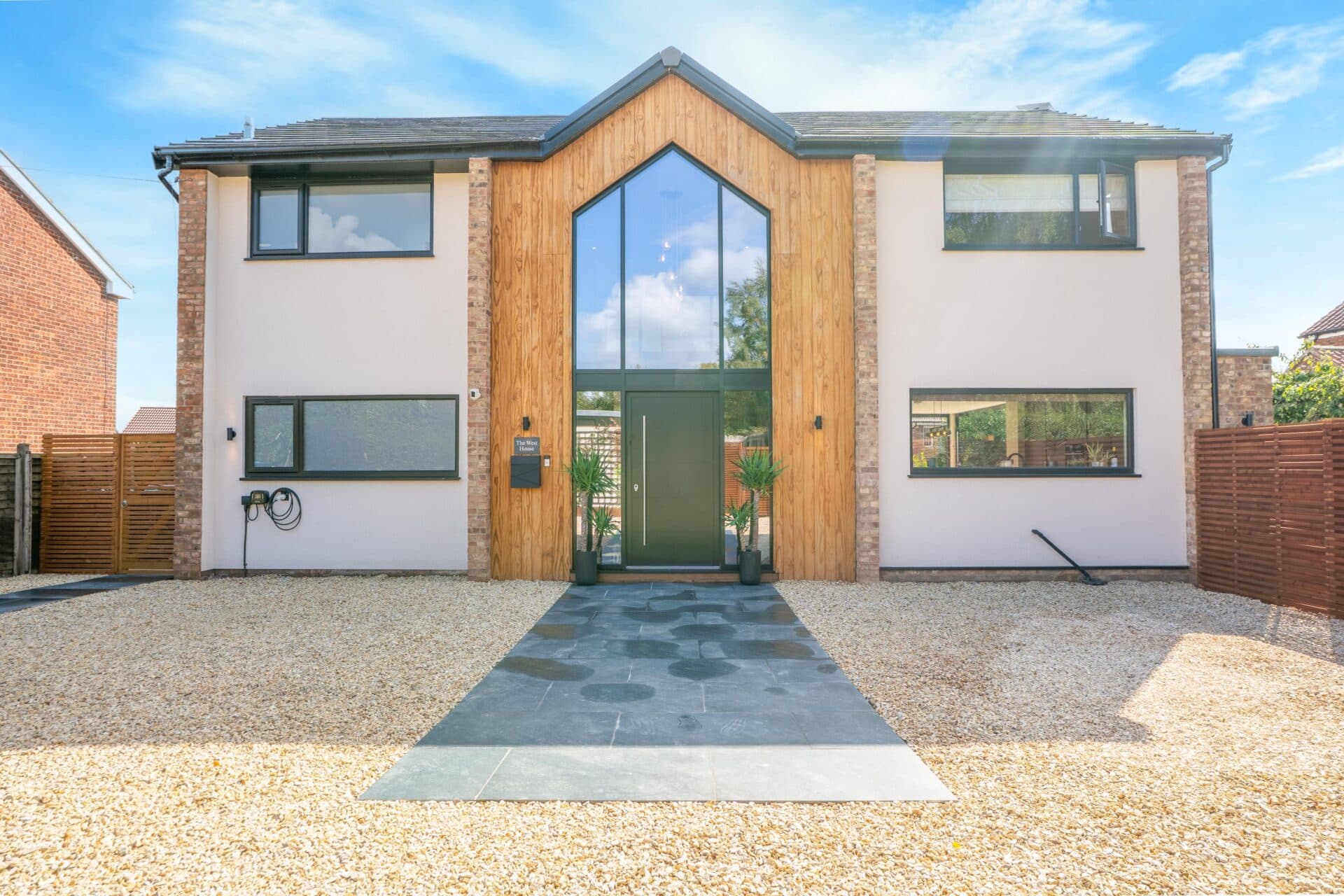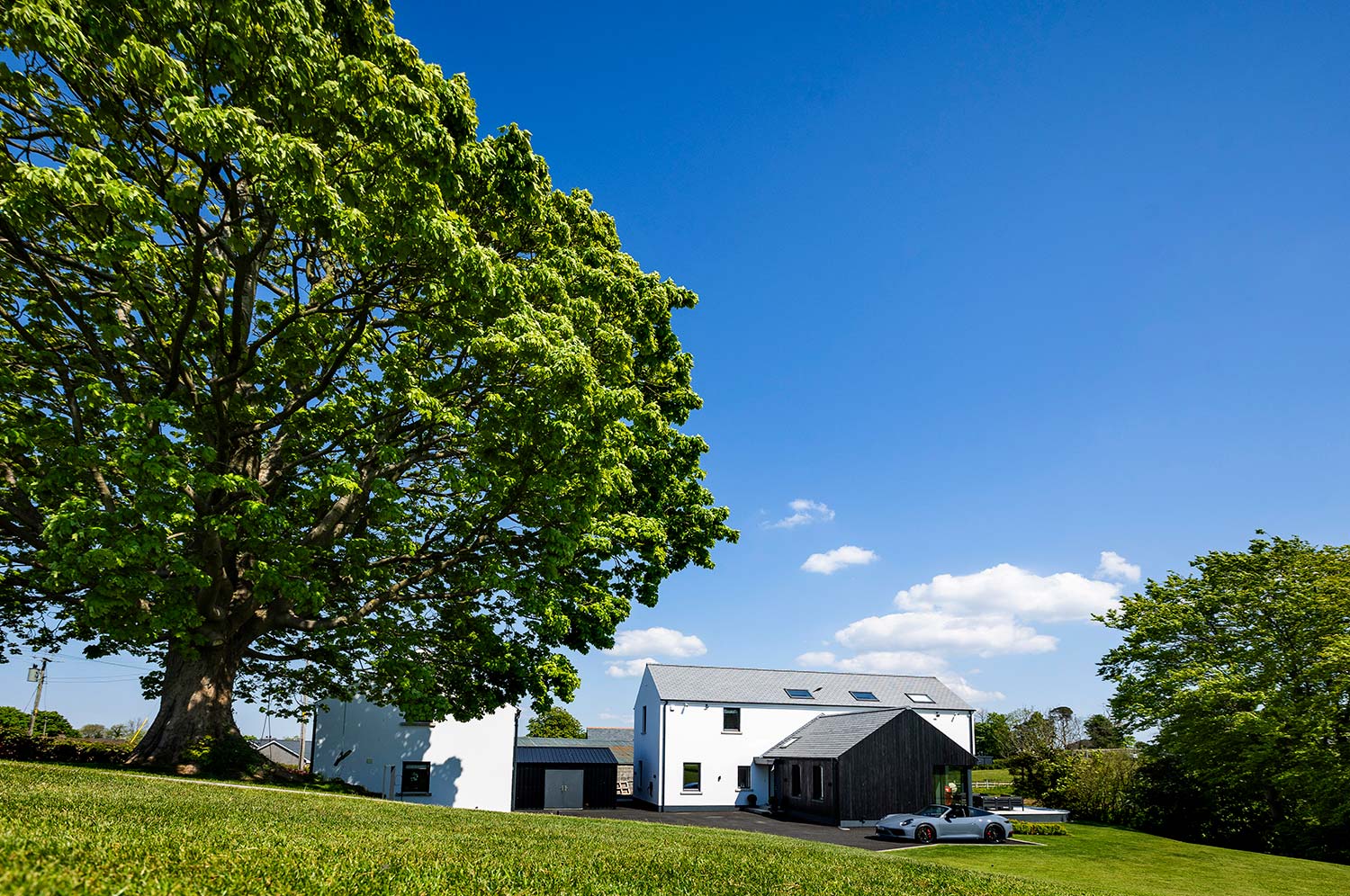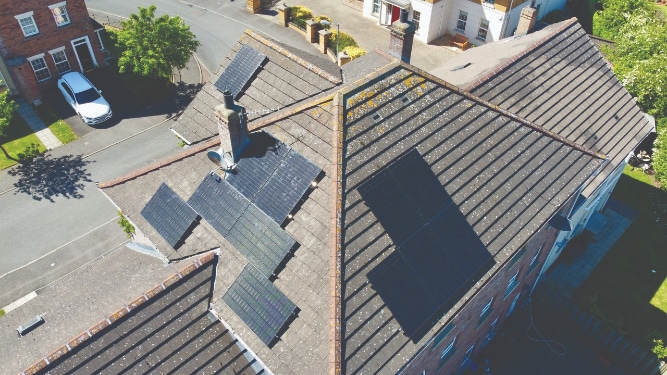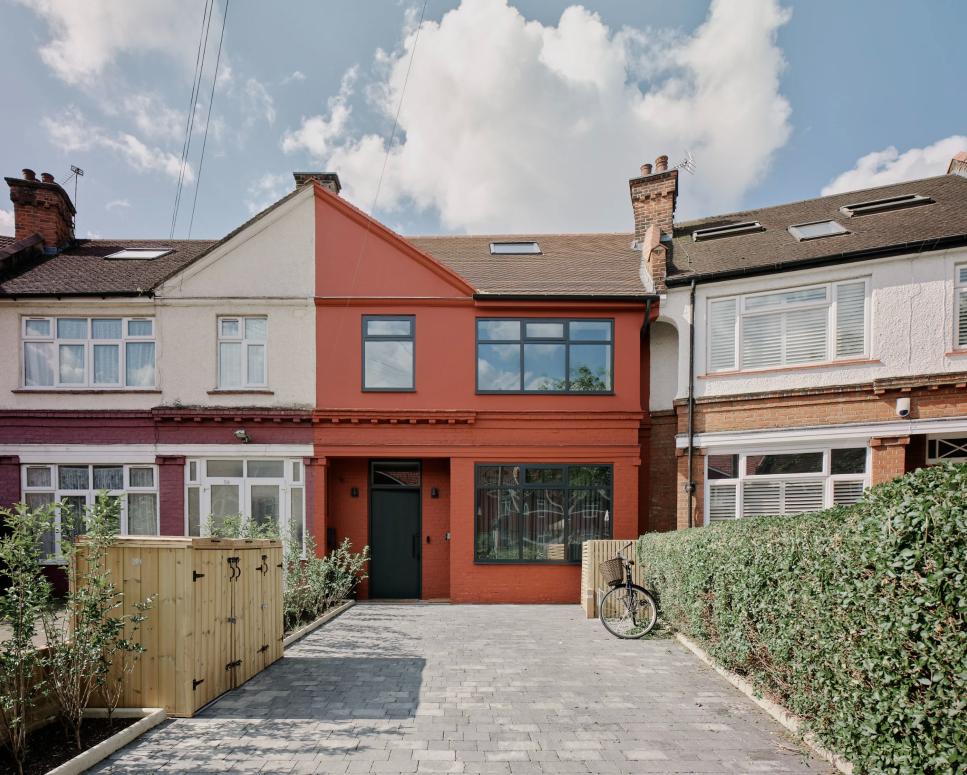

In this section we cover:
- The four underlying forces
- Why reducing energy demand comes before adding renewable technology
- How passive design decisions improve comfort, lower bills and increase long-term performance
- Practical material and site choices that reduce embodied carbon
- How systems thinking helps all four forces work together from day one
When people talk about ‘green homes,’ they usually focus on the technology, like solar panels, heat pumps and smart systems. These are useful, but they are not the most important part.
In A Comprehensive Guide to Sustainable Self Build Homes, Sean Ronnie Hill, founder of RISE Design Studio, points out that true sustainability comes from long-standing, foundational practices rather than the latest technology.
Think of them as four hidden forces shaping every truly sustainable home: Light, Heat, Carbon and Nature.
Once you understand these forces, design decisions stop feeling like guesswork and start to work together. As a result, your home becomes more comfortable, uses less energy and feels purposefully suited to its location.
As Sean explains:“At the core of sustainable architecture lies the commitment to reduce environmental impact while enhancing the quality of life for the occupants.”
1) Light: Design with the sun, not against it
Daylight is the original renewable energy source. If you use it well, your home will need less artificial lighting and less heating.
- Position your home to make the most of daylight and passive solar heat. Place living areas toward the sun and let morning light provide most of the warmth.
- Choose window sizes carefully. Large windows are not always better; try to balance heat gain, heat loss and glare.
- Plan your shading carefully. Overhangs, leafy trees, and exterior shades can keep your home cool in summer while still letting in the winter sun.
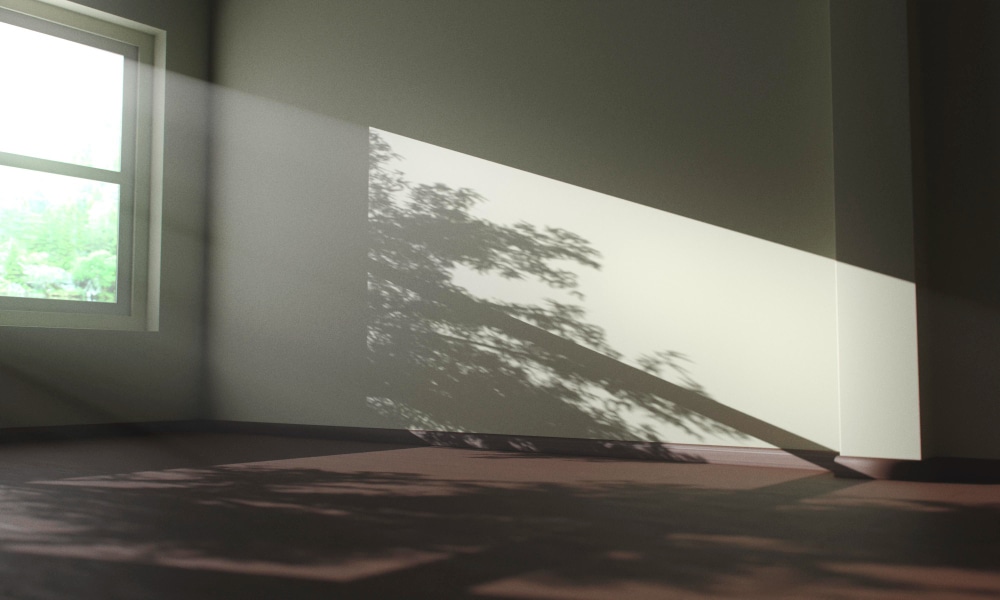
Light is a force that rewards foresight. You don’t “add” it later – you design for it from day one.
2) Heat: Reduce demand before adding supply
If light is the most visible force, heat is the quiet but decisive one. A sustainable home should first aim to use less energy while staying comfortable.
- Insulation and continuity. Imagine insulation as a winter coat that always stays zipped up.
- Airtightness with ventilation. First, control air leaks. Then make sure to ventilate well using natural cross flow or mechanical systems so your home breathes the way you want.
- High performance openings. Quality windows and doors help keep heat from escaping around the edges.
- Model early. Doing energy modelling at the start helps you predict how your home will perform and lets you make better choices before construction begins.
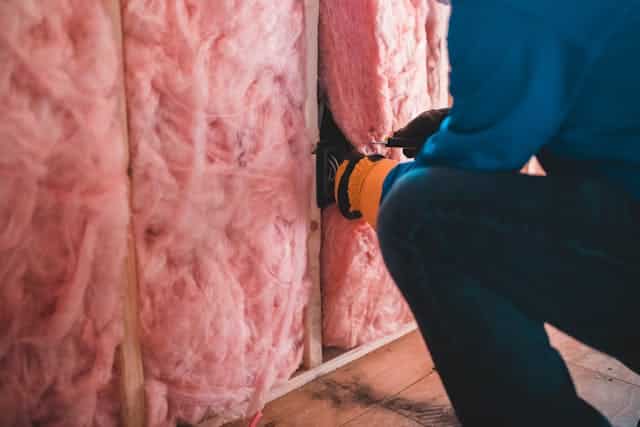
“One of the most crucial aspects of sustainable building is the focus on low energy design.”
The cheapest and cleanest energy is the energy you never have to use. Plan to reduce heat needs from the start, instead of trying to fix it later.
3) Carbon: Your home’s footprint begins before you even move in
Sustainability isn’t only about how a home performs in use. It’s also about how it was made. That’s embodied carbon; the emissions from producing, transporting and installing materials.
“Materials with low embodied carbon are those that require less energy to produce, transport and install,” writes Sean.
Practical choices that make a real difference:
- Choose local and renewable. Timber from responsibly managed forests, local stone, recycled steel.
- Reclaim and reuse. Reclaimed brick, timber and fixtures carry less carbon and more character.
- Choose natural insulation. Wool, cellulose and cork offer warmth and help lower your carbon footprint.
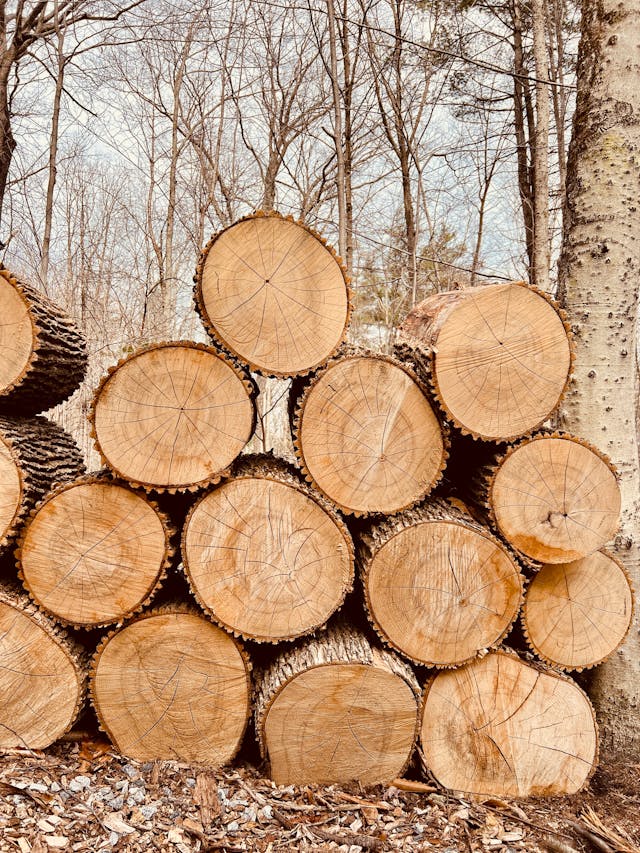
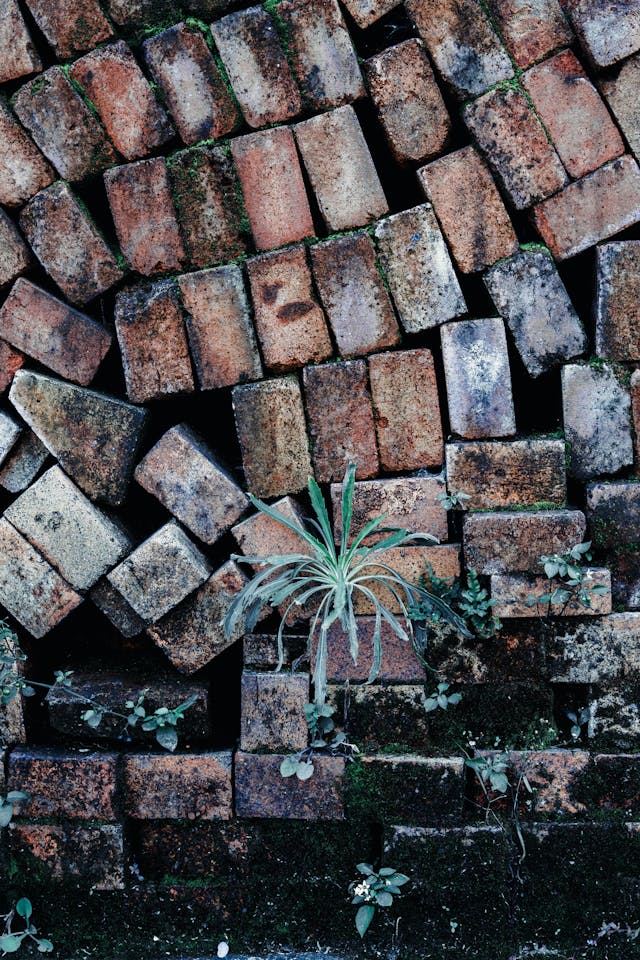
When you choose low carbon materials, you reduce your footprint and add texture, feel and durability to your home. This way, you make a choice that is both ethical and beautiful.
4) Nature: Design with the site, not just on it
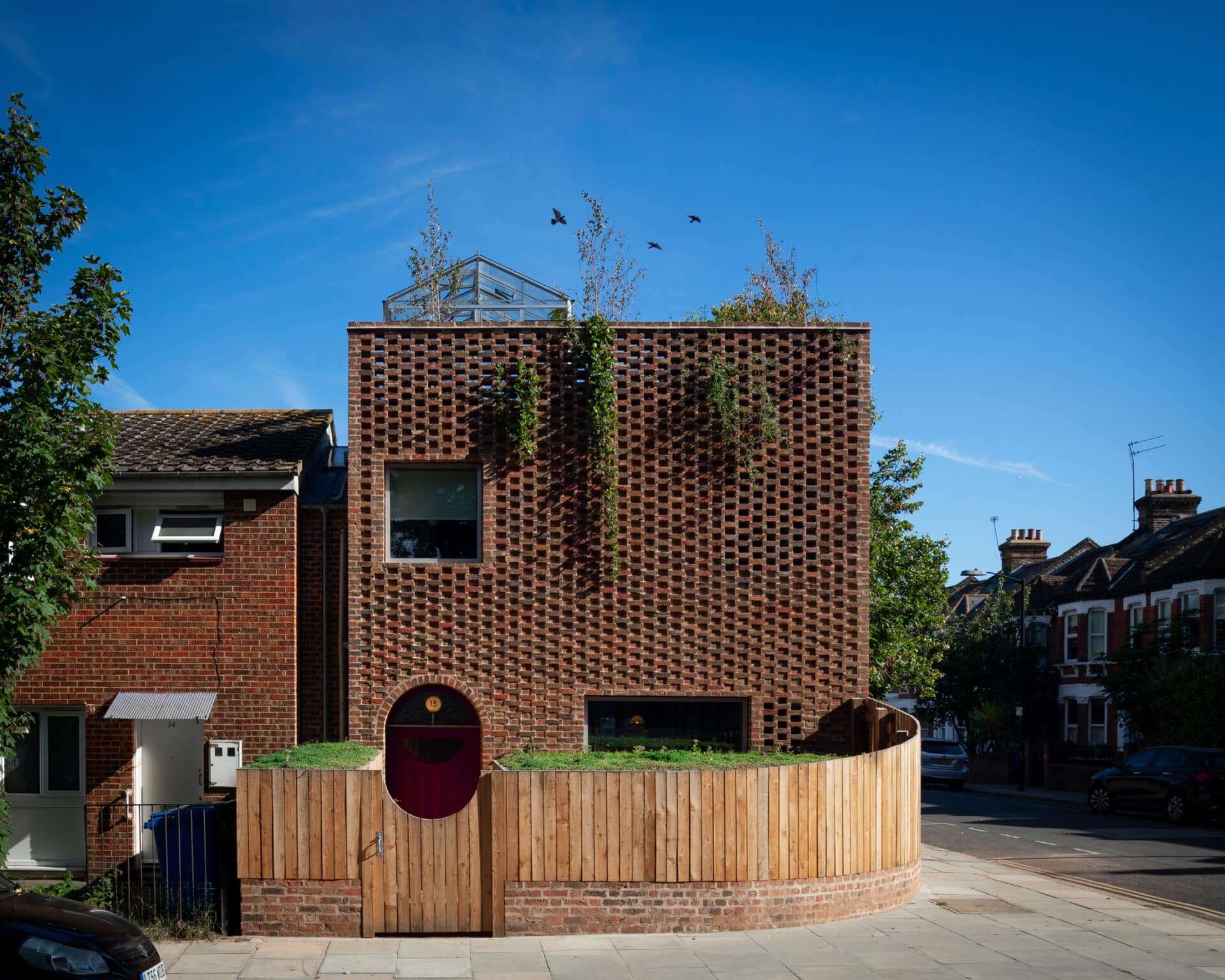
The land is not a blank canvas; it’s a co‑author, explains Sean. Sustainable homes listen to sun paths, wind patterns, slope, drainage and the ecology already in place.
- Use the wind to your advantage. Place openings for cross-ventilation where breezes naturally move through the site.
- Respect the shape of the land. Using terracing, split levels, or careful placement can reduce the need for earthworks and help the home perform better.
- Keep mature trees and plants whenever possible. They provide shade, shelter, help stabilise the soil, and support local wildlife.
- Include landscaping in your plan. Permeable surfaces, native plants, and careful planting can lower runoff and make maintenance easier.
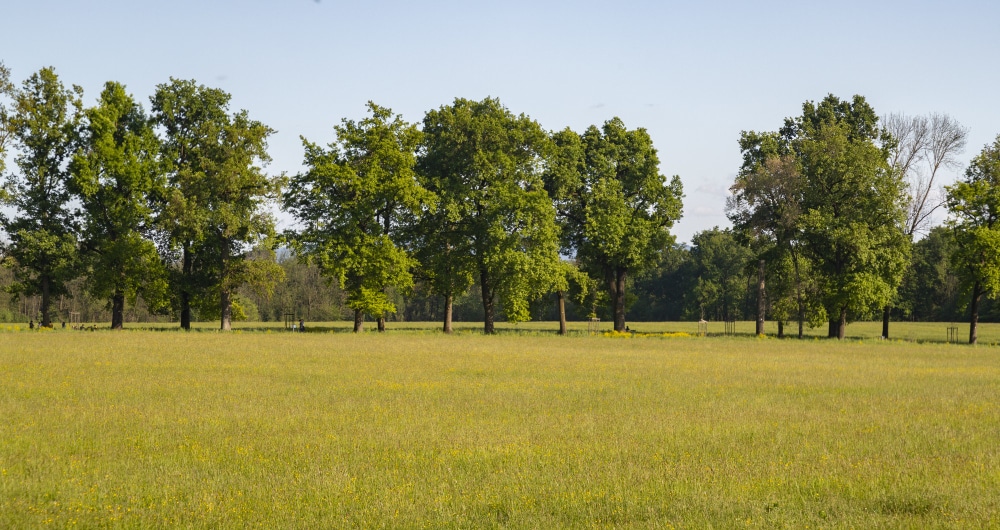
Designing in harmony with nature is not only efficient, but also makes your home more comfortable, peaceful, and often more beautiful.
How the forces work together
The real benefits come when these elements work together:
- Light and heat: Planning for daylight lowers the need for artificial lighting. Using passive solar design with good insulation helps keep indoor temperatures steady.
- Heat and carbon: Improving the building envelope can make it possible to use simpler systems, which means using fewer materials and reducing embodied carbon.
- Nature with light and heat: Adjusting the building’s orientation and using local wind patterns can lower the energy needed for heating, cooling and ventilation.
- Carbon and nature: Using local materials and protecting natural landscapes reduces transport emissions and helps maintain the area’s unique character.
This approach is about systems thinking, not just adding extra features. As the guide explains, putting these principles into practice begins with a clear vision and teamwork:
“Integrating these principles into your self‑build project starts with a vision that prioritises the environment and your wellbeing… working closely with architects and builders who share your commitment to sustainability.” – Sean.
Checklist
- Draw the sun’s path during different seasons and use this information to decide where to put your main living spaces.
- Focus on reducing energy needs first. Make sure your insulation is continuous, your building is airtight and your windows are well chosen before thinking about technology.
- The materials you choose are important. Ask about options that consider embodied carbon for the structure, envelope and finishes.
- Study your site carefully. Early on, note the wind patterns, drainage paths, tree cover and slopes.
- Do your energy modelling early in the design process. Use it to help decide on the building’s shape, window placement and envelope details.
- Choose a team that treats sustainability as a core part of the design, not just an afterthought.
“Building a home for the future means making decisions today that will ensure the longevity and sustainability of your living space.”
Source & credits
Based on RISE Design Studio’s A Comprehensive Guide to Sustainable Self-Build Homes. © RISE Design Studio. Reproduced with permission.

Sean Ronnie Hill is a RIBA/ARB-registered architect and Certified Passivhaus Designer, and the founder of RISE Design Studio (London & Barcelona). RISE specialises in low-energy homes, deep retrofits (EnerPHit) and thoughtfully detailed new builds that use low-carbon materials and rigorous building-physics.