
In this article we cover:
- Current cost of building per sqm as we head into 2026
- How UK self-build costs have changed since the pandemic
- The impact of labour shortages on construction budgets and timelines
- Real-world cost benchmarks for modest and high-spec self-builds based on late-2025 pricing
- How kitchens, mechanical & electrical works and contractor fees affect your budget
- The importance of contingency planning for new builds and refurbishments
- Which materials and services are now stabilising or becoming more competitive

Jack Hounsham, Appledown Projects
If you’ve built or planned a project in the UK in recent years, you’ll know construction costs made headlines for all the wrong reasons. As we move towards 2026, the question many self-builders are asking is whether those turbulent years are finally behind us. Drawing on our hands-on experience guiding clients through this period, here’s a breakdown of what happened, why costs rose so sharply – and where the market stands now as we look ahead.
Costs today
Whatever your project, a good place to start is to budget using current costs of £3,000/sqm for modest homes, £5,000 to £6,000 for premium, and don’t forget proper contingencies (10 per cent for new builds, up to 20 per cent for refurbs).
My advice is to shop around, involve a good quantity surveyor and allocate your ‘nice-to-haves’ separately so scope creep doesn’t bite.
The good news is that the build cost landscape seems to have settled down, which means we can once again plan projects with clarity, secure more realistic quotes and avoid the panic-fuelled overspending we saw so recently.
Pandemic pricing
Before the pandemic, building costs were predictable. You could budget for materials, labour and sub-contractors with a fair amount of certainty. But between 2021 and 2023, the industry was hit by a perfect storm.
Covid lockdowns and global logistics chaos created severe shortages in everything from timber to plasterboard. Supply simply couldn’t keep pace with resurgent demand once building sites reopened.
Take timber as an example: prices rocketed as availability dwindled. Clients found that orders took weeks or months longer, often at eye-watering markups.
The broader supply chain, from insulation to basic fixings, showed similar strains. The impact was universal, affecting projects up and down the country, rural or urban, big or small.
Material shortages weren’t the only problem. A well-documented skills shortage worsened post-pandemic, with fewer workers available for a surge in delayed projects.
This skills gap pushed labour rates steadily higher. In some regions, particularly London and the Southeast, where demand for specialists already outpaced supply, contractors commanded almost any rate they named.
If you could get an electrician or plumber at short notice, you’d count yourself lucky, even if the cost shocked you.
Budgets then and now
For a modest self-build, pre-pandemic budgets of £2,000 to £2,500 per sqm soon looked outdated. The new reality: £3,000 per sqm for an efficient build, and as much as £5,000 or £6,000 per sqm for those chasing high spec features.
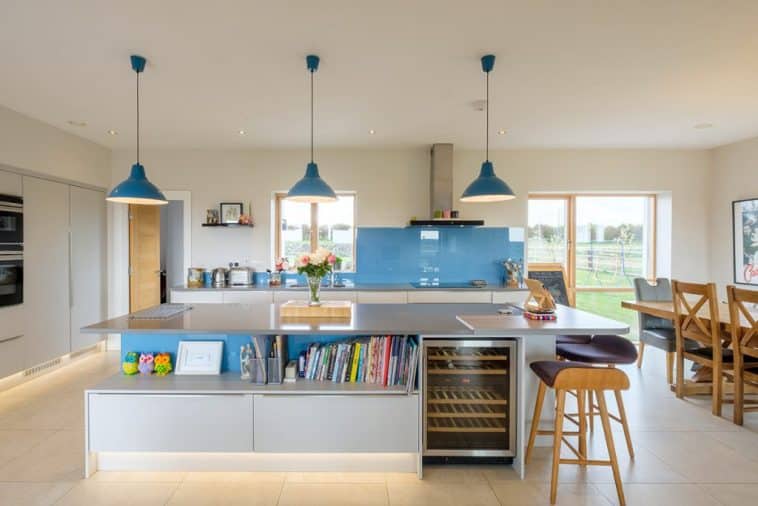
Kitchens, always a danger zone for overspend, saw a basic supply-and-fit rise to £10,000 to £12,000. A bespoke kitchen typically came in around £30,000 and ‘sky’s the limit’ for luxury.
Mechanical and electrical (M&E) works, from heating to ventilation to smart home wiring, started accounting for 20 per cent or more of the total budget. Even a decision as simple as changing all your switch plates say, from standard white to antique brass, could add £7,500+ to your outlay.
Add a main contractor to orchestrate the work, and you’re looking at a minimum 10 per cent surcharge for overhead and profit, plus further preliminary costs.
The new normal
So where are we as of the end of 2025? The once-relentless upward march of prices is, mercifully, behind us. Supply chains have found their rhythm.
Timber and other essentials are more readily available, and in some cases, prices are a touch more competitive – contractors aren’t booked 18 months out, so there’s room for negotiation again. Overall, material and labour costs have stabilised. That said, I’d caution against expecting discounts or a ‘race to the bottom.’ Skilled trades remain in demand, especially for specialist jobs and wage inflation won’t disappear overnight.
Jack Hounsham, founder, Appledown Projects – Principal Contracting and Construction Management company.